





Why Rainwater Reigns Supreme
Before diving into the challenges, it’s worth remembering why you’re even bothering. What makes rainwater so much better than what comes out of the tap? It’s not just about being “natural.” Tap water is treated for human consumption, often containing
chlorine and fluoride, which can build up in plant soil over time and cause stress. Furthermore, municipal water is typically alkaline. Rainwater, on the other hand, is naturally soft, slightly acidic, and free of these additives. This acidity helps release micronutrients in the soil like zinc, manganese, and iron, making them more available for your plants to absorb. It also contains nitrates from the atmosphere—a gentle, free dose of the most essential nutrient for leafy growth. In short, giving your plants rainwater is like switching them from a diet of processed food to fresh, organic meals.
The Collection Conundrum
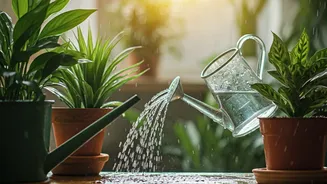
Okay, so rainwater is liquid gold. How do you get it when you can’t just put your pots out on a sprawling lawn? This is the first hurdle for balcony gardeners. The most straightforward method is placing a few buckets or large plastic tubs on your balcony before a storm. To keep mosquitoes from turning your new reservoir into a nursery, use it within a day or two, or get a container with a lid. For a more elegant solution, consider a small, decorative rain barrel designed for patios—some even come with a planter on top. If your space is truly tight, you can even direct a rain chain from a strategic runoff point (if your balcony has one) into a smaller, more manageable vessel like a large watering can or a narrow storage container that can be tucked into a corner. The goal isn't to capture every drop, but to collect enough for a few good waterings.
The Drainage Dilemma
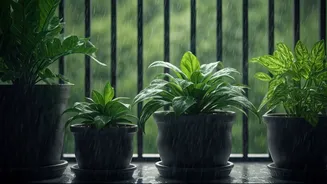
Here’s where “balconies have other plans” really comes into play. In a garden, excess water just soaks into the earth. On a balcony, it drips, pools, and runs—often onto your downstairs neighbor’s patio furniture. This is the fastest way to strain neighborly relations. Putting your plants directly in the rain is often a non-starter unless you have impeccable drainage. Even when watering by hand with your collected rainwater, you need a strategy. The best defense is a good offense: use deep saucers under every pot. For extra protection, consider placing your pots directly in larger, decorative, non-draining containers (a technique called “cache-potting”). You can then remove the inner pot after watering and empty any excess from the outer one. Plant stands with built-in trays and absorbent coir-fiber mats can also help catch drips and prevent muddy runoff from staining your balcony floor.
Weight, Wind, and Rules
Water is heavy. A 5-gallon bucket of it weighs about 40 pounds. Add that to the weight of your pots, soil, and furniture, and you could be pushing your balcony’s load limit. Always be mindful of how much weight you’re adding. Opt for lightweight fiberglass or plastic pots over heavy ceramic or concrete ones, and use high-quality potting mix that retains moisture without becoming waterlogged and dense. Before you invest in a large rainwater collection system, check your lease or HOA bylaws. Many have specific rules about what can be stored on a balcony and may have restrictions related to weight or potential water damage. Wind is another factor; a top-heavy pot on a high-rise balcony can become a dangerous projectile. Ensure your plants, especially taller ones, are secure and sheltered from strong gusts.