





The Unintended Price of Paradise
Imagine a mountain town so choked with traffic that the journey takes longer than the vacation feels. Picture a pristine beach littered with plastic bottles left behind by weekend crowds. This isn't a dystopian fantasy; it's the reality of 'overtourism'
in some of India's most beloved destinations. For years, the explosion of India's middle class meant that spots like Shimla in the Himalayas or the beaches of Goa became symbols of accessible aspiration. But this success came at a cost. Unregulated construction turned serene hillsides into concrete jungles, local water sources were strained to their breaking point, and the very natural beauty that drew people in was being eroded by the sheer volume of visitors. This model of tourism—focused on volume, checklists, and getting the perfect photo without considering the impact—created what industry insiders call 'tourist hotspots' that were burning out.
Enter the New Indian Traveler
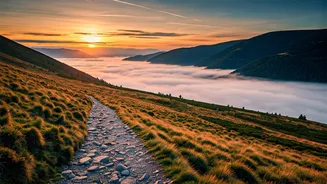
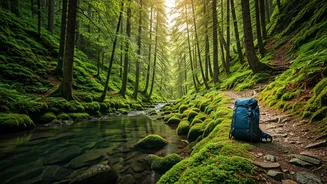
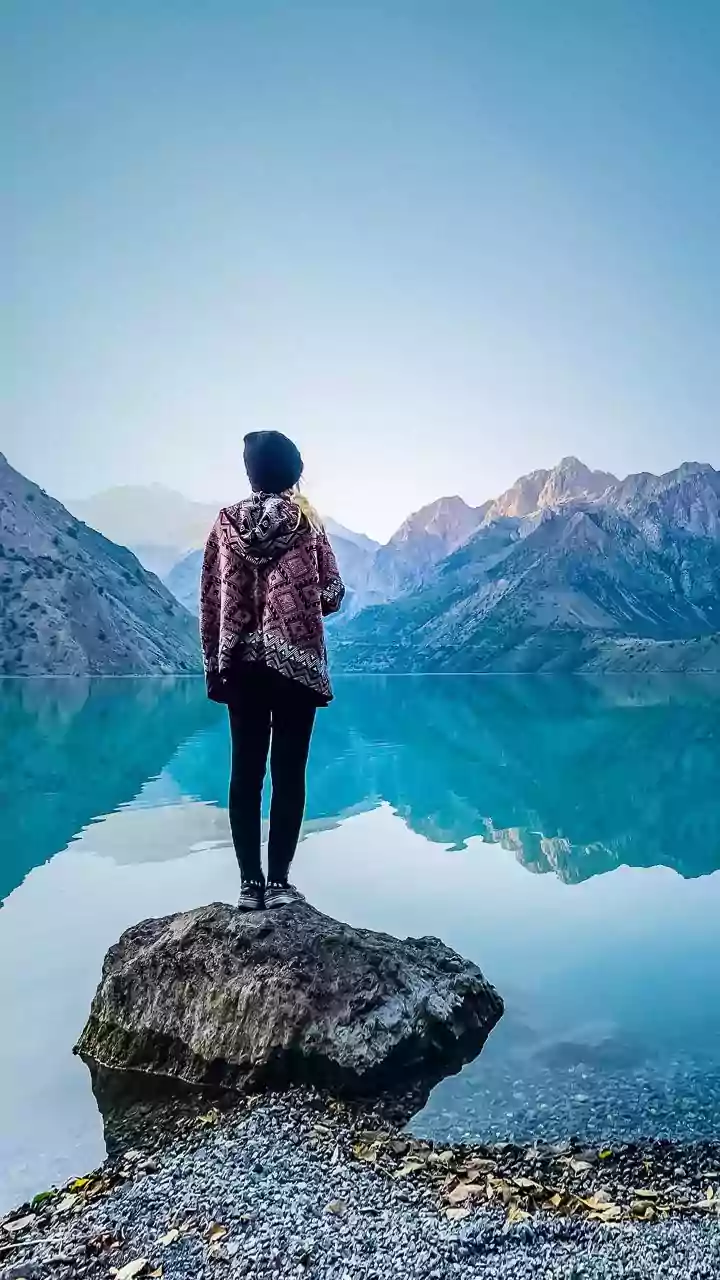
The new wave of young Indian travelers, largely millennials and Gen Z, looks at that picture and wants something else entirely. Armed with disposable income, internet access, and a global perspective, they aren't just consumers of travel; they are curators of experiences. They are swapping crowded, mainstream hotels for boutique homestays in remote villages. They're trading a frantic, five-cities-in-five-days itinerary for 'slow travel'—spending a week in one place to soak in the local culture, food, and rhythms. This isn't about roughing it. It's about value, redefined. Value is no longer just about the cheapest deal but about authenticity, meaningful connection, and personal enrichment. They want to learn pottery from a local artisan, hike a trail known only to villagers, or work from a cabin with a mountain view—a 'workation' that blends productivity with escape. This is travel as a form of identity-building, not just a vacation.
The Twin Engines of Change
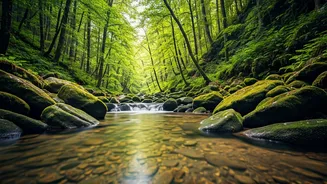
Two powerful forces are driving this shift: technology and a growing environmental consciousness. The internet, particularly Instagram and travel blogs, broke the monopoly of traditional travel agents. Suddenly, a hidden waterfall in Meghalaya or a quiet corner of the Kerala backwaters could become more desirable than the Taj Mahal for a second- or third-time traveler. It democratized discovery, allowing people to bypass the overrun 'must-see' list. Simultaneously, this generation is acutely aware of the world's climate crisis. They see the news reports of landslides in the Himalayas, worsened by deforestation and irresponsible construction, and they connect the dots. They grew up with recycling programs and global warming documentaries. For many, choosing a sustainable trip—one that supports local communities and minimizes environmental harm—isn't a niche preference; it's a moral and aesthetic choice. It feels better, and it looks better on their social media feeds, to be a conscious traveler.
A Market in Transformation
The market is scrambling to keep up. The post-pandemic 'revenge travel' boom supercharged this trend. After years of lockdown, Indians didn't just want to go anywhere; they wanted to go somewhere meaningful. This has fueled a surge in eco-resorts, farm-to-table retreats, and community-based tourism projects. Startups are emerging that specialize in curated, off-the-beaten-path itineraries focused on wellness, adventure, or cultural immersion. Even major players like Airbnb are seeing massive growth in India by offering unique stays that cater to this desire for authenticity. This isn't just about a few idealists; it’s a powerful economic current. When a demographic as large and upwardly mobile as India's youth changes its spending habits, entire industries are forced to evolve or become obsolete.