


A World Within a World
Tucked away in the remote northeastern corner of India’s Himachal Pradesh state, Spiti Valley is a high-altitude cold desert that borders Tibet. For most of the year, it’s a realm of snow and silence, cut off from the outside world by impassable mountain
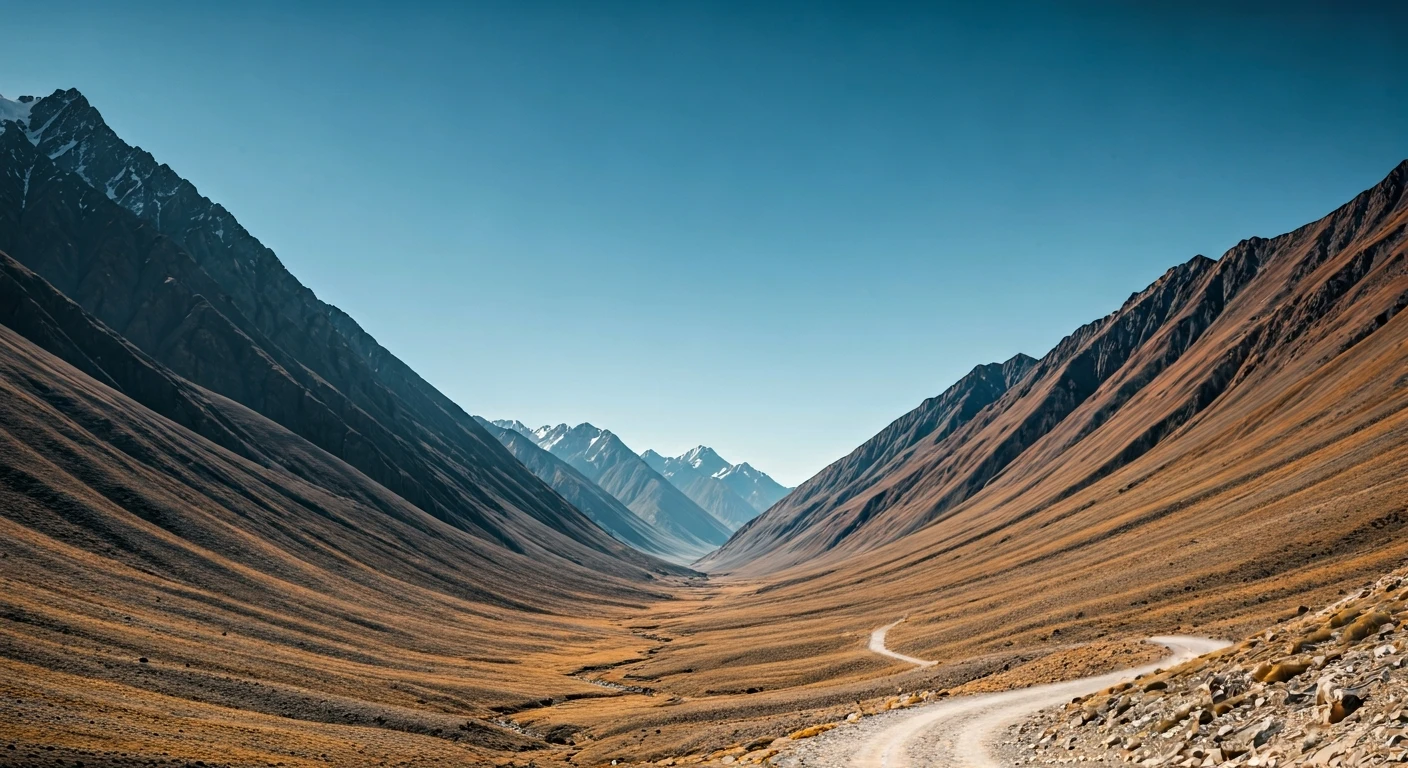
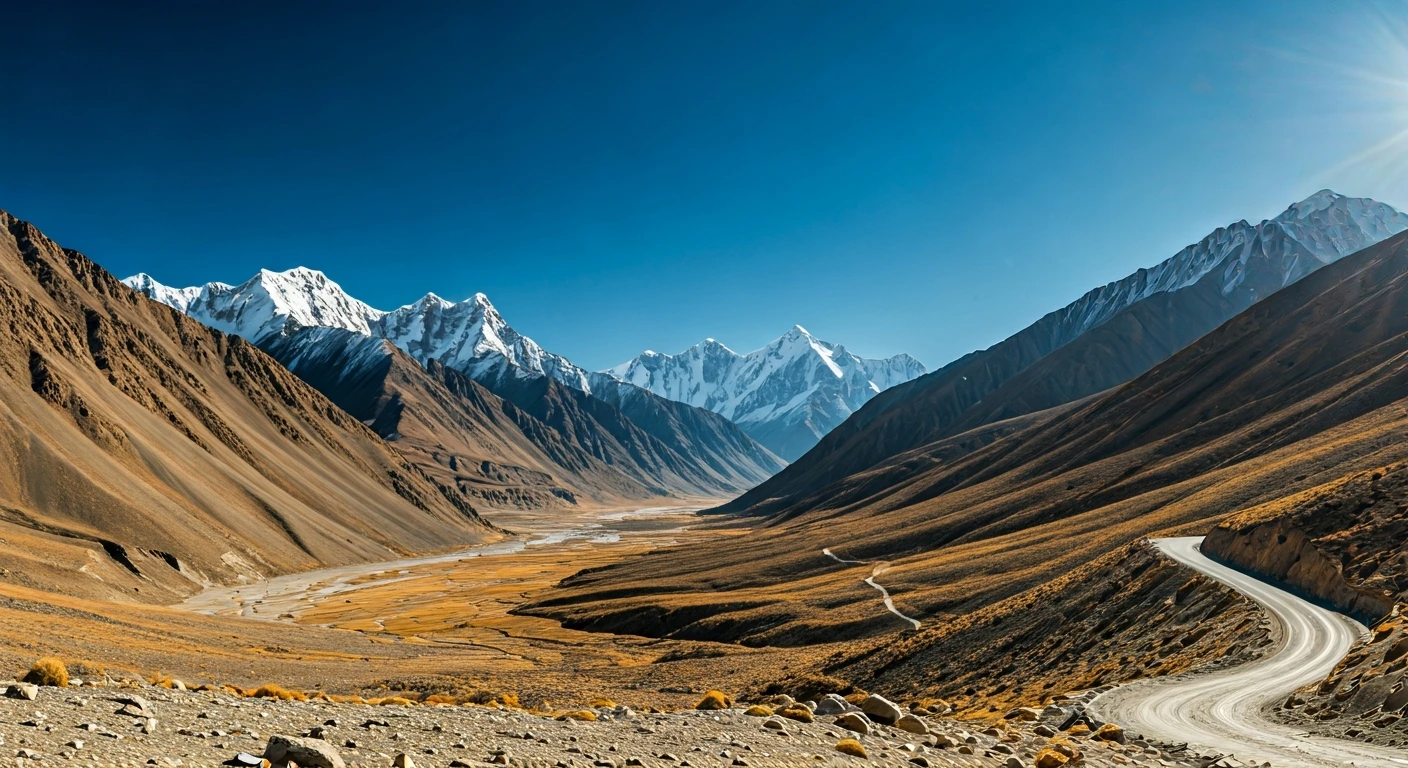
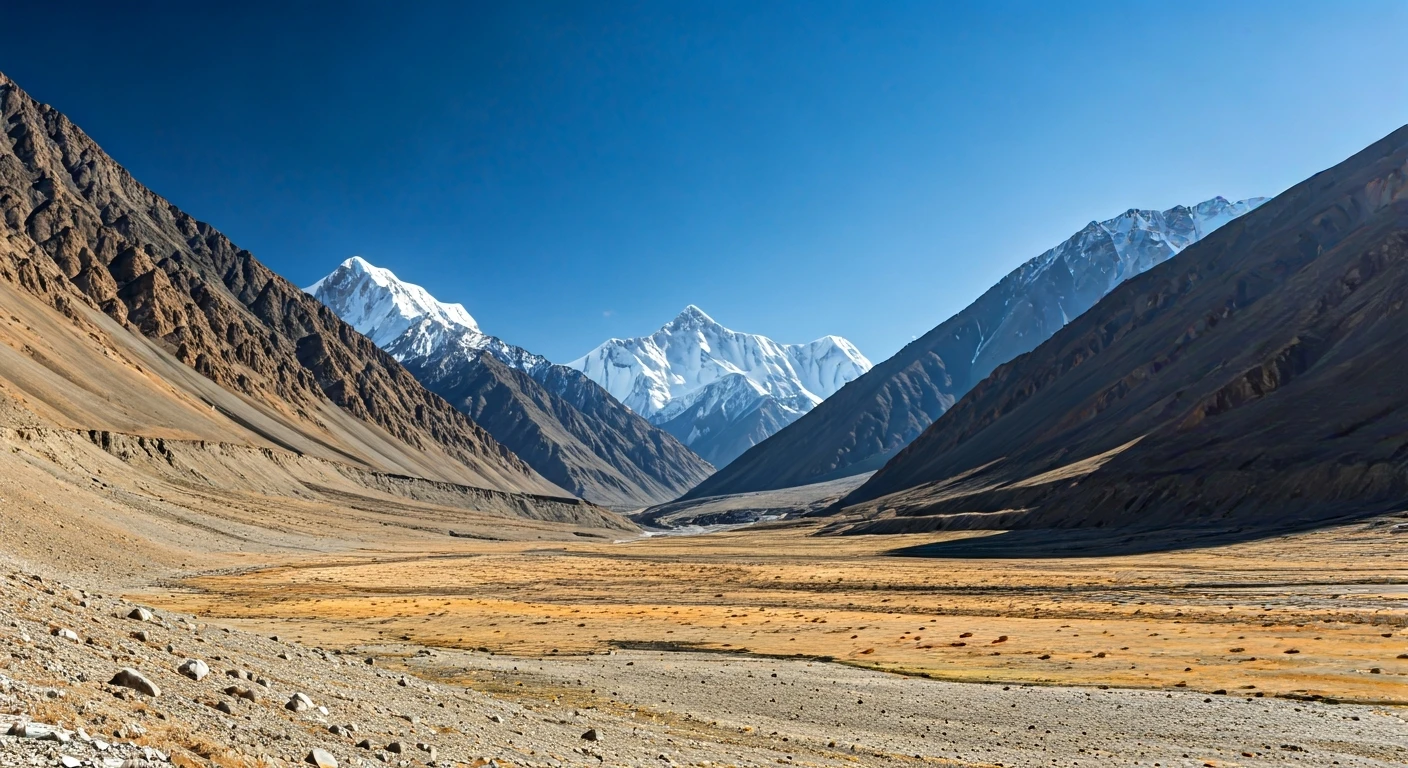
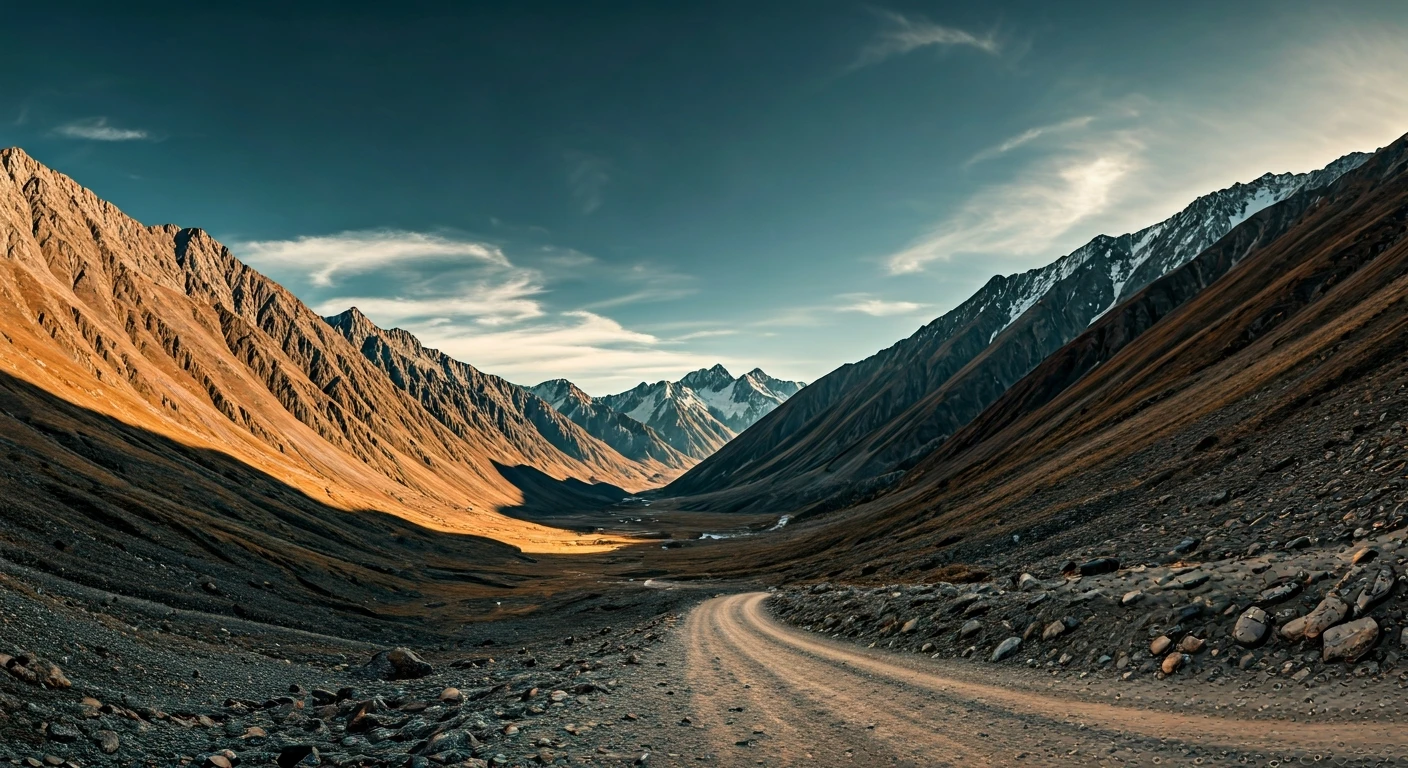
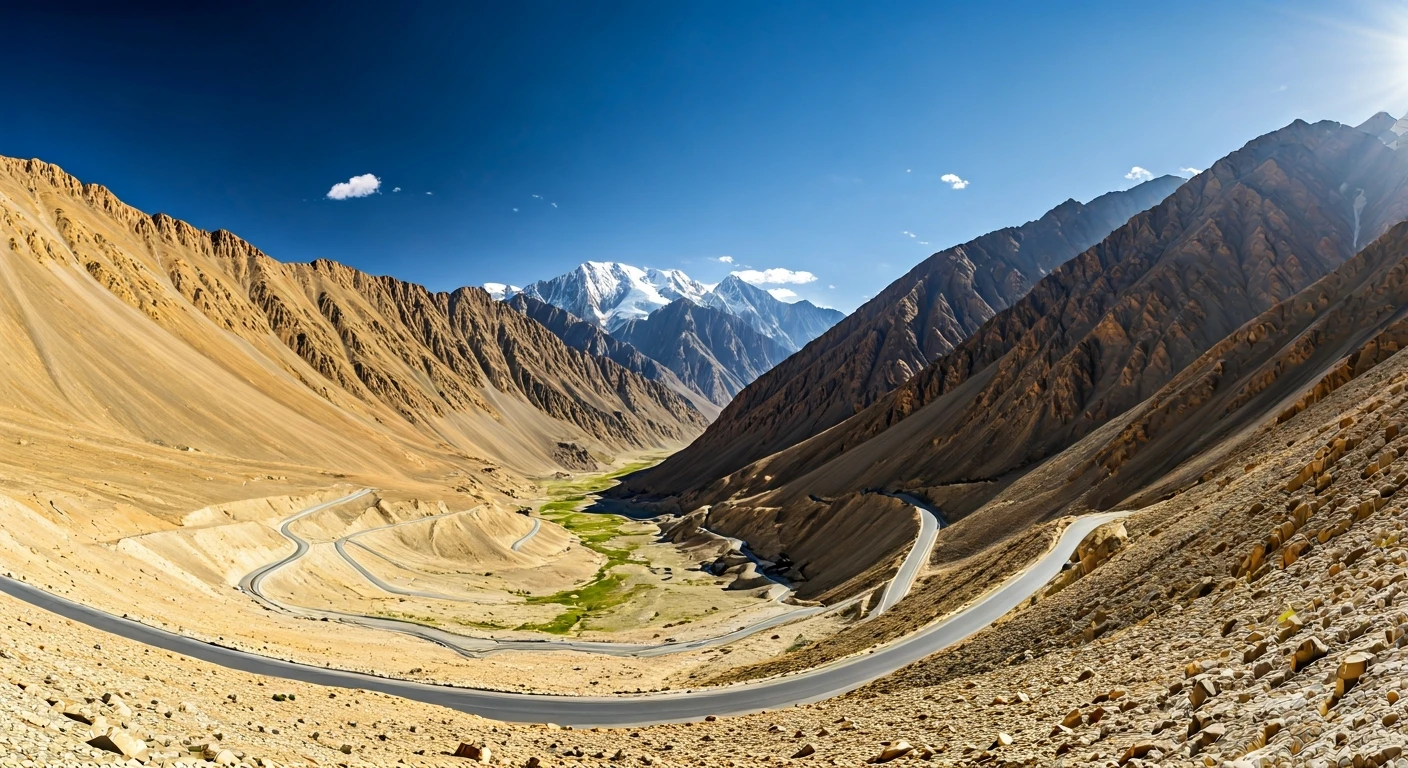
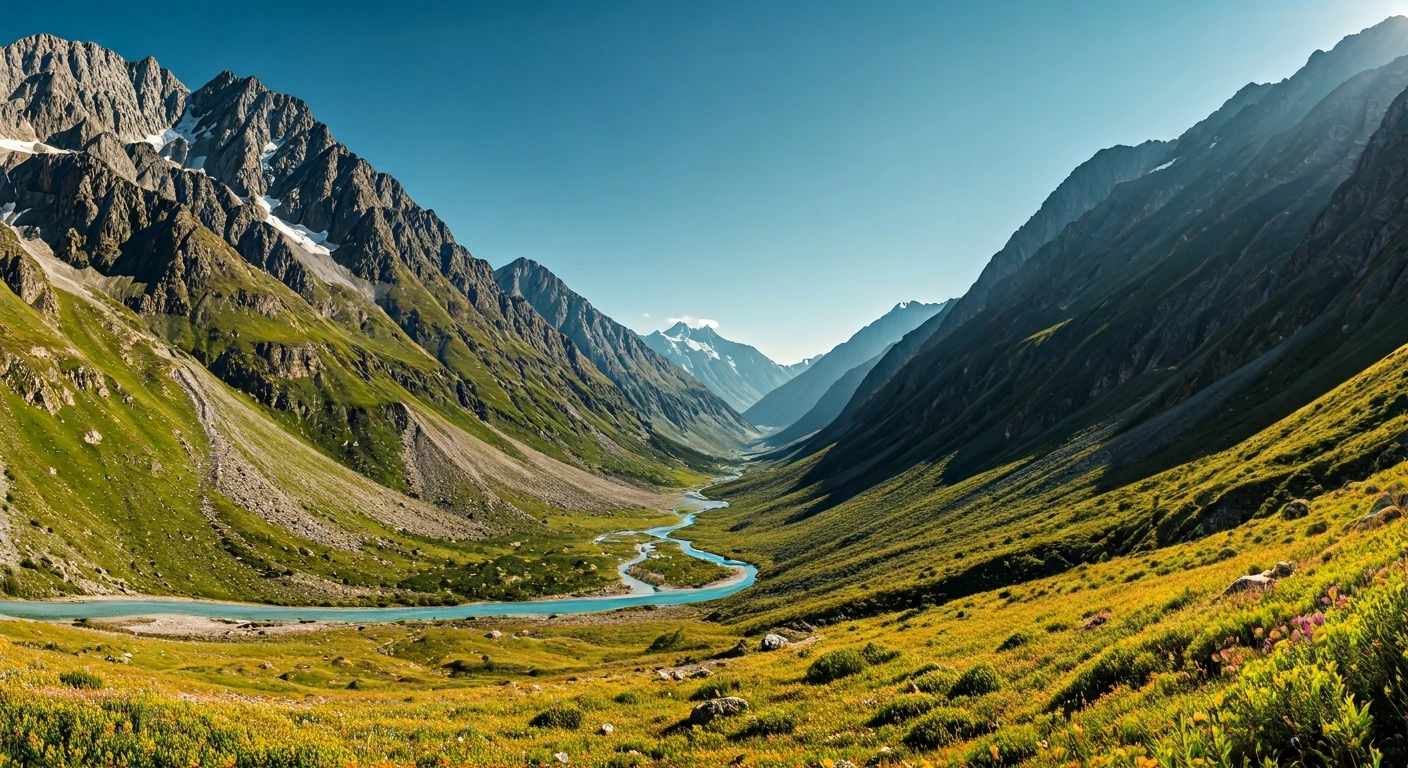
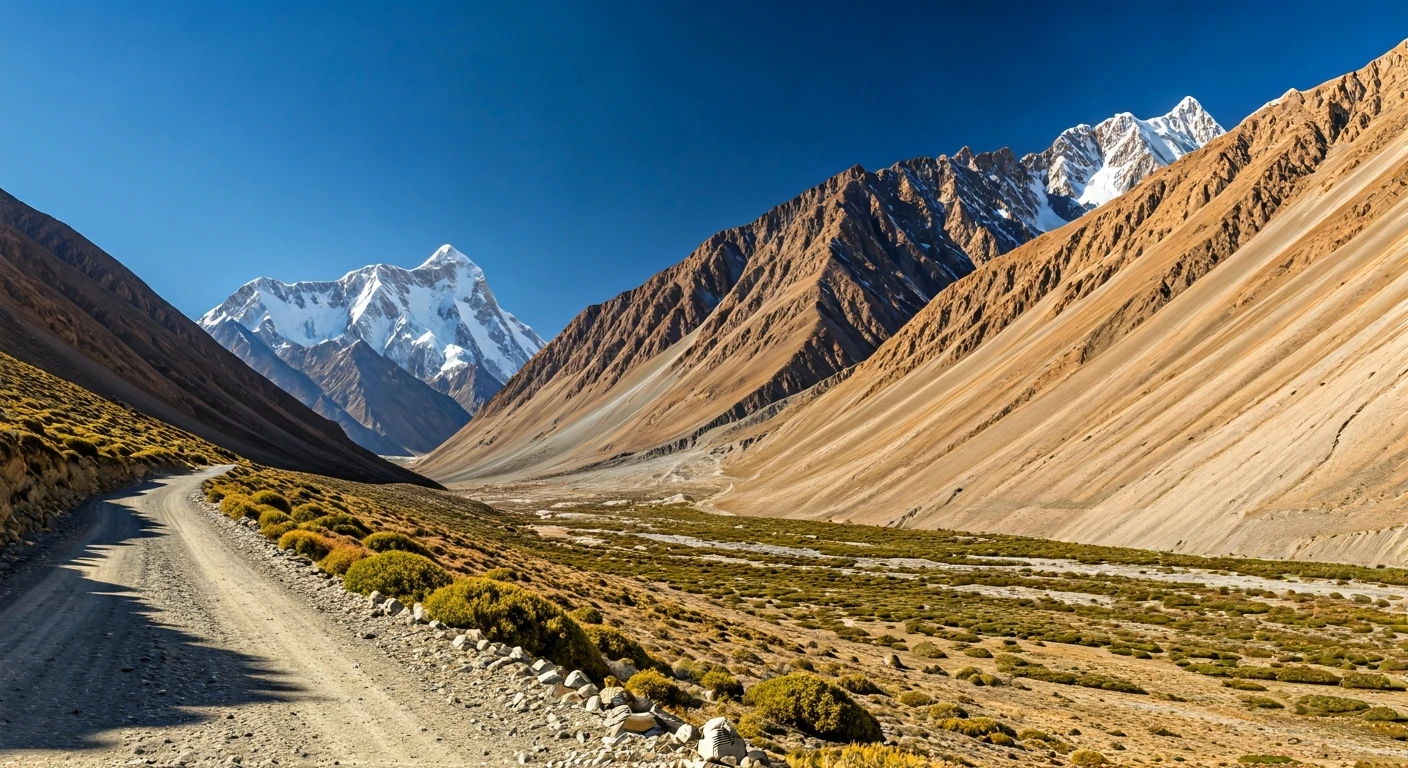
passes. But from late May to September, the snow melts, the roads open, and Spiti reveals its raw, staggering beauty. This isn't the lush, green Himalayas you might picture. This is a landscape of barren brown mountains, sculpted by wind and ice into surreal shapes. The Spiti River carves a turquoise ribbon through the valley floor, nourishing small patches of green barley fields and villages that seem to grow organically from the earth. The air is thin, crisp, and so clear that the colors—the deep blue of the sky, the ochre of the rock, the white of distant peaks—are almost painfully intense. To travel here is to feel like you’ve stepped onto a different planet, or perhaps back in time.
The Monastery Trail
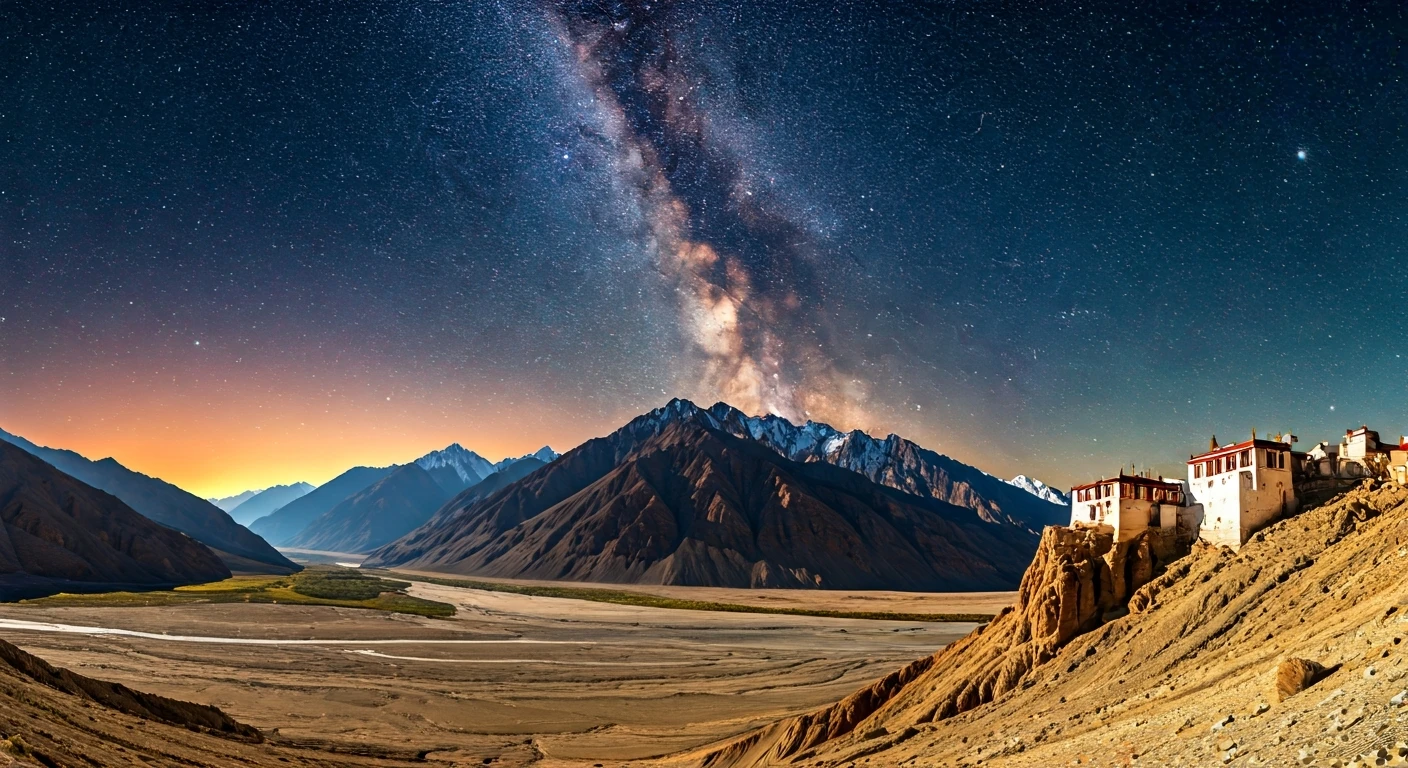
The soul of Spiti resides in its ancient Buddhist monasteries, which cling to cliffsides and crown hilltops like fortresses of faith. The most famous is Key (or Kye) Gompa, a labyrinthine complex of rooms and corridors that cascades down a conical hill, looking like something out of a fantasy novel. Home to hundreds of lamas, its prayer halls are filled with the scent of butter lamps and the echoes of chanting. Then there’s Tabo Monastery, a UNESCO World Heritage site known as the 'Ajanta of the Himalayas.' From the outside, it’s a simple collection of mud-brick structures. Inside, its walls are covered with exquisite 1,000-year-old murals and frescoes depicting Buddhist pantheons in stunning detail. And for the adventurous, the trek to Dhankar Monastery, perched precariously on a 1,000-foot spur overlooking the confluence of the Spiti and Pin rivers, offers one of the most dramatic views in the entire Himalayan range. These aren't just tourist sites; they are living, breathing centers of a resilient Tibetan Buddhist culture.
The Journey Is the Destination
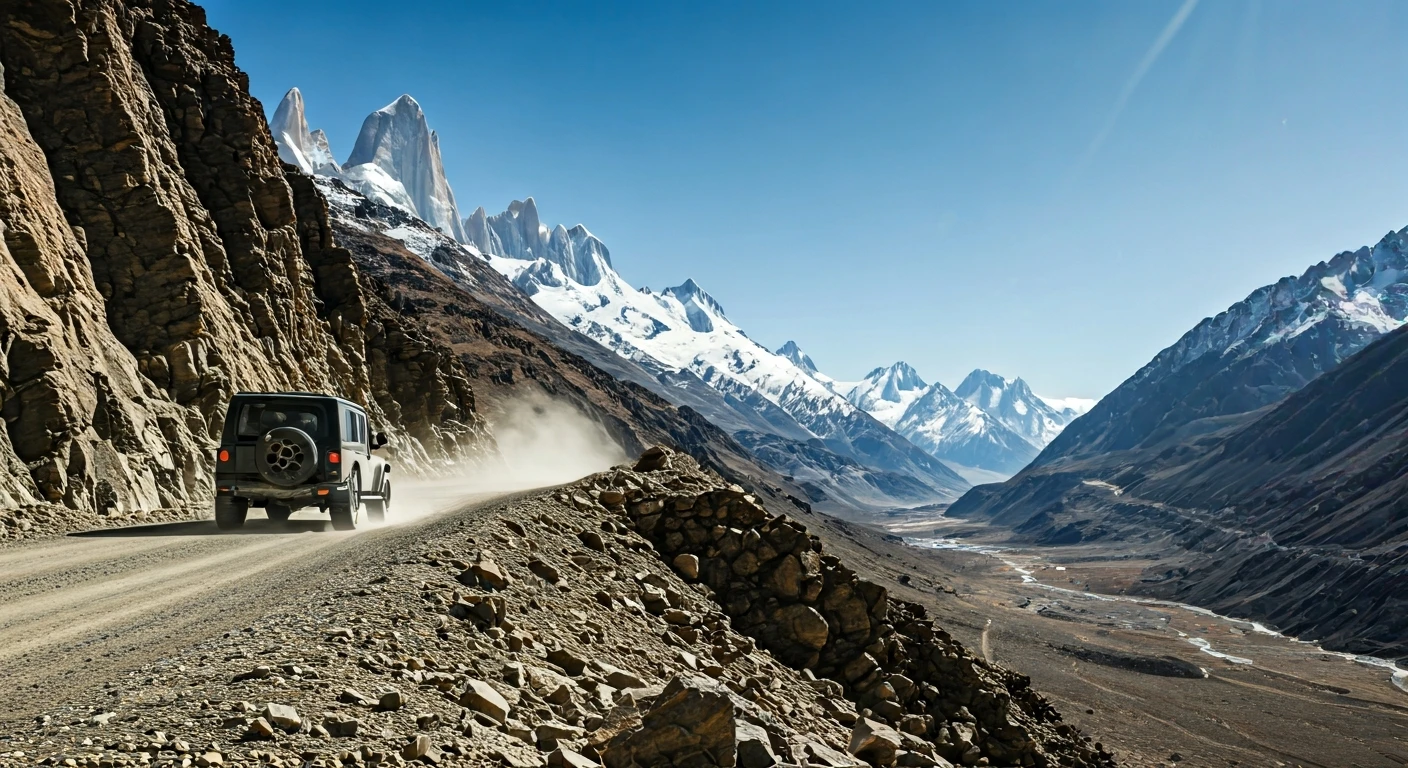
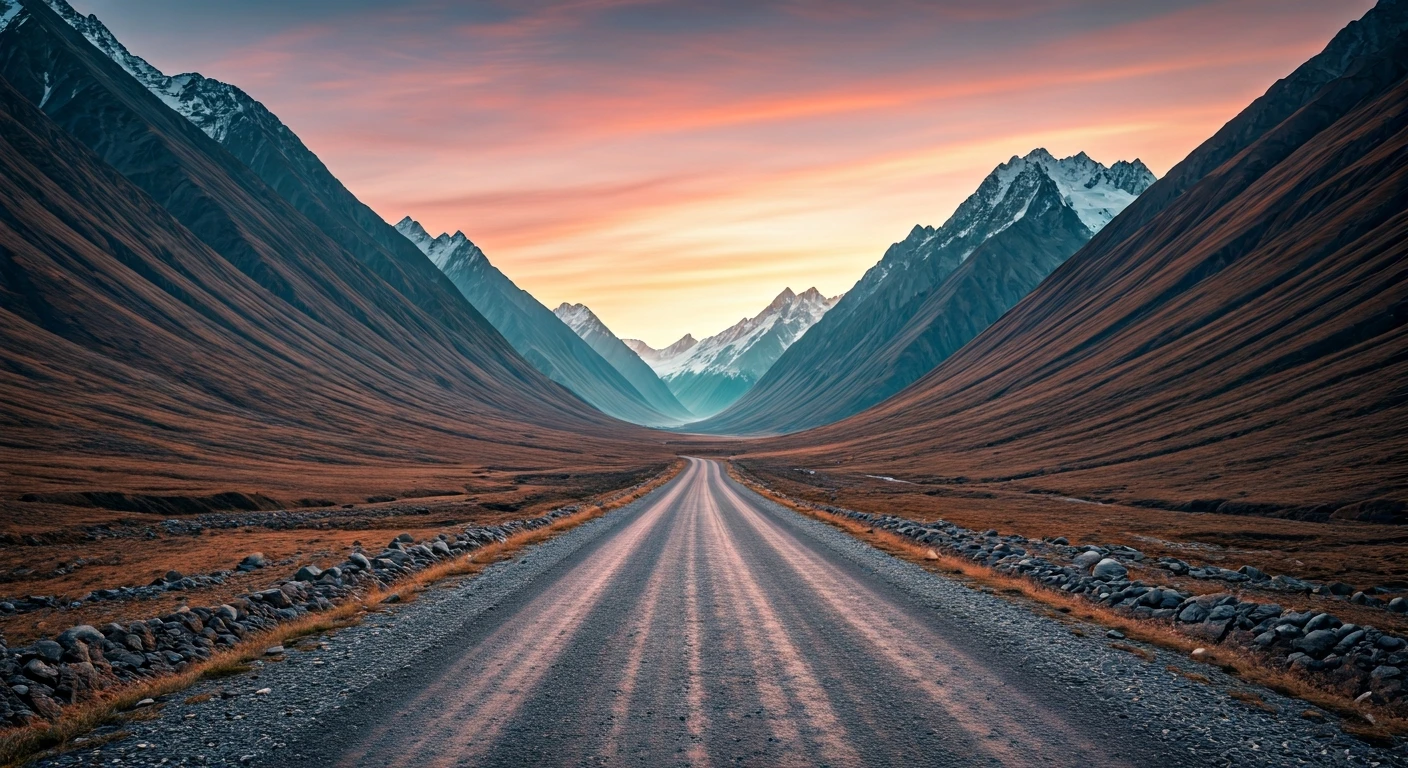
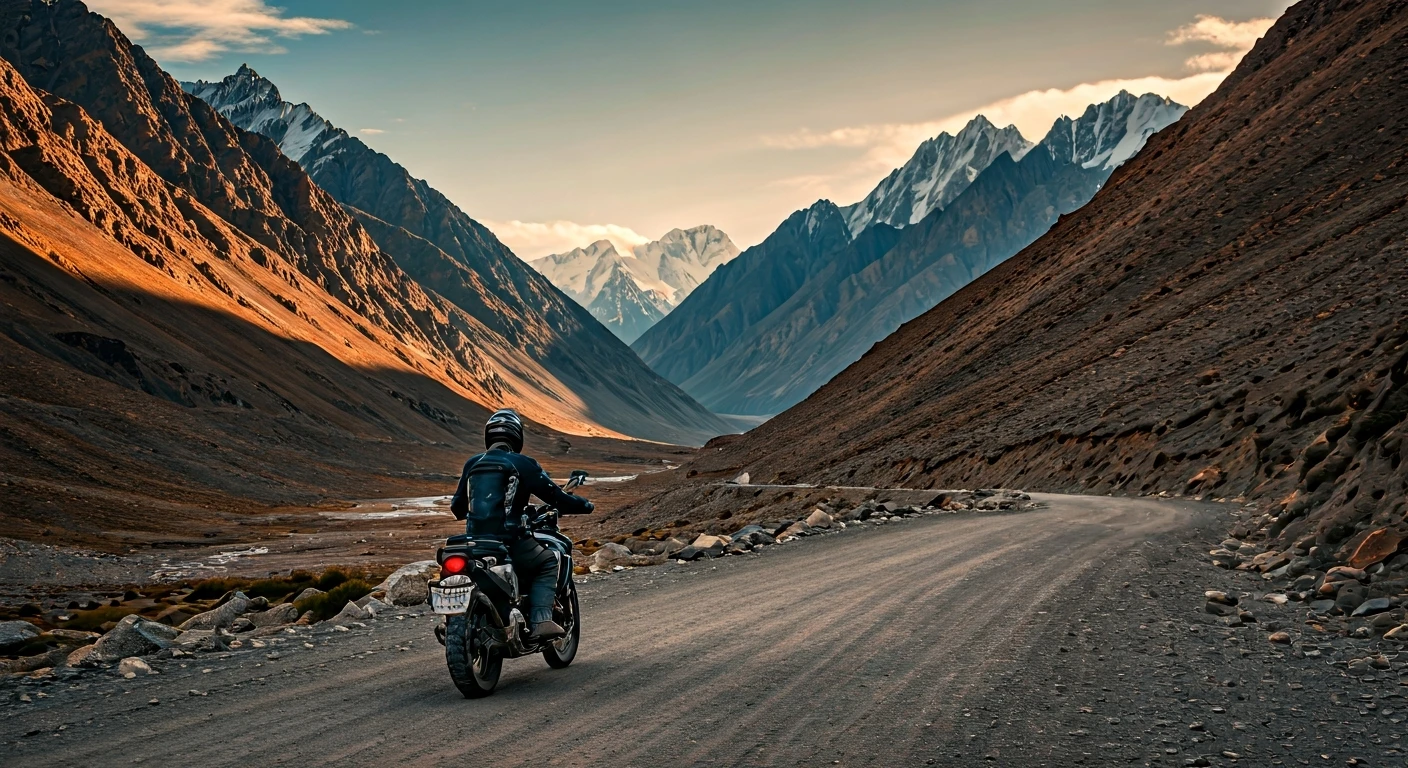
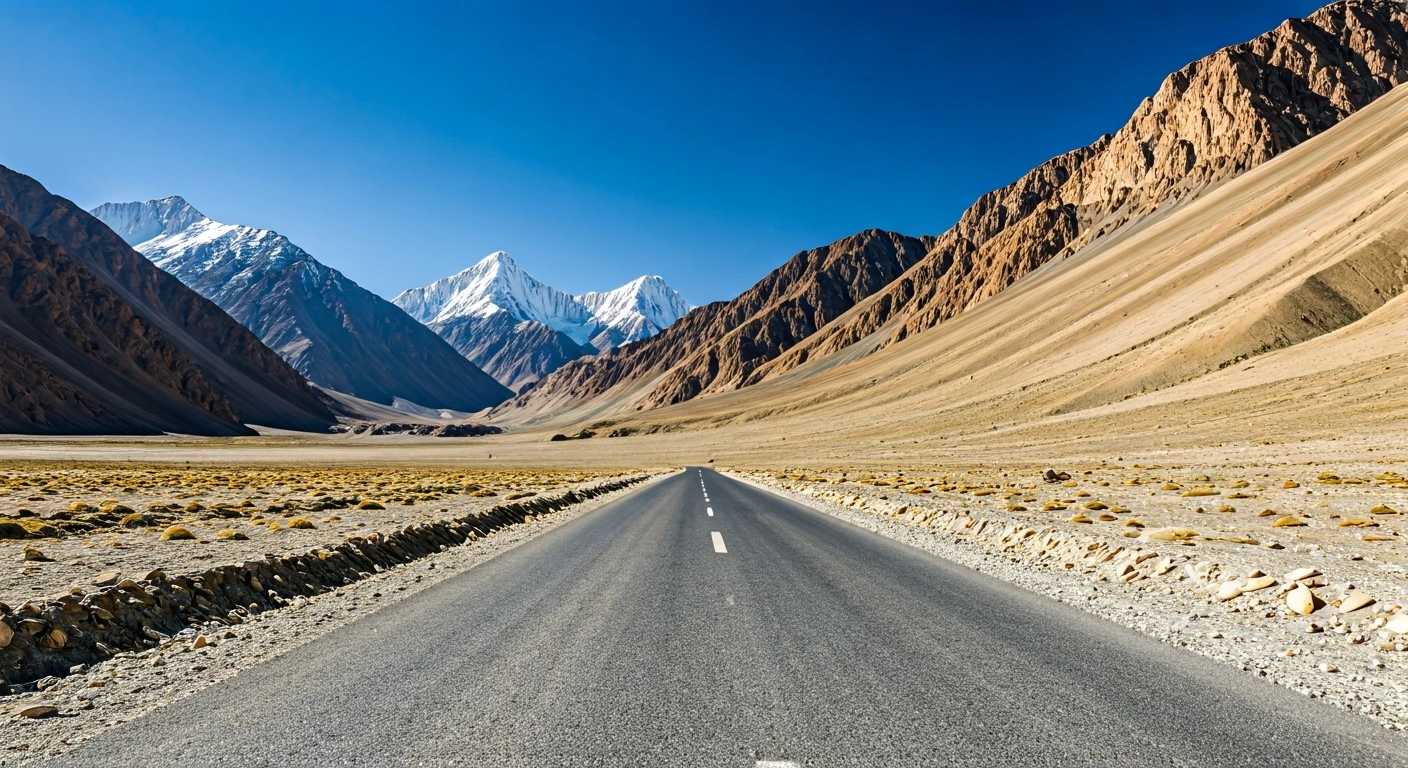
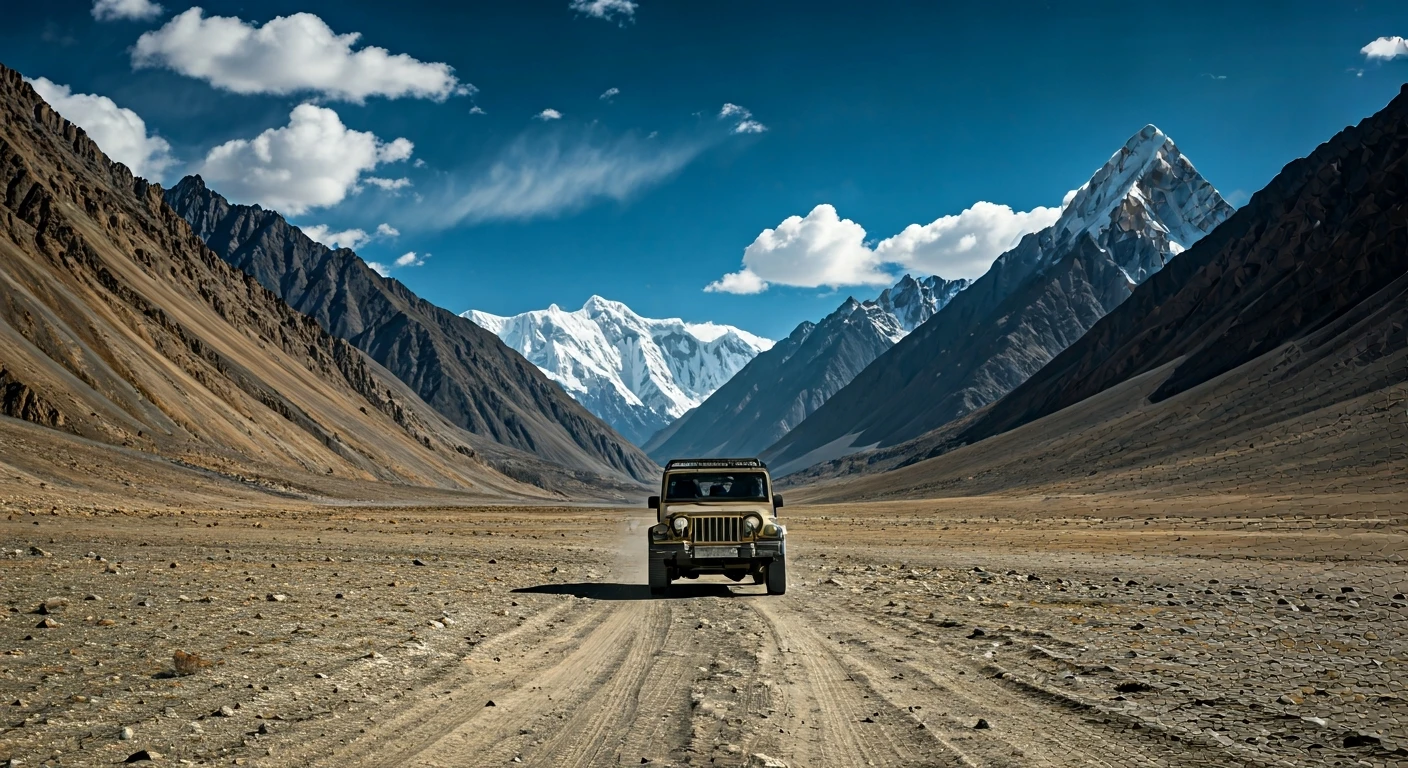
Getting to Spiti is an adventure in itself, and frankly, a key part of its appeal. The Hindustan-Tibet Highway, often called one of the most treacherous roads in the world, is a marvel of engineering that winds its way through rocky gorges and past dizzying drops. The alternative route from Manali crosses two formidable passes: Rohtang and Kunzum La, the latter sitting at over 14,900 feet. The drive is slow, bumpy, and not for the faint of heart, but the rewards are constant. Every turn reveals a new, mind-blowing vista. At night, the absence of light pollution creates a celestial spectacle. The Milky Way isn't a faint smudge; it’s a brilliant, dense band of stars that seems close enough to touch. This is a place where you're reminded of your own smallness in the face of nature's grandeur, and the journey forces a slower, more mindful pace of travel.
Know Before You Go
A trip to Spiti requires preparation. First and foremost is altitude. The valley floor sits at an average elevation of 12,500 feet, which means Acute Mountain Sickness (AMS) is a real risk. The key is to acclimatize slowly. Spend a night or two in a lower-altitude town like Kalpa or Nako before ascending further. Drink plenty of water and avoid overexertion for the first few days. Connectivity is virtually non-existent; consider your trip a digital detox. Accommodations range from simple guesthouses to authentic homestays, where you can share meals with a local family and get a genuine taste of Spitian life—and their delicious momos (dumplings) and thukpa (noodle soup). Pack layers, as daytime temperatures can be pleasant while nights are cold. Most importantly, travel with respect. This is a fragile environment and a deeply traditional culture. Practice responsible tourism by minimizing waste and being considerate of local customs.