


The Six-Dollar Secret Weapon
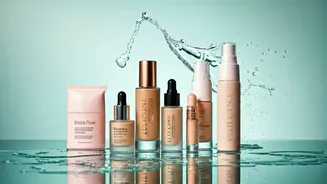
While the headline’s 'Under-₹500' might seem foreign, it translates to one of the best-kept secrets in American drugstores: the under-$10 primer. We’re talking about a price point—roughly six or seven dollars—that feels too good to be true. For years,
the prevailing wisdom was that locking makeup in place required expensive, high-tech formulas from department store counters. But the beauty landscape has changed dramatically. Brands like e.l.f. Cosmetics, with its viral Power Grip Primer, have proven that affordability and high performance can coexist. These aren’t just passable dupes; they are category-defining products that outperform their pricier counterparts. The secret isn’t a luxury ingredient, but rather a deliberate choice of what to leave out. By ditching one common ingredient that many formulas rely on for a 'quick-drying' feel, these budget-friendly heroes create the perfect canvas for makeup that lasts from your morning coffee to your evening commute.
Why Alcohol Can Sabotage Your Makeup
Many primers, especially those marketed as 'mattifying' or 'long-wear,' contain denatured alcohol. On the surface, it makes sense: alcohol evaporates quickly, giving the product a weightless, fast-absorbing feel and leaving skin with an instantly matte finish. It feels like it’s working. But this is a short-term trick with long-term consequences for your makeup’s longevity. When you apply a product with a high alcohol content, it can strip your skin of its natural moisture. Your skin, being the smart organ it is, often reacts to this sudden dryness by overproducing oil to compensate. An hour or two later, you’re dealing with a surge of sebum that breaks down your foundation from below. This cycle of stripping and over-producing oil is the primary culprit behind that dreaded midday makeup slide. Instead of creating a stable base, alcohol-heavy primers can inadvertently create an oil slick that causes your makeup to slip, separate, and fade long before the day is over.
The Magic of a Hydrating, Grippy Base
So, if alcohol is the villain, who is the hero? The answer lies in humectants—ingredients that draw moisture into the skin. Alcohol-free primers swap out the stripping agents for hydrating powerhouses like glycerin, hyaluronic acid, and aloe water. Instead of drying out the skin, these ingredients create a plump, hydrated, and slightly tacky canvas. That 'tacky' feeling is the key. It’s not sticky or uncomfortable; it’s a microscopic grip that literally holds onto your foundation, locking it in place. Think of it like double-sided tape for your face. A well-hydrated face doesn’t need to go into oil-production overdrive, so your skin remains balanced throughout the day. Your foundation applies more smoothly over this plump surface and, most importantly, it stays put. It won’t settle into fine lines or separate around your nose because the base it’s sitting on is stable, moisturized, and grippy.
How to Get the Most From Your Primer
Using an alcohol-free, grippy primer correctly can elevate its performance from good to game-changing. First, less is more. A pea-sized amount is usually sufficient for the entire face. Over-applying can cause pilling when you add foundation. Second, application technique matters. Warm the product between your fingertips and gently press or pat it into your skin, concentrating on areas where makeup tends to break down first, like the T-zone. Avoid rubbing it in like a moisturizer; the patting motion helps create that even, tacky layer. Finally, and most crucially, give it a minute. You must let the primer set for at least 60 seconds until it feels tacky to the touch before you go in with your foundation. This waiting period allows the gripping ingredients to activate and form the perfect adhesive shield. Rushing this step is the most common mistake and will negate the primer’s benefits, so be patient. That one minute of waiting can buy you hours of flawless wear.