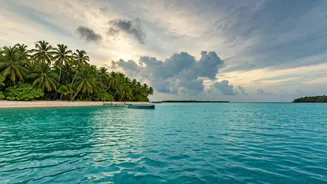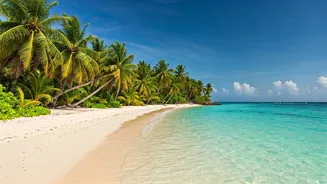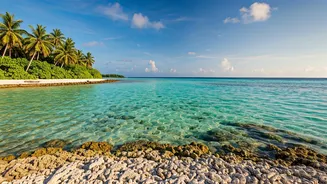




So, What Is Lakshadweep?
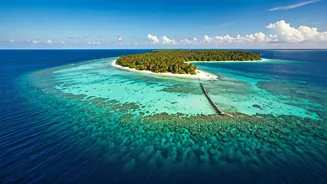
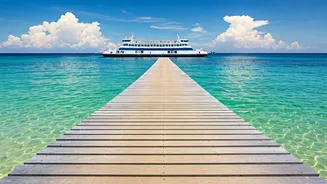
Imagine a string of 36 pearls scattered in the Arabian Sea, about 250 miles off the southwestern coast of India. That’s Lakshadweep. It’s India's smallest Union Territory, an archipelago of atolls, coral reefs, and submerged banks. Until recently, it was
a pristine but relatively obscure destination, known primarily to dedicated divers and Indian travelers seeking a quiet escape. But a recent high-profile push to promote domestic tourism has catapulted it into the global conversation, often framed as a rustic and eco-conscious alternative to the hyper-developed luxury of the Maldives. Only about ten of its islands are inhabited, and access for tourists is tightly controlled to protect its fragile environment, requiring special permits for all visitors, Indian or otherwise.
The Promise of a Pristine Paradise
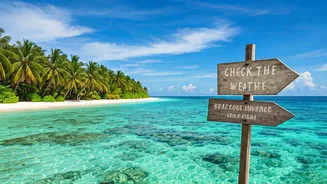
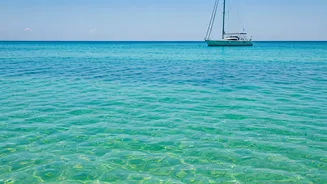
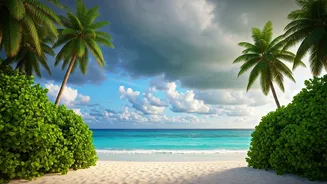
The allure is undeniable. Lakshadweep isn’t about overwater bungalows with private butlers. It’s about simplicity and nature. The main draws are the spectacular lagoons, which act as natural swimming pools teeming with life, and the vibrant coral reefs that make for world-class snorkeling and scuba diving. Islands like Agatti, Bangaram, and Kavaratti offer a vision of the tropics that feels raw and authentic. The culture is a unique blend of South Indian and Arab influences, with a relaxed pace of life dictated by the sea. For travelers weary of commercialized beach destinations, Lakshadweep represents a rare opportunity to experience coastal beauty in a more preserved state.
Enter the Monsoon: The Great Disruptor
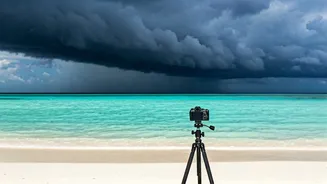
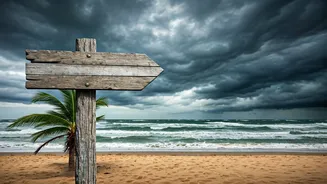
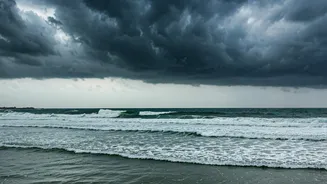
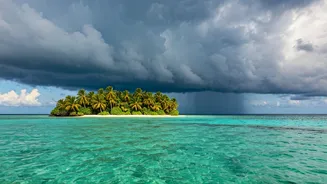
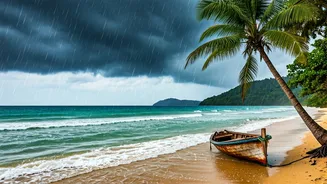
Here's the catch. For nearly half the year, this paradise becomes a fortress of wind and water. The main Southwest Monsoon, which drenches most of India, hammers Lakshadweep from roughly late May to September. This isn’t a case of a few afternoon showers; it’s a season of torrential rain, high-velocity winds, and extremely rough seas. The sky turns a brooding gray, and the calm, glassy lagoons are whipped into a choppy mess. Even after the main monsoon retreats, a secondary Northeast Monsoon can bring unpredictable weather from October to November. The very elements that make the islands beautiful—the vast, open sea—become a force of isolation.
Paradise, Interrupted: Travel and Logistics
The “planning challenge” in the headline is no exaggeration. During the monsoon, Lakshadweep essentially goes into lockdown. The primary mode of transport to the islands, a small airport on Agatti Island and passenger ships from the mainland city of Kochi, becomes highly unreliable. Flights and sailings are frequently canceled due to weather. Inter-island transport, which relies on small ferries and boats, often ceases altogether, potentially leaving you stranded on one island. More importantly, the activities that draw tourists in the first place are impossible. Diving operations are suspended, water sports are forbidden, and the rough seas make swimming unsafe. Resorts and guesthouses often use this period for maintenance, and some shut down entirely. In short, the entire tourism industry grinds to a halt.
A Challenge and a Natural Shield
While the monsoon is a logistical nightmare for tourists and operators, it’s also a critical part of the islands’ ecological rhythm. This forced downtime is a blessing in disguise for the fragile coral reefs, giving them a much-needed break from human activity like boat traffic and diving. The heavy rains replenish the limited freshwater resources on the islands. In a way, the monsoon acts as a natural guard against the pressures of over-tourism. It enforces a period of recovery that more accessible tropical destinations lack, helping to preserve the very pristine environment that makes Lakshadweep so special in the first place. It’s a built-in sustainability mechanism, ensuring the islands can’t be exploited year-round.