






From Personal Metric to Public Sport
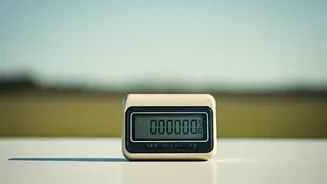
Not long ago, a pedometer was a simple, private tool—a little plastic clip that told you and you alone how active you’d been. The goal was personal improvement. Today, that humble step count is networked, ranked, and broadcasted. Fitness trackers from
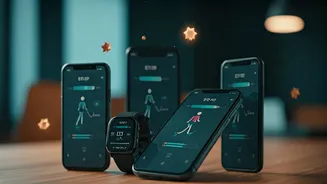
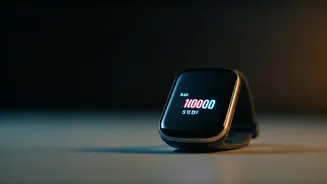
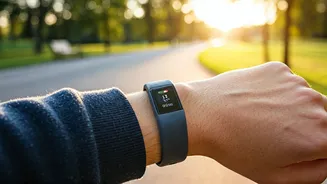
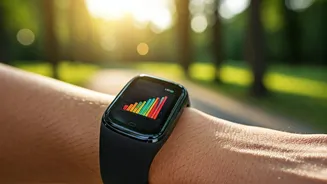
Apple, Fitbit, and Garmin haven’t just gotten sleeker; they’ve become social networks. Features like shared leaderboards, group challenges, and taunting notifications have transformed a solitary health metric into a full-blown digital sport. The competition isn’t confined to marathons or 5Ks anymore. It’s happening 24/7, in the background of our lives—on the walk to the subway, during a trip to the grocery store, and in those late-night laps around the living room to hit the magic 10,000.
The Psychology of the Gamified Walk
Why is this so compelling? It’s all about gamification. Tech companies have masterfully applied the principles of video game design to our daily lives. Each step earns you points. Hitting a goal unlocks a digital badge or a burst of on-screen fireworks. This system taps into our brain's desire for reward and achievement. Psychologists call this extrinsic motivation—the drive to do something for an external reward, like topping a leaderboard or avoiding the shame of being last. It’s incredibly effective for getting people moving, at least initially. The constant feedback loop and social comparison create a powerful incentive to take the stairs, park farther away, or go for that extra walk you might otherwise have skipped. Your health has become a game, and the device on your wrist is the console.
The Bragging Rights Leaderboard
The real engine of this new competition is social pressure. The workplace, once a battleground of spreadsheets and presentations, now has a new arena: the corporate step challenge. Families and friend groups create private competitions where the prize is nothing more than a year’s worth of bragging rights. It starts innocently enough. A little friendly trash talk, a shared sense of purpose. But it quickly establishes a new social hierarchy based on activity levels. Suddenly, you know exactly which of your colleagues is a secret marathon runner and who is more sedentary. This can foster a fun sense of camaraderie and shared motivation. A glance at the leaderboard can be the push you need to get off the couch. The dynamic creates a low-stakes, ongoing contest that makes an otherwise mundane activity feel important and exciting.
When Competition Becomes Compulsion
But there’s a shadow side to this digital Olympiad. When a personal health goal becomes a public performance, it can create anxiety and obsession. The joy of a simple walk can be replaced by the pressure to accumulate points. A low-step day, perhaps due to illness or a busy schedule, can feel like a public failure. For some, this constant tracking leads to compulsive behavior—pacing in circles before bed just to close a ring or feeling genuine stress when a device’s battery dies. The gamification that was once motivating can start to feel like surveillance. Furthermore, focusing solely on one metric, like steps, can obscure the bigger picture of health. It doesn't account for strength training, swimming, or even the importance of rest. The competition can inadvertently turn a tool for wellness into a source of digital-age stress.