


Trading Crowds for Clarity
Let’s be honest about the modern beach vacation. For every serene moment watching the sunset, there are hours spent in bumper-to-bumper traffic, circling for a parking spot, and marking out a tiny patch of sand with your towel amidst a sea of other people.
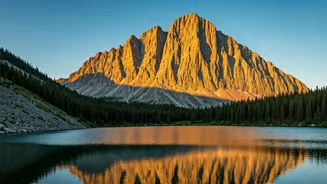
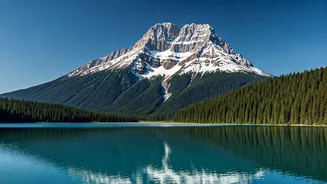
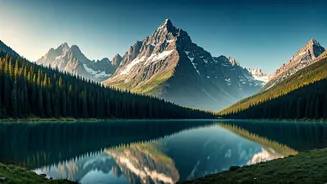
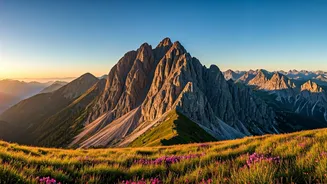
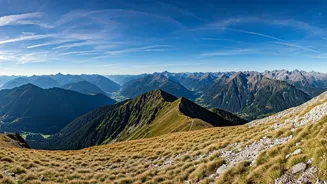
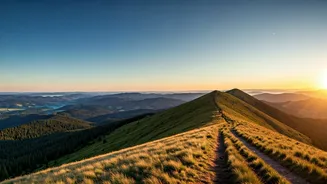
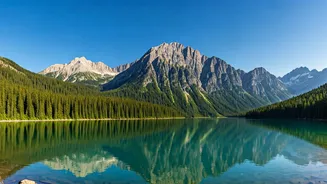
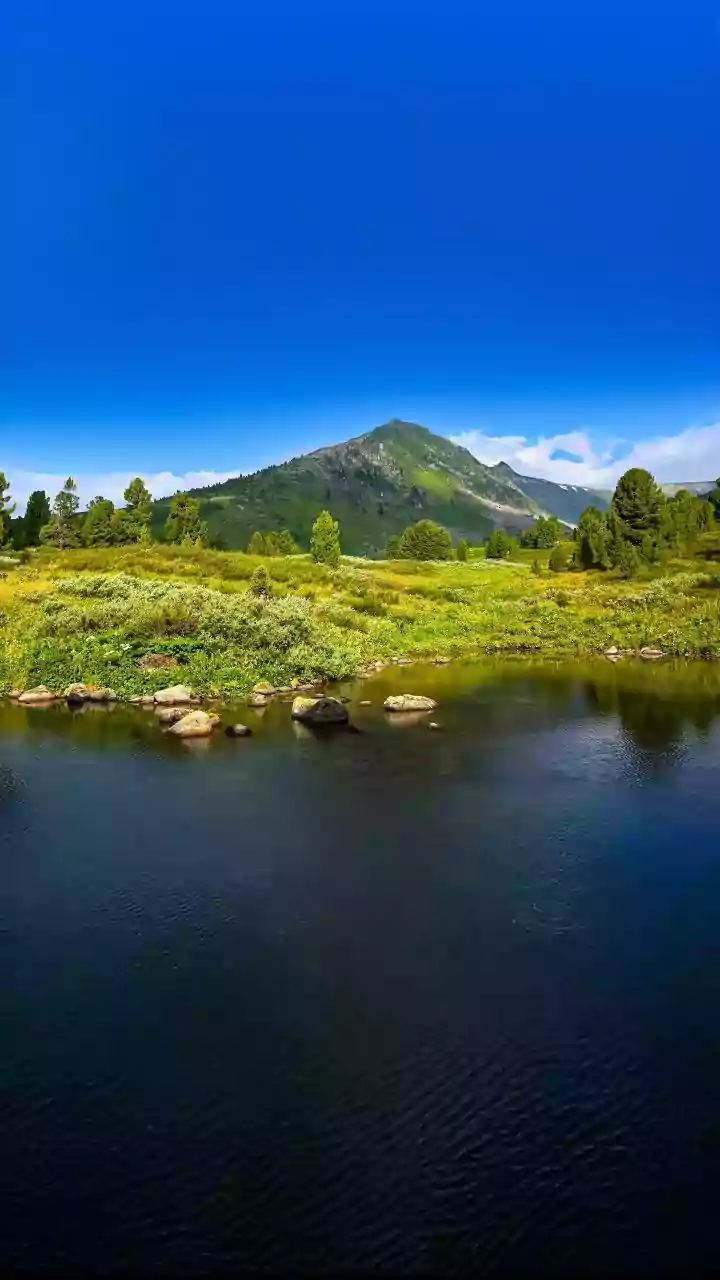
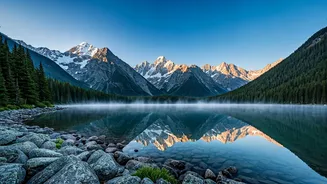
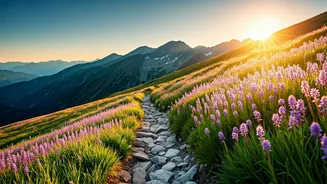
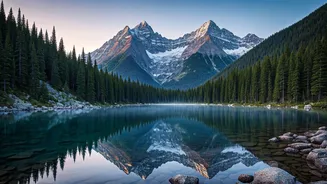
Popular coastal towns can feel less like a getaway and more like a lateral move to a hotter, sandier, and more expensive city. The fight for a dinner reservation, the line at the ice cream shop, the sheer volume of it all can leave you feeling like you need a vacation from your vacation. The mountains, by their very nature, offer a different equation. While popular spots certainly have their visitors, the scale is different. The vastness of a national forest or a mountain range provides a natural form of social distancing. Instead of competing for space, you’re invited to find your own. The goal shifts from being seen to simply seeing—the panorama from a scenic overlook, the dappled light on a forest floor, the reflection of peaks in an alpine lake.
Active Relaxation Over Passive Tanning
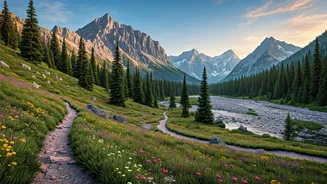
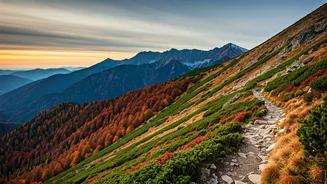
A beach trip often revolves around the noble, but ultimately passive, pursuit of a good tan. You lie down, you bake, you flip, you repeat. It’s relaxation, to be sure, but it’s a sedentary one. A mountain vacation, on the other hand, champions active relaxation. It’s about engaging your body to clear your mind. A vigorous morning hike that ends with a breathtaking view doesn’t just burn calories; it burns off stress, replacing mental chatter with the simple rhythm of your footsteps on the trail. Your reward isn't just a darker skin tone, but a genuine sense of accomplishment and a flood of endorphins. The activities are more varied, too. You can spend your days hiking, mountain biking, fly-fishing in a cool stream, kayaking on a quiet lake, or simply reading a book on a porch where the only sound is the wind in the pines. It’s a restorative experience that leaves you feeling energized, not just sun-drained.
The Ultimate Climate Control
As summer temperatures climb, the appeal of a sweltering beach can quickly fade. The midday sun can become oppressive, driving you indoors or under the fleeting shade of an umbrella. The mountains offer nature’s air conditioning. As you gain elevation, the temperature drops, providing a welcome respite from the humid blanket covering much of the country. Days are warm and perfect for adventure, but the nights bring a delicious, refreshing coolness. Instead of cranking the AC, you’re throwing a blanket on the bed or putting on a sweatshirt to sit by a crackling campfire. This diurnal swing is more than just comfortable; it feels elemental and deeply relaxing. You get the best of summer during the day and a cozy, autumn-like preview at night, complete with starry skies unobstructed by city lights.
Finding a Different Vibe
Ultimately, the choice comes down to the kind of reset you’re looking for. Beach towns are built on a certain kind of celebratory energy—boardwalks, nightlife, a vibrant social scene. It’s fun, but it can also be performative. Mountain towns, from the Rockies to the Appalachians, cultivate a different ethos. The vibe is typically more grounded, casual, and connected to the natural world. The ‘dress code’ is hiking boots and a fleece, not the latest resort wear. The focus is less on the scene and more on the scenery. It’s an invitation to unplug, disconnect from the constant pressure to post the perfect beach selfie, and reconnect with something more tangible and awe-inspiring.