





Embrace the Weather, Don't Ignore It
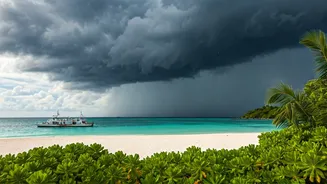
Let’s get the big question out of the way: yes, the Andaman and Nicobar Islands have a dramatic weather system. As a tropical archipelago in the Bay of Bengal, it’s governed by two monsoon cycles. The main one, from May to September, brings heavy rains
and rough seas. A secondary, less intense monsoon can occur from November to December. During these periods, ferry services between islands like Havelock (Swaraj Dweep) and Neil (Shaheed Dweep) can be delayed or canceled, and outdoor activities become a gamble. But this doesn't mean half the year is a write-off. The peak season, from January to April, offers blissful sunshine, calm seas, and perfect conditions for exploring. The key isn't to pretend the weather doesn't exist, but to plan for it. Traveling during the peak season virtually eliminates weather-related stress. If you choose the shoulder months (October, November, or May), you might get cheaper prices and fewer crowds, but you must build buffer days into your itinerary. A ferry cancellation is a minor inconvenience if you have a spare day; it’s a disaster if it makes you miss your flight home.
A Reward Worth the Effort
So why bother with the logistics? Because the Andamans deliver a kind of remote, untouched beauty that’s increasingly rare. This isn’t just another beach destination; it’s an ecological marvel. The islands are home to some of the last remaining virgin rainforests and support a staggering diversity of life.
The beaches are the main draw, and they live up to the hype. Radhanagar Beach on Havelock Island is consistently ranked among the best in Asia, and for good reason. Its wide expanse of powdery white sand is kissed by calm, crystal-clear water and backed by dense tropical forest. There are no noisy water sports, just the gentle lapping of waves. Other beaches, like Elephant Beach, offer a more rugged vibe, while the twin islands of Ross and Smith, connected by a natural sandbar, feel like something out of a dream. This is a place where you can still find a stretch of sand all to yourself.
An Underwater Kingdom Awaits
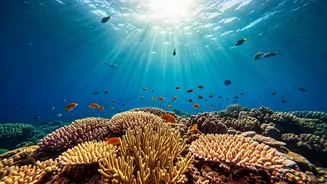
For many visitors, the real magic of the Andamans lies beneath the waves. The archipelago is one of the world's premier destinations for snorkeling and scuba diving, thanks to its vibrant coral reefs that have remained remarkably healthy. The waters teem with life, from playful clownfish hiding in anemones to majestic sea turtles, manta rays, and even the occasional, harmless reef shark. Dive sites around Havelock and Neil islands offer opportunities for all skill levels, from beginner-friendly shore dives to more challenging deep-water explorations of wrecks and coral gardens. Even if you don’t dive, a simple snorkeling mask is your ticket to a dazzling underwater world. In some spots, like near Jolly Buoy Island, you can see brilliant corals and schools of fish just a few feet from the shore. The bioluminescent phytoplankton that sometimes lights up the water at night only adds to the enchantment.
How to Plan Your Trip Smartly
Success in the Andamans is all about smart, proactive planning. First, aim for the dry season (January-April) for the most predictable and pleasant weather. Book flights to Port Blair, the main entry point, well in advance, as prices can spike. The same goes for accommodation, especially on popular islands.
Ferries are the lifelines connecting the islands. Both government and private ferries operate, but private ones are faster and more comfortable. Book these online before you arrive, particularly during peak season, as they sell out. Most importantly, build flexibility into your schedule. Plan for an extra day in Port Blair at the end of your trip to act as a buffer in case of inter-island travel delays. Pack light clothing, swimwear, reef-safe sunscreen, insect repellent, and any essential medications, as pharmacies are limited outside the main town. A waterproof bag for your electronics is also a wise investment, just in case.