
More Than Just Yogurt
When Americans think of fermentation and Indian food, the mind often goes straight to yogurt—the cooling raita served alongside a spicy curry or the base of a sweet mango lassi. It’s a great starting point, but it’s like judging the entirety of American baking
by white bread. Fermentation is a foundational pillar of cuisine across the Indian subcontinent, a thousands-year-old tradition of culinary alchemy that transforms humble ingredients into something spectacular. From the coastal south to the mountains of the north, Indian cooks have mastered the art of using natural yeasts and bacteria to preserve food, enhance flavor, and unlock nutrients. This isn't a new health trend; it’s a deep, living history of resourcefulness and flavor that offers a universe of textures and tastes far beyond what most of us have experienced. These dishes aren’t side characters; they are the bedrock of daily meals for millions.
The Sourdough of the South: Idli & Dosa
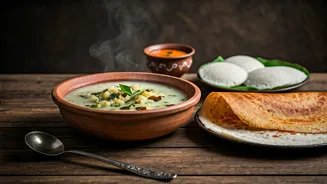
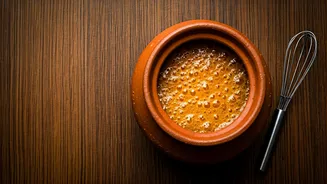
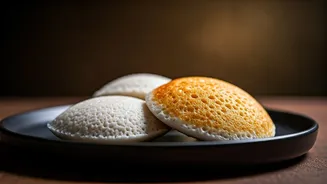
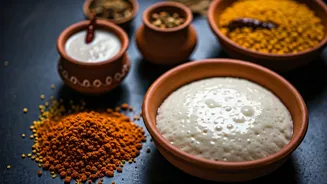
If you’re looking for a gateway into this world, start with the dynamic duo of South India: idli and dosa. Both begin their life as a humble, naturally fermented batter of ground rice and lentils. Much like the sourdough starters that colonized American countertops over the past few years, this batter is left to sit for hours, allowing wild yeasts to work their magic. The result is a tangy, slightly sour, and beautifully complex batter teeming with gut-friendly probiotics. From this single mother batter comes two distinct stars. Idlis are soft, pillowy, steamed cakes—the perfect vehicle for soaking up sambar (a lentil stew) and coconut chutney. They’re light, airy, and deeply comforting. Dosas, on the other hand, are their crispy, dramatic cousins. The same batter is spread thinly on a hot griddle to create a massive, golden-brown crepe with a shatteringly crisp texture and a soft, lacy interior. It’s a breakfast staple that’s spectacular enough for any meal of the day.
The Savory Magic of Dhokla
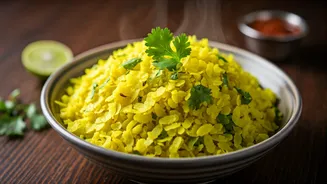
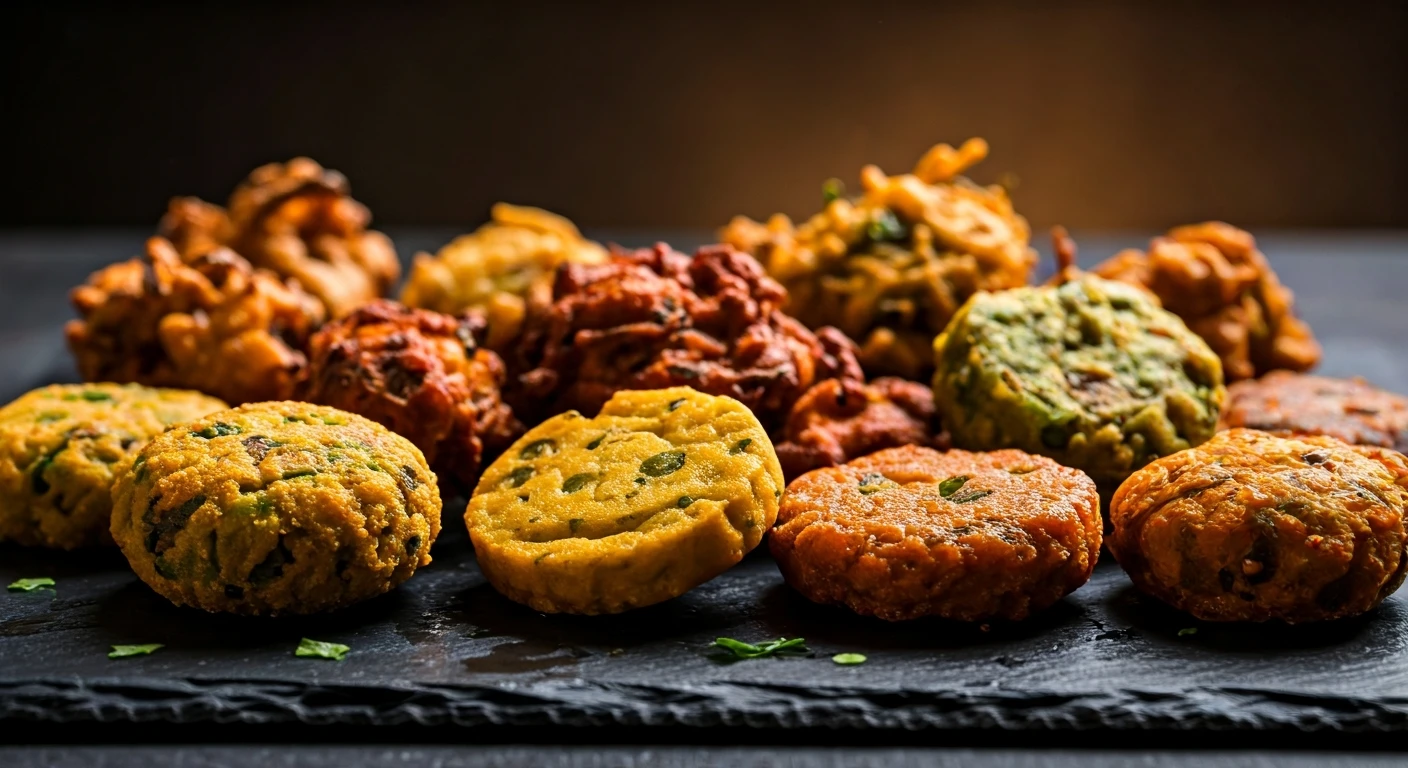
Moving west to the state of Gujarat, we find dhokla, a dish that demonstrates an entirely different facet of Indian fermentation. Made from a fermented batter of chickpea flour (besan), dhokla is a savory, spongy cake that’s steamed to perfection. The fermentation process makes it incredibly light and airy, with a delicate, almost bouncy texture. What truly makes it sing, however, is the finishing touch. Once steamed and cut into cubes, the dhokla is topped with a ‘tadka’—a tempering of hot oil infused with mustard seeds, curry leaves, and green chilies, often with a hint of sugar and lemon juice to create a tantalizing sweet-sour-spicy-savory flavor profile. It’s a snack, a breakfast item, and an appetizer that hits every note on the palate. Dhokla proves that fermentation isn't just about sourness; it's about creating texture and a canvas for complex flavor.
A World of Funky Drinks and Pickles
The rabbit hole of Indian fermentation goes even deeper. Forget expensive, store-bought kombucha; for generations, North Indian households have made kanji in the winter. This pungent, probiotic-rich drink is made by fermenting black carrots (or beets) in water with mustard seeds and spices. The result is a stunning magenta beverage with a sharp, tangy, and deeply savory kick that’s revered as a digestive aid. And then there is the universe of 'achar,' or Indian pickles. While some are made with vinegar, many of the most prized versions are lacto-fermented in salt and their own juices, sometimes with oil acting as a seal. Mangoes, lemons, chilies, and countless other vegetables are transformed over weeks into intensely flavorful, funky, and complex condiments that can electrify a simple meal of rice and dal. This is fermentation as both a science of preservation and an art of flavor.