
From Afterthought to Centerpiece
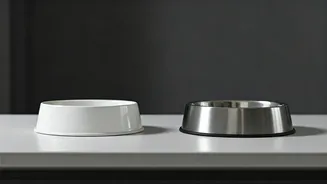
For decades, the pet food bowl was a purely utilitarian object. You had two choices: a stainless steel one that made a racket when your pet was an enthusiastic eater, or a plastic one that inevitably acquired a permanent layer of grime and teeth marks.
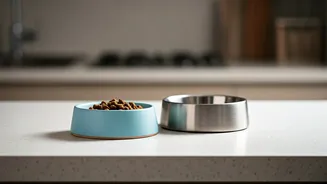
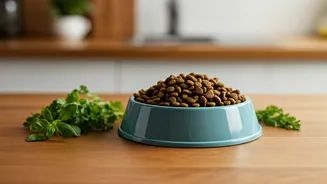
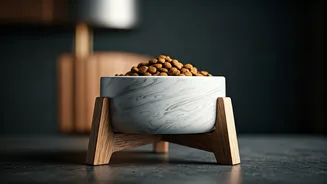
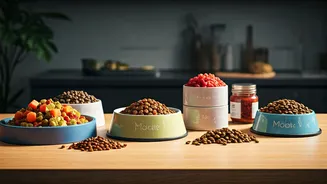
It was an item to be tolerated, not celebrated—something you’d trip over on your way to the coffee maker.But in kitchens and living rooms across America, a quiet revolution is taking place. Pet bowls have become a design object, an accessory that’s as much about complementing a home’s aesthetic as it is about containing kibble. Brands like Fable, Wild One, and Cat Person are marketing feeders that look more at home in a Design Within Reach catalog than a pet supply aisle. We’re talking about minimalist ceramic dishes, sculptural slow-feeders, and elegant wooden stands that elevate bowls to a more ergonomic height. The message is clear: the pet bowl is no longer an eyesore to be hidden, but a deliberate part of your home’s decor.
The Pet Humanization Effect
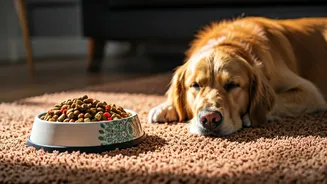
So, why the sudden focus on Fido’s dinnerware? This trend is a direct result of what industry analysts call the “humanization of pets.” More than ever, Americans, particularly Millennials and Gen Z, view their pets not just as animals, but as family members—or, in the parlance of the internet, as their “fur babies.” This emotional shift has a massive financial upside for the pet industry.According to the American Pet Products Association, Americans spent over $136 billion on their pets in 2022. That spending isn’t just on necessities; it’s on premium food, elaborate toys, subscription boxes, and, yes, high-end accessories. When you see your dog or cat as a cherished member of the household, you’re more likely to invest in their comfort, health, and happiness. A beautifully designed bowl is an extension of that impulse. It’s a way to provide the “best” for a pet while also satisfying the owner’s sense of style.
Wellness and Aesthetics Collide
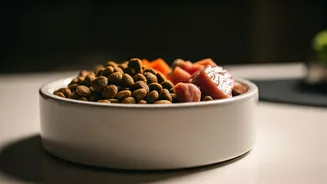
The premium bowl trend isn’t just about looks. Manufacturers are cleverly weaving in wellness benefits to justify the higher price tags. Many of these new bowls address real, if sometimes minor, pet health concerns. Raised feeders, for example, are marketed as being better for a pet’s posture and digestion, especially for older animals or large-breed dogs. The choice of material is also a key selling point.Plastic bowls, long the budget-friendly standard, can harbor bacteria in scratches and have been linked to a type of feline acne that appears on a cat’s chin. In response, premium brands champion materials like food-grade stainless steel, heavyweight ceramic, and non-porous stoneware that are more hygienic and easier to clean. Many are also dishwasher-safe, a convenience modern pet owners have come to expect. Slow-feeder bowls, which feature intricate patterns that force pets to eat more slowly, have also gone from being clunky plastic contraptions to beautifully designed mazes that provide mental stimulation and prevent bloating.
What Exactly Are You Paying For?
The price of this glow-up can range from a modest splurge to a serious investment. While a basic bowl might cost $10, an entry-level “designed” ceramic bowl from a brand like Wild One or Cat Person can run from $40 to $50. Move into the higher end, and you’ll find brands like Fable offering a bowl-and-stand set for around $100. At the peak of the market are artisanal, handmade pieces from independent ceramicists or luxury brands that can cost $200 or more.The premium you pay is for a combination of material quality, design integrity, and brand storytelling. You’re paying for a product that won’t get knocked over easily, that’s made from non-toxic materials, and that looks like it belongs in your thoughtfully curated home. It’s a small luxury, but one that’s visible every single day.