




1. Master the Capsule Wardrobe
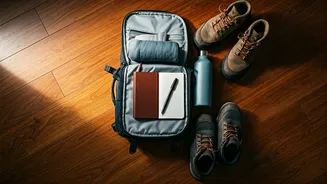
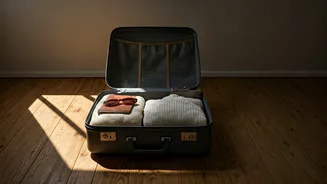
The “less but better” philosophy starts before you even leave the house. Gone are the days of wrestling with an overstuffed suitcase, only to wear half of what you packed. The modern traveler is embracing the capsule wardrobe: a small, curated collection
of versatile, high-quality pieces that can be mixed and matched to create multiple outfits. Think neutral base colors (black, navy, beige) with a few accent pieces, items that can be dressed up or down, and fabrics that travel well. The goal isn't deprivation; it's liberation. A lighter bag means less stress at the airport, easier navigation on cobblestone streets, and more mental space to focus on the experience rather than your belongings. It’s the sartorial equivalent of a deep breath—calm, intentional, and surprisingly freeing.
2. Pick One Hub, Not Five Cities
The pressure to see and do everything is a classic vacation-killer. A whirlwind tour of five European capitals in seven days might sound impressive, but it often translates into a blur of train stations, rushed museum visits, and exhaustion. The “less but better” approach champions depth over breadth. Instead of city-hopping, try picking a single city, town, or region as a home base for your entire trip. Rent an apartment, get to know the local bakery, and take day trips to nearby points of interest. This “hub-and-spoke” model allows you to unpack, settle in, and experience a place at a human pace. You’ll trade the stress of constant transit for the simple pleasure of developing a routine, discovering hidden gems, and feeling like a temporary local rather than a tourist just passing through.
3. Ditch the Hour-by-Hour Itinerary
Over-planning is the enemy of discovery. While it’s smart to have a general sense of what you want to see, a rigid, minute-by-minute schedule can suffocate the magic of travel. The most memorable moments are often the ones you didn’t plan: the charming side street you stumbled upon, the long conversation with a shop owner, or the afternoon spent lingering at a café just because the light was perfect. The “less but better” mindset encourages building empty space into your day. Plan one anchor activity—a museum visit, a cooking class, a hike—and leave the rest of the day open to serendipity. This unstructured time gives you the freedom to follow your curiosity, change your mind, and let the destination reveal itself to you on its own terms.
4. Go on a Digital Diet
In our hyper-connected world, it's easy to travel across the globe and still spend most of your time looking at a screen. You’re physically in Paris, but your mind is scrolling through work emails or social media feeds. A truly “better” trip involves being present. This doesn’t necessarily mean a full-on digital detox (unless you want one). Instead, it’s about setting intentional boundaries. Put your phone in airplane mode for a few hours each day. Resist the urge to post every moment in real-time. Use a physical map instead of Google Maps for a day. By reducing digital distractions, you heighten your other senses. You’ll notice the architectural details, hear the city’s unique sounds, and be more open to interacting with the people and places right in front of you.
5. Prioritize Experiences Over Souvenirs
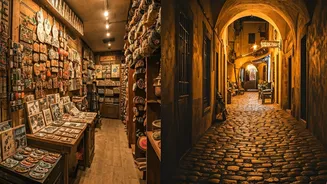
The old model of travel often involved accumulating stuff—trinkets, t-shirts, and mass-produced souvenirs that end up gathering dust in a drawer. The “less but better” traveler understands that the best souvenirs are memories. Instead of spending your time and money in tourist shops, invest in experiences. Splurge on a fantastic meal, take a class from a local artisan, or buy tickets to a performance. If you do want a physical memento, make it meaningful. Buy a piece of art directly from the artist, a bottle of wine from a vineyard you visited, or a cookbook from a beloved restaurant. These items tell a story and connect you to the experience long after you’ve returned home, which is far more valuable than a plastic snow globe.