


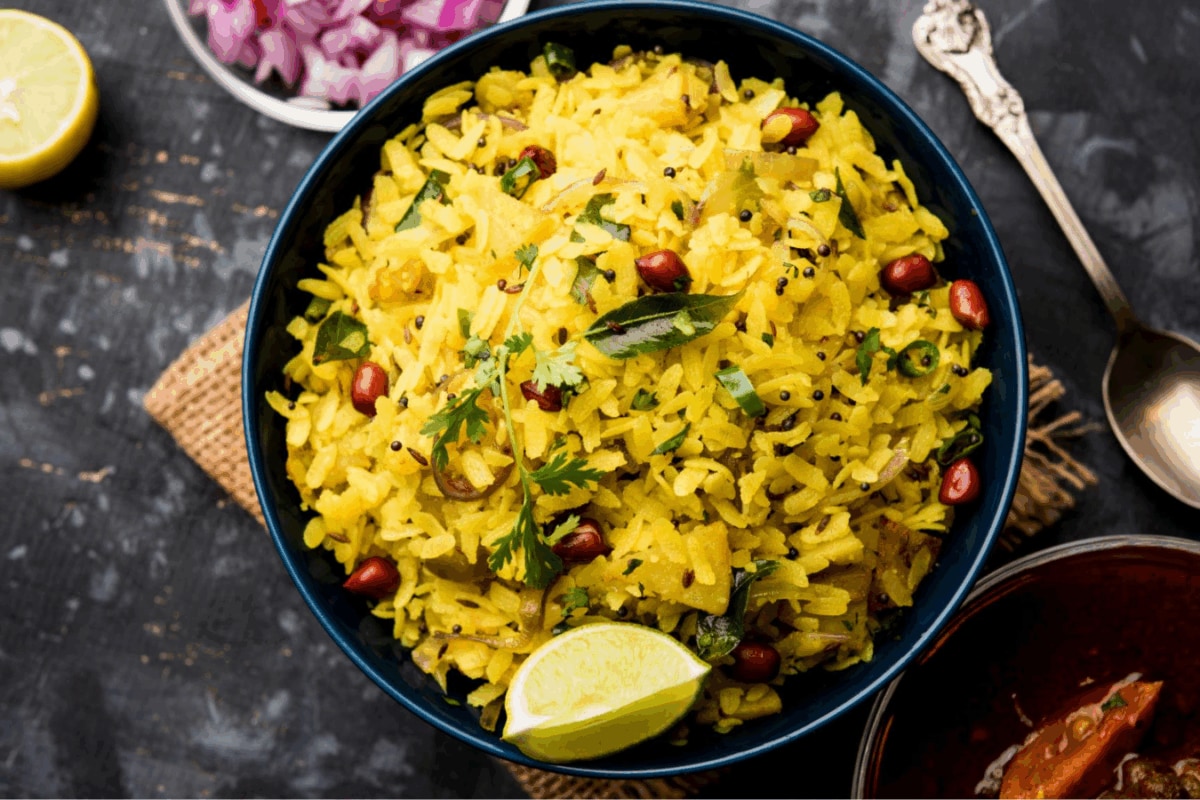
The Old 'Unhealthy' Myth
First, let's clear something up. The idea that Indian food is inherently unhealthy is a common misconception, often based on the rich, creamy, and sometimes heavy dishes popular in many U.S. restaurants. These celebratory foods, however, don't represent
the everyday home cooking of India, which has always been rich in vegetables, legumes, and whole grains. The new movement isn't about inventing a healthy version of Indian cuisine from scratch; it’s about applying modern nutritional science to traditional recipes, making conscious swaps that align with today’s wellness goals. It’s a shift from 'special occasion' indulgence to 'everyday vibrant' health, guided by nutritionists who understand the cuisine's soul.
Rethinking Fats and Creaminess
One of the most significant changes is the approach to fats. While traditional ghee (clarified butter) has its benefits, restaurant-style dishes often rely on heavy cream and large amounts of oil. The modern Indian plate creatively cuts back. Nutrition-focused chefs are replacing heavy cream with cashew or almond cream, which provides luscious texture with healthier, unsaturated fats. Greek yogurt is another hero, used to marinate meats and create velvety sauces with a fraction of the calories and a boost of protein. For cooking, heart-healthy oils like avocado or light olive oil are often swapped in for vegetable oil, while the use of ghee is more intentional and sparing, prized for its flavor rather than used as a default.
A Whole-Grain Renaissance
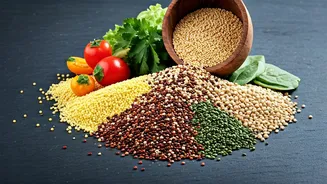
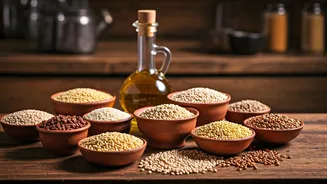
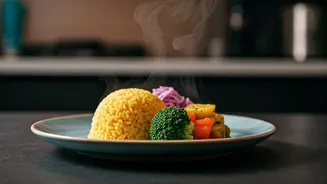
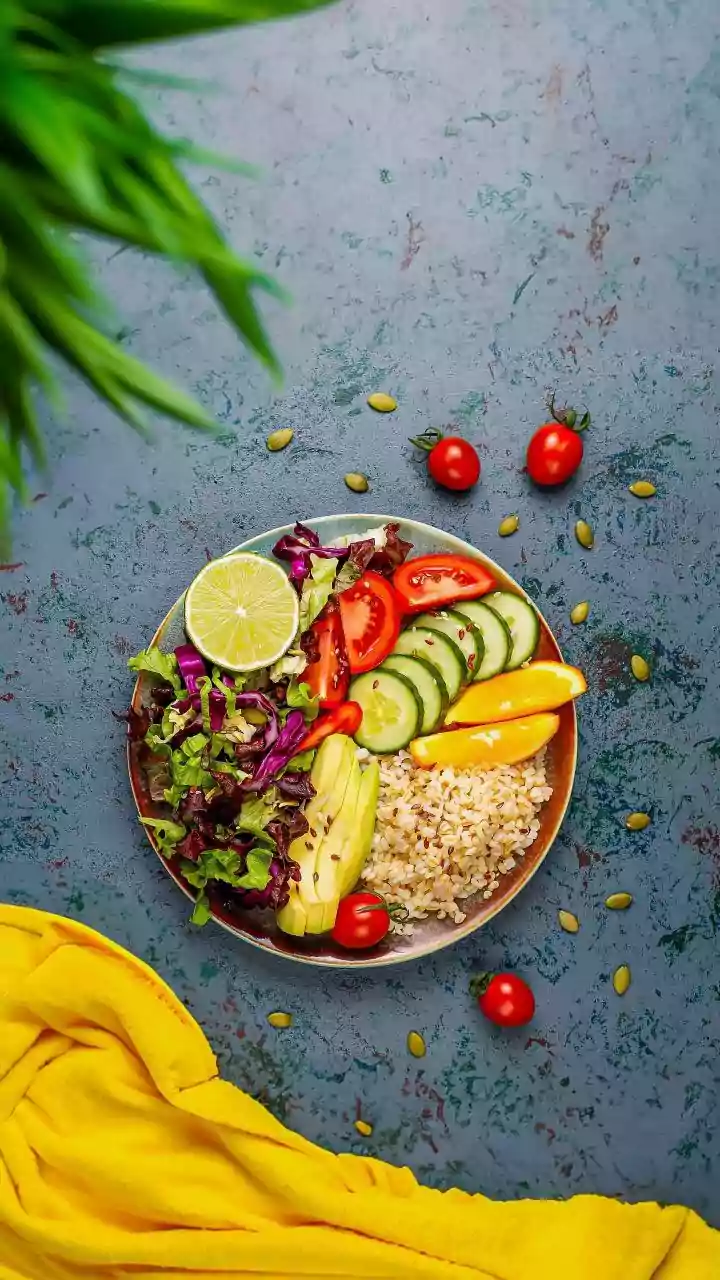
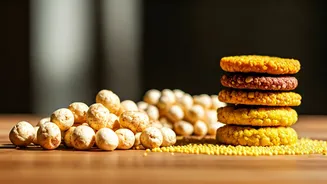
The pillowy, refined-flour naan bread is iconic, but the makeover introduces a world of healthier alternatives. White rice is being supplemented or replaced with nutrient-dense options like brown rice, quinoa, and ancient grains like millet and farro, which offer more fiber, protein, and a lower glycemic index. These grains are worked into modern versions of biryani, pulao, and khichdi. Flatbreads are also getting an upgrade. Instead of just white flour, chefs are using whole wheat (atta), chickpea flour (besan), or millet flour to make rotis and parathas that are just as satisfying but far more nourishing.
Cooking Methods Get a Lighter Touch
This might be the most visible and accessible change. The deep-fryer is no longer the default for favorites like samosas, pakoras, and vadas. Instead, the air fryer and the oven have become essential tools. Samosas are baked until golden and crisp, retaining their triangular charm without the grease. Vegetable and chicken kebabs are grilled or pan-seared instead of fried. This simple shift in cooking technique dramatically reduces the calorie and unhealthy fat content, allowing the flavor of the spices and core ingredients to shine through. It’s a win-win: you get the crunch and satisfaction you crave with none of the post-meal sluggishness.
Letting Spices Be the Star
At its heart, Indian cooking is about the masterful blend of spices. The new, healthier approach doubles down on this core strength. Spices like turmeric, cumin, coriander, ginger, and garlic aren't just flavorings; they are potent sources of anti-inflammatory and antioxidant compounds. By reducing excess oil, salt, and cream, the complex flavors of these spices become more prominent. A modern daal (lentil stew) might have less ghee but a more pronounced *tadka*—the final tempering of spices in hot oil—that blooms their aroma and health benefits. This is about precision, allowing a symphony of healthful spices to lead the dish rather than being muted by heavier components.