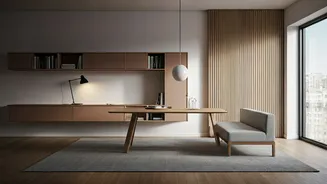

The Twilight of the 'Showpiece Corner'
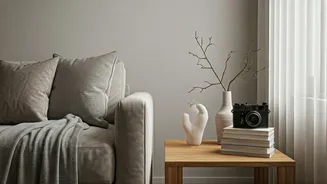
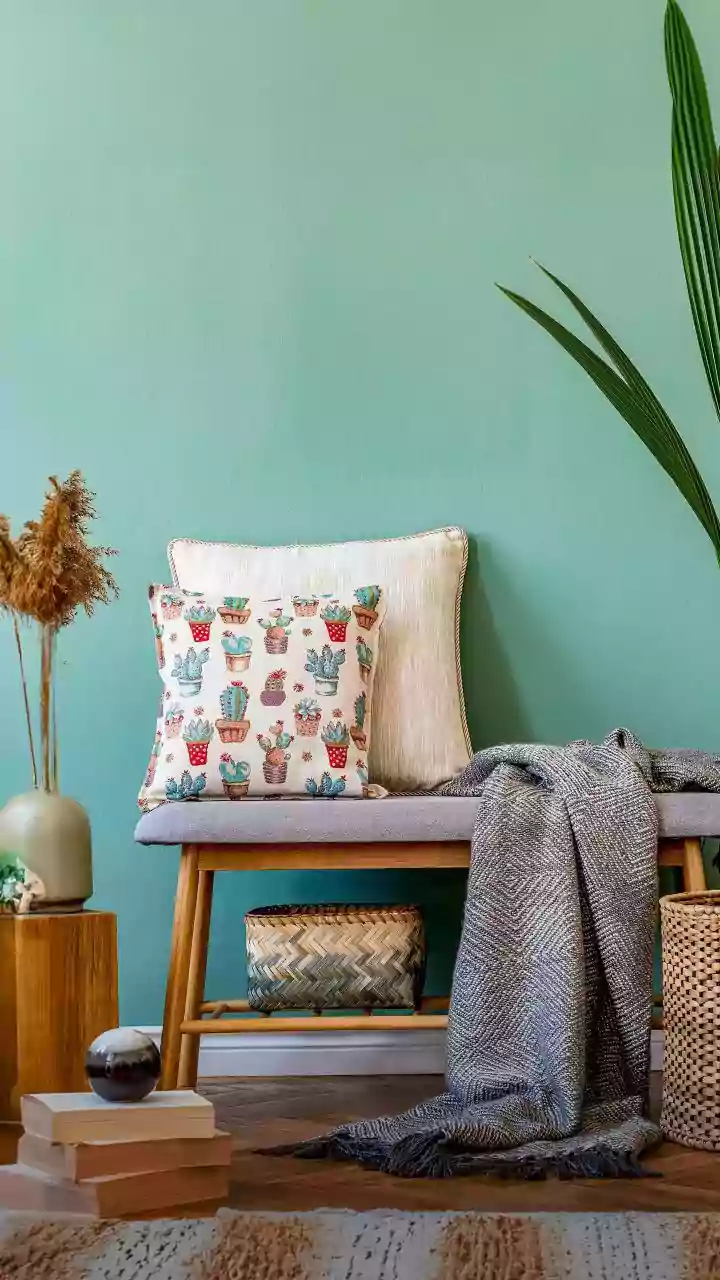
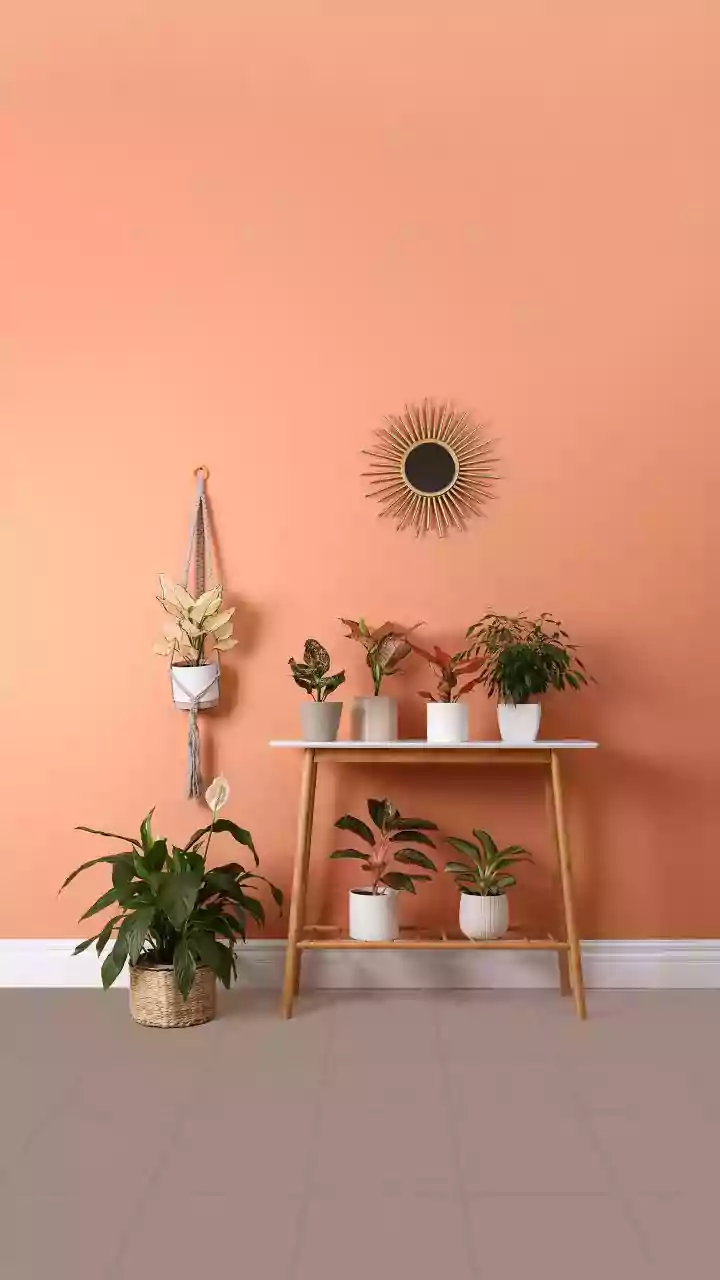
You know the look: the immaculately placed armchair that no one sits in, the artfully arranged stack of books that no one reads, the single, sculptural plant basking in a perfect ray of light. This is the 'showpiece corner,' a space designed less for
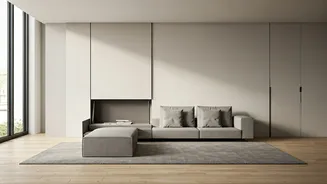
living and more for looking—specifically, for being photographed for social media. For much of the last decade, achieving this static perfection was a dominant goal in interior design. It was about creating a vignette, a testament to good taste that communicated a certain lifestyle. The problem, as millions of Americans discovered during the lockdowns, is that a vignette can’t host a Zoom call. A showpiece corner offers no storage for yoga mats, kids’ toys, or the clutter of a workday. Its value is purely aesthetic, and in a world where every square foot of our homes suddenly needed to work overtime, that value plummeted. The curated corner began to feel less like an aspiration and more like a waste of precious, functional space.
Enter the Hard-Working Flexible Space
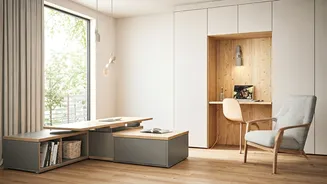
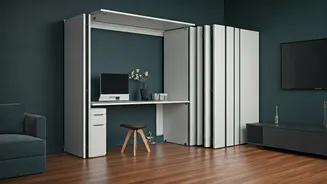
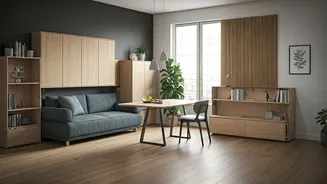
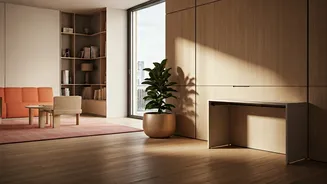
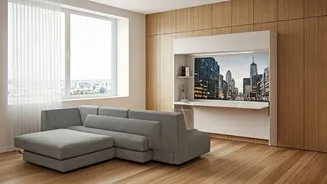
In its place, the 'flexible space' is becoming the new hero of home and office design. This isn't about a specific style, but a philosophy: design that adapts to our needs, not the other way around. A flexible space is a chameleon. It’s the living room with a sleek Murphy bed hidden in the wall that turns it into a guest room at a moment’s notice. It’s the dining area with a table that can shrink for daily meals and expand for holiday feasts. It’s the office alcove concealed behind a sliding barn door, allowing you to mentally and physically 'leave' work at the end of the day.
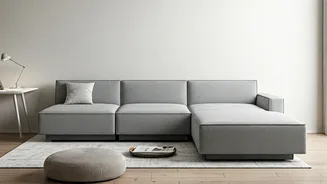
The key elements are modularity, mobility, and multifunctionality. Think furniture on wheels, nesting tables, convertible sofas, and clever built-ins that hide clutter and reveal function. The aesthetic isn't about a single, perfect picture but about a fluid, responsive environment that supports the messy, unpredictable reality of modern life.
Why Our Needs Officially Changed
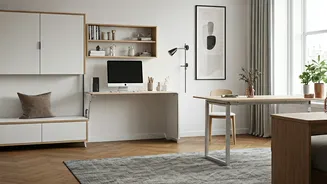
This isn’t just a fleeting trend; it’s a deep, structural shift driven by how we live and work now. The mass adoption of hybrid and remote work is the single biggest factor. A home is no longer just a refuge; for many, it’s also a primary workplace. This requires dedicated zones for productivity that don’t permanently sacrifice family or relaxation areas. People are demanding spaces that can transition seamlessly between personal and professional modes.
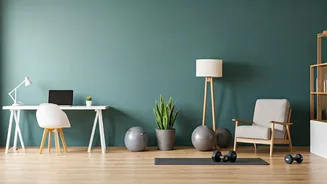
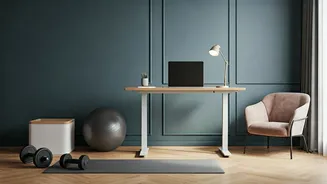
Beyond work, there’s a growing emphasis on wellness and hobbies. The home needs to be a gym, a meditation zone, a creative studio, and a place to entertain. A single-purpose room feels like an indulgence many can no longer afford, both spatially and financially. This shift also signals a move toward authenticity. The pressure to present a polished, performative version of life online is giving way to a desire for comfort, utility, and spaces that genuinely feel like *us*—clutter and all.
What the Flexible Future Looks Like
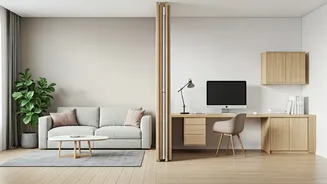
So, what does this mean for the average home or office by 2026? Expect to see more 'broken-plan' layouts instead of vast, echoey open-plan spaces. These use partial walls, glass partitions, or even strategic furniture placement to create distinct zones without completely closing off rooms. In kitchens, the oversized, monolithic island is being challenged by smaller, movable islands or even the return of the humble kitchen table, which feels more communal and versatile.
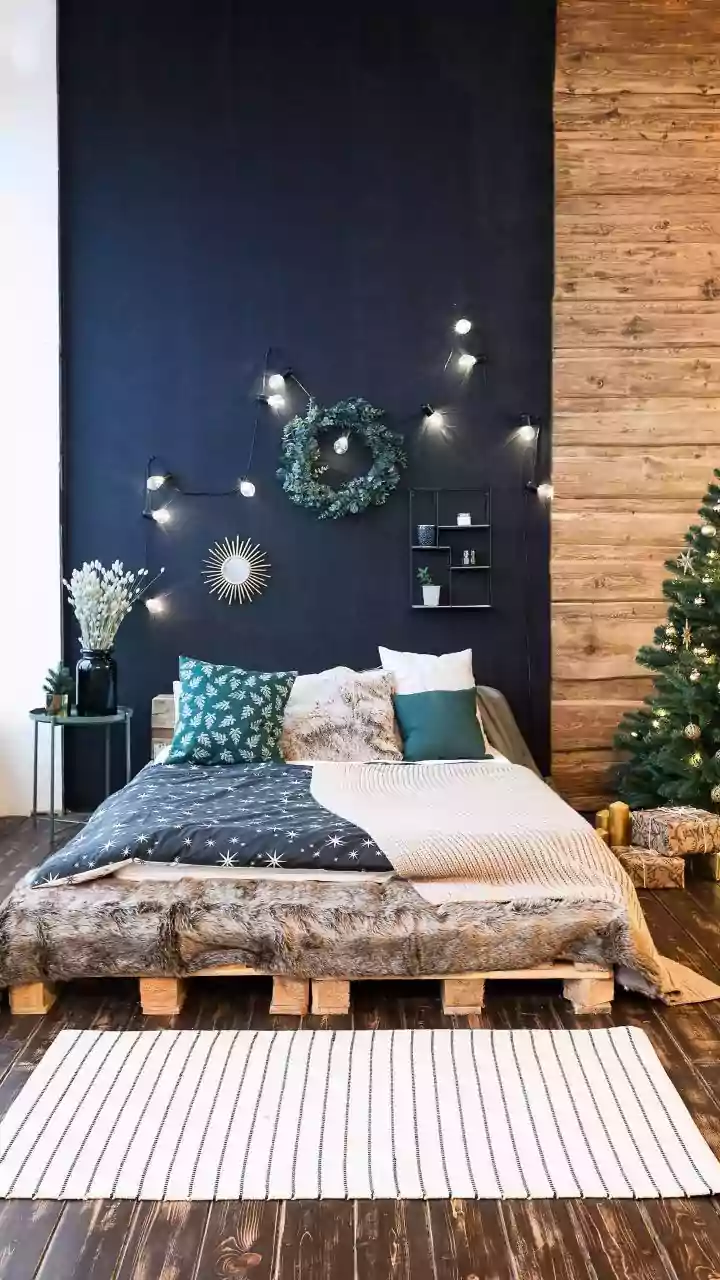
In bedrooms, the space once occupied by a decorative accent chair might now feature a fold-down desk or a compact exercise bike. In corporate offices, rows of assigned desks are being replaced with 'neighborhoods'—a mix of focus pods, collaborative lounges, and bookable meeting rooms that cater to different tasks. The guiding principle is choice. The best space is the one that gives its occupants the most options for how to use it throughout the day.