





The End of the Melting Pot Menu
For decades, the story of American food was one of assimilation. Cuisines from around the world arrived and were softened, sweetened, and standardized for a generic national palate. Think of the suburban Chinese takeout joint or the “Italian” restaurant
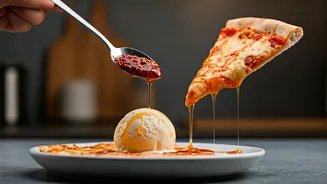
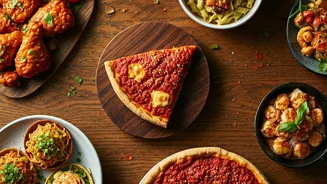
serving spaghetti and meatballs. But that model is being rejected by Millennials and Gen Z, who are driving a powerful counter-trend: the celebration of the hyper-specific. Instead of just “pizza,” it’s a thick, rectangular Detroit-style slice with a caramelized cheese crust. Instead of just “fried chicken,” it’s the cayenne-dusted, pickle-topped version born in Nashville. Young foodies aren't looking for a melting pot; they want a tasting menu of America’s most distinct and authentic culinary pockets. They’re seeking out dishes with a story, a specific place, and an unapologetic point of view.
A Hunger for Authenticity and Story
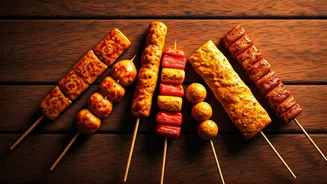
So, what’s driving this shift? It’s part of a larger cultural quest for authenticity. This is a generation that prioritizes experiences over possessions and gravitates toward brands and products with a clear, compelling story. A bowl of Gullah Geechee red rice isn't just a meal; it's a direct connection to a unique American history. A West Virginia-style pepperoni roll isn’t just a snack; it's a taste of Appalachian ingenuity. In a world of mass production and globalized sameness, a dish with deep roots in a specific place feels real, tangible, and special. This desire is amplified by a growing skepticism toward processed foods and a greater interest in where our food comes from. Knowing a dish is from somewhere—not just from a corporate test kitchen—gives it an intrinsic value that younger consumers are willing to seek out and pay for.
Fueled by the Algorithm
You can’t talk about this trend without talking about social media. Platforms like TikTok and Instagram have become powerful engines for culinary discovery, capable of turning a local specialty into a national phenomenon overnight. Food is visual, and a video of someone dipping a cheesy birria taco into a rich, red consommé is infinitely more compelling than a static menu description. The algorithm rewards novelty and intensity, which is why a dish like Nashville hot chicken—with its dramatic color and promise of a spicy challenge—was practically designed for viral fame. Social media democratizes food trends, taking the power away from old-guard food critics and putting it in the hands of creators who can shine a spotlight on a hidden gem in Omaha or a roadside stand in New Mexico, instantly creating a nationwide demand.
What This Means for Your Dinner Plate
This movement is reshaping not just what we eat in restaurants, but what we value in food. It’s creating new opportunities for chefs and entrepreneurs to celebrate their own heritage. We’re seeing a revival of interest in heirloom ingredients like Carolina Gold rice or heritage breed pork, which are essential to recreating these regional flavors accurately. Even at the grocery store, product lines are expanding to include regional hot sauces, spice blends, and condiments that were once only available locally. The result is a more diverse, interesting, and delicious American food landscape. The bland, one-size-fits-all menu is making way for a vibrant mosaic of flavors, where every dish tells a story and every bite is a journey to somewhere real.