



It's Not About the Six-Pack
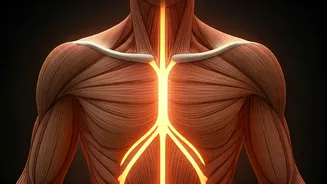
When most people hear 'core strength,' they picture chiseled abs. But in the world of Pilates, the core is so much more than what you see in the mirror. Think of it as the body’s internal support system—a corset of deep muscles that wrap around your spine,
pelvis, and torso. These muscles, like the transverse abdominis and multifidus, aren't the 'show' muscles; they're the 'go' muscles. They stabilize your spine before you even lift a finger, supporting every single movement you make, from picking up groceries to sprinting for the bus. Traditional workouts often focus on the superficial 'six-pack' muscles (the rectus abdominis), which are designed for forward bending. Pilates, however, goes deeper. The exercises are meticulously designed to activate and strengthen this entire stabilizing network. This is why a Pilates regular might not look like a bodybuilder but can move with surprising power and grace. They're building a foundation of strength that prevents injury, improves balance, and makes every other physical activity feel easier.
The Secret Ingredient: Control
If deep core strength is the 'what,' then control is the 'how.' In fact, the founder, Joseph Pilates, originally called his method 'Contrology.' This isn’t about grunting through reps or using momentum to power a movement. Instead, every exercise is a lesson in precision and mindfulness. The focus is on the quality of the movement, not the quantity. You're asked to move slowly, deliberately, and with intense mental focus. Can you keep your torso perfectly still while your leg extends? Can you articulate your spine one vertebra at a time? This mind-body connection is transformative. It forces you to be present and tune into how your body feels and functions. Unlike zoning out on a treadmill or powering through a HIIT class, Pilates demands your full attention. This practice of control builds not only physical strength but also mental discipline and awareness, which spills over into everyday life.
Feeling Better, Not Just Looking Different
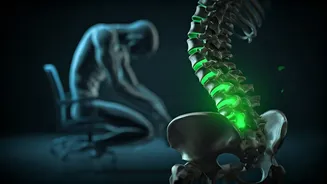
The long-term appeal of Pilates lies in its tangible, functional benefits. While aesthetic changes happen, the primary reward is feeling better in your own skin. The combination of core strength and control directly addresses the common complaints of modern life: lower back pain from sitting at a desk, stiff shoulders from hunching over a phone, and general feelings of instability. By re-educating your body to move efficiently, Pilates improves posture almost effortlessly. You start to stand taller and sit straighter without constantly reminding yourself. Aches and pains that seemed chronic often begin to fade because the body is finally supported properly. This profound shift from discomfort to functional ease is a powerful motivator. People stick with Pilates not because they’re chasing an elusive physique, but because it consistently makes their day-to-day existence more comfortable and capable.
Why It's a Practice, Not a Fad
Many fitness fads are built on novelty and the promise of a quick fix. They burn bright and fast, but often lead to burnout, injury, or boredom. Pilates is the opposite. It’s a sustainable practice that meets you where you are. Whether you're a professional athlete or recovering from an injury, the principles can be adapted to your level. The emphasis on control and precision makes it low-impact and inherently safe when taught correctly. There's always a new layer to uncover, a deeper connection to make, or a more challenging variation to master. It doesn't rely on hype; it relies on results you can feel in your bones. This is why people who find Pilates often don't leave. They’ve discovered a system not for punishing their body into shape, but for intelligently building a more resilient, responsive, and pain-free version of themselves.