




More Than Just Fancy Kibble
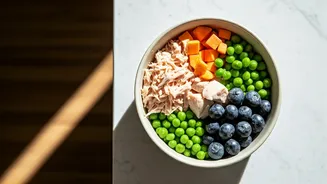
Walk down the pet aisle—or, more likely, scroll through your Instagram feed—and you'll see it: fresh, colorful meals for dogs and cats that look suspiciously like your own healthy lunch. Brands like The Farmer's Dog, Ollie, and Nom Nom are leading a culinary
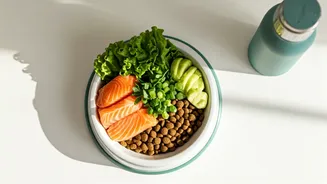
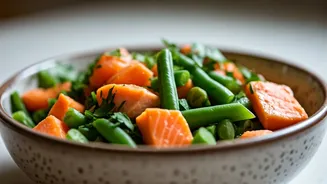
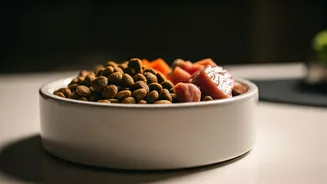
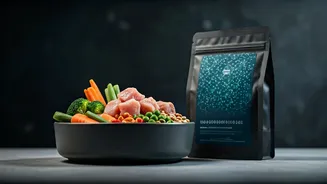
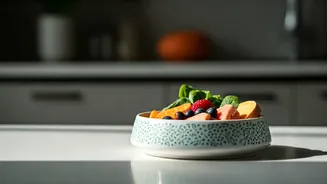
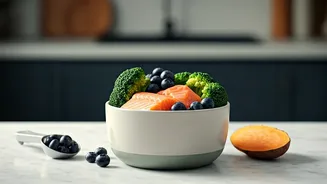
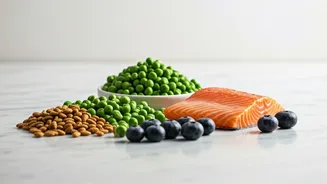
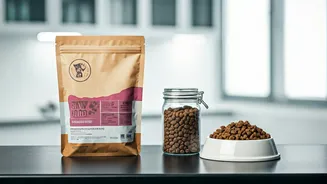
revolution for our four-legged friends. They offer subscription-based, pre-portioned meals made with ingredients you can actually pronounce: turkey, kale, carrots, and sweet potatoes. The secret sauce is the 'human-grade' label. This isn't just a marketing gimmick; it’s a legally defined term regulated by the FDA. It means the food is made with ingredients and in facilities that meet the same safety and quality standards required for human food. It’s a far cry from the mysterious brown pellets that have defined pet ownership for decades.
The Rise of the 'Pet Parent'
This trend didn’t appear in a vacuum. It’s the direct result of a profound shift in how we view our pets. For a growing number of Americans, particularly millennials and Gen Z, pets aren't just animals; they're family. We've graduated from 'pet owners' to 'pet parents,' and we treat them accordingly. This generation, which is delaying marriage and childbirth at higher rates than previous ones, often channels its nurturing instincts and disposable income toward its 'fur babies.' When you see your dog as a child, feeding them processed, shelf-stable kibble can feel like serving a toddler fast food for every meal. The desire to provide the best—the healthiest, the purest, the most 'natural'—is a powerful emotional driver. Providing a human-grade meal is an act of love, a tangible way to ensure their health and happiness.
Mirroring Our Own Wellness Obsessions
The human-grade pet food movement is also a perfect mirror of our own wellness culture. Look at the buzzwords used by these companies: 'whole foods,' 'gently cooked,' 'preservative-free,' 'customized nutrition.' They are the same terms that dominate the marketing for our own food, from Whole Foods Market to the latest diet app. We’ve spent the last decade obsessing over clean eating, farm-to-table sourcing, and personalized health. Now, we're projecting those same values and anxieties onto our pets. If we believe gluten is bad for us, we start wondering if it's bad for our Goldendoodle. If we're drinking celery juice for its anti-inflammatory properties, we start looking for turmeric in our cat's food. Feeding our pets well has become an extension of our own identity as health-conscious, informed consumers. It's a 'flex' because it signals that you are not only taking care of yourself but are also curating a specific, high-end lifestyle for your entire household, paws included.
But Is It Worth the Price Tag?
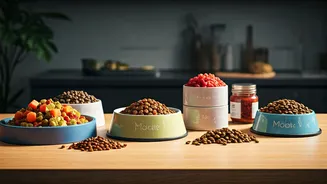
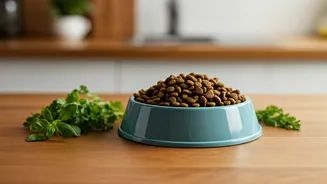
Of course, this level of quality comes at a premium. Human-grade pet food can cost several times more than traditional kibble, often running into hundreds of dollars per month. This cost is a significant part of its status as a 'flex.' It's a luxury good that telegraphs financial stability and a certain level of devotion. But does the science back up the expense? Many veterinarians agree that fresh, whole-food ingredients can be beneficial, particularly for pets with specific health issues. However, they also caution that 'human-grade' doesn't automatically mean 'nutritionally superior.' The most critical factor for a pet’s diet is that it is complete and balanced, meeting specific nutrient profiles established by organizations like the Association of American Feed Control Officials (AAFCO). A high-quality, scientifically formulated kibble can be just as healthy, if not healthier, than a poorly balanced fresh-food diet. The consensus is often that the best diet is the one that works for your specific pet, in consultation with your vet.