




The Reigning Summer Champion
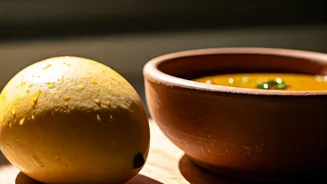
Let’s start with the familiar favorite. Aam Panna is the undisputed king of Indian summer coolers for a reason. Originating primarily from the northern and western regions of India, this drink is ingeniously designed to combat scorching heat. It’s made
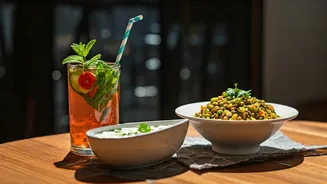
from the pulp of unripe green mangoes, which are boiled or roasted to soften them. This pulp is then blended with sugar, water, and an aromatic mix of spices like roasted cumin, black salt, and often fresh mint. The result is a perfect symphony of sweet, sour, and savory notes in one refreshing glass. It’s what you drink by the pitcher at a backyard barbecue, the welcome drink that instantly cools you down, and a nostalgic taste of childhood summers for millions. Its role is simple and glorious: to be a delicious antidote to a hot day.
The Savory Southern Contender
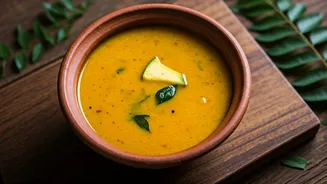
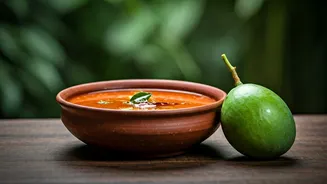
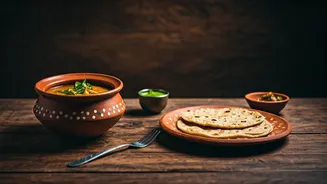
Now, let’s turn our attention to Mango Rasam, or Mamidikaya Rasam as it’s known in Telugu. And here’s the most important thing to know upfront: this is not a drink. Mango Rasam is a hot, soupy, and savory dish from South India, particularly popular in states like Andhra Pradesh, Telangana, and Tamil Nadu. It belongs to the 'rasam' family—a category of thin, spicy-sour broths that are a cornerstone of South Indian meals. In this version, raw mango replaces the traditional tamarind as the primary souring agent. It’s a light, brothy concoction made with a base of cooked lentils, infused with the tang of green mango, and tempered with a sizzling mixture of ghee, mustard seeds, curry leaves, and dried red chilies. It’s not served in a tall glass with ice; it’s ladled over a mound of hot rice to start a meal, whetting the appetite and warming the soul.
A Tale of Two Preparations
Both dishes celebrate the unique flavor of unripe mango, but their journeys from tree to table couldn't be more different. For Aam Panna, the mango is the star of a solo act. The fruit is cooked until its pulp is soft and easily extractable. This pulp is the thick, concentrated base of the drink, which is then diluted and seasoned. The texture is smooth, pulpy, and meant to be sipped. Mango Rasam, on the other hand, asks the mango to be a team player. The raw mango is often chopped and cooked along with lentils until it softens and infuses the entire broth with its distinct tartness. Sometimes it’s pureed and added, but it’s always part of an ensemble. The final dish is thin and watery, designed to be mixed with rice or sipped as a soup. One is a beverage concentrate; the other is a complete, complex broth.
The Ultimate Flavor Face-Off
If you put them side by side, the flavor profiles are worlds apart. Aam Panna leads with a one-two punch of sweet and sour. The sugar balances the raw mango’s acidity, while spices like cumin and mint provide a cool, earthy background. It’s unapologetically a cooler, designed for immediate, refreshing impact. Mango Rasam is a study in savory complexity. The primary note is sour, but it's a foundation for other flavors to build upon. The heat from black pepper and red chilies, the earthy aroma of curry leaves, the pungent pop of mustard seeds, and the subtle richness of lentils create a layered, deeply comforting taste. While Aam Panna is bright and direct, Mango Rasam is brothy, pungent, and has a lingering, spicy warmth. One cools you down from the outside in; the other warms you up from the inside out.
Know When to Serve Which
So, when does each dish get its moment in the spotlight? Aam Panna is the quintessential daytime refresher. Serve it at brunch, bring a jug to a picnic, or keep a batch in the fridge for a post-workout treat. It’s casual, social, and pairs perfectly with sunshine. Mango Rasam is a mealtime hero. It’s the perfect, light start to a traditional South Indian thali, a comforting bowl to have when you’re feeling under the weather, or a fantastic way to add a tangy twist to a simple dinner of rice and vegetables. It shines not as a standalone item, but as a crucial component that makes a whole meal sing.