

The Poha We Know and Love
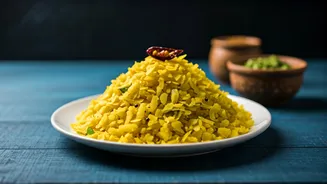
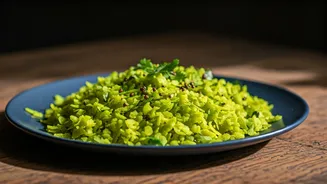
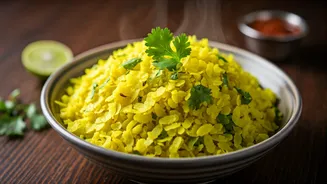
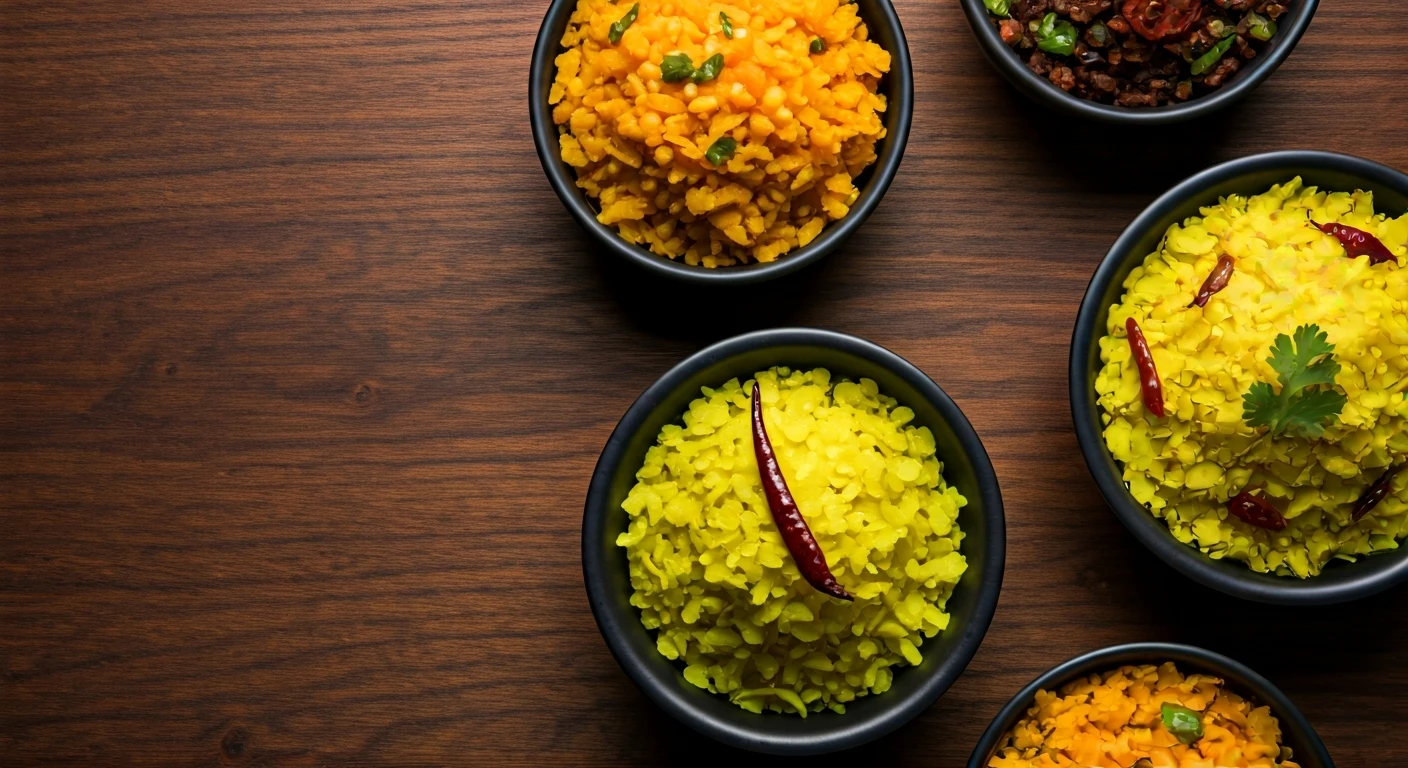
For many Americans who have dipped their toes into Indian home cooking, poha is a revelation. Made from flattened rice flakes that rehydrate in minutes, it’s the ultimate quick and satisfying breakfast or snack. The most common version we encounter is modeled
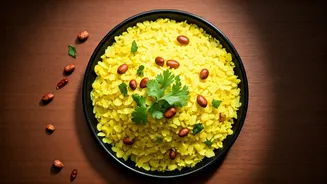
on Kanda Poha from Maharashtra: a savory mix of onions, potatoes, turmeric, mustard seeds, and a finishing crunch of peanuts and a squeeze of lime. It’s dependable, delicious, and deeply comforting. It’s the reliable sedan of the breakfast world—it gets you where you need to go, and you’re always happy for the ride. But what if that sedan had a convertible, pearl-finish cousin you never knew about?
Enter Chirer Pulao, the Festive Upgrade
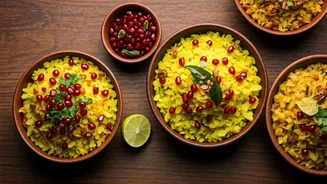
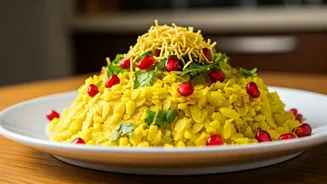
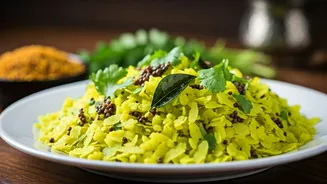
Enter Chirer Pulao. First things first: “chire” is simply the Bengali word for flattened rice, the same core ingredient as poha. But the comparison largely ends there. This isn't just a regional name for the same dish; it's a completely different culinary philosophy. Originating from Bengal in eastern India, Chirer Pulao treats flattened rice not as a quick breakfast scramble, but as the base for a delicate, fragrant pilaf—or “pulao.” The name itself signals its elevated status. It’s less about a quick savory fix and more about creating a balanced tapestry of sweet, salty, and aromatic notes, often reserved for special guests or festive occasions.
The Sweet and Savory Symphony
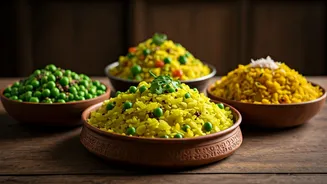
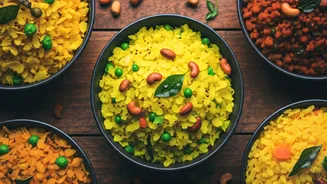
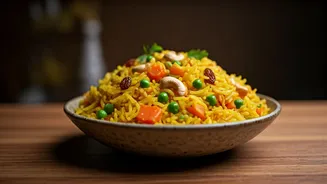
So, what makes it so different? It’s all in the details. While a standard poha leans heavily on savory and tangy flavors, Chirer Pulao is famous for its gentle sweetness that plays against a savory backdrop. This isn’t achieved with a heavy hand, but through a careful layering of ingredients. Vegetables like peas and carrots are common, but the real stars are the additions that scream “celebration.” Think golden-fried cashews or peanuts, plump raisins that burst with sweetness, and, most importantly, lightly sautéed coconut, either fresh or desiccated. A pinch of sugar is almost always added to the tempering oil, along with whole spices like cinnamon, cardamom, and cloves. This combination creates a dish that’s fragrant, rich, and unabashedly festive. It’s the kind of detail that turns a simple snack into a memorable treat.
A Lighter, Fluffier Texture
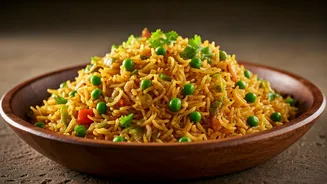
The “fresh” feeling of Chirer Pulao comes from both its flavor profile and its texture. The technique is key. The flattened rice is typically rinsed and drained so it becomes perfectly tender but not mushy. Each grain remains distinct. Many recipes call for tossing the moistened chire with salt and sugar before it even hits the pan, ensuring every flake is seasoned. The cooking process is often quicker, a gentle stir-fry to combine everything without overworking it. Spices like fennel seeds and fresh ginger are often used to add a bright, aromatic lift that cuts through the richness. The final dish isn’t heavy or dense; it’s light, fluffy, and fragrant, designed to delight the senses rather than just fill you up.
More Than Just a Breakfast Dish
In Bengal, Chirer Pulao isn't just for the breakfast table. It’s a versatile snack (or “tiffin”) that’s often prepared for evening tea, packed for picnics, or served during religious festivals like Durga Puja, where it provides a delightful vegetarian option that feels special. Its status is a testament to its flavor complexity. While you can absolutely make it for a weekday breakfast—and you should—understanding its cultural context helps explain why it feels so different from its plainer cousins. It’s poha dressed in its party clothes, ready to impress.