



Dahi: The Everyday Essential
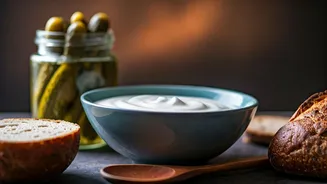
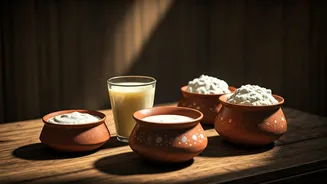
Forget the sugary, fruit-on-the-bottom cups from the grocery store. Traditional Indian yogurt, or Dahi, is the cornerstone of probiotic-rich eating in countless households. Typically made at home by introducing a small amount of live culture (from a previous
batch) into warm milk and allowing it to ferment overnight, Dahi is a living food teeming with beneficial bacteria. Its simple, two-ingredient nature is a testament to its purity. Dahi is not just a side dish; it’s an integral part of meals, used to cool the palate from spicy curries, form the base of marinades, or simply eaten with a pinch of salt. This daily ritual of making and consuming Dahi connects families to a rhythm of self-sufficiency and generations of culinary wisdom, making it the ultimate example of rooted wellness.
Lassi: The Original Probiotic Smoothie
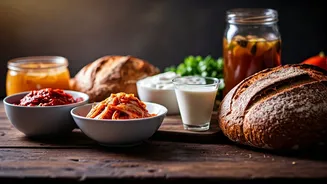
Long before smoothies became a global phenomenon, there was Lassi. This beloved yogurt-based drink is a refreshing, gut-friendly beverage popular across the Indian subcontinent, especially during hot weather. The process is simple: Dahi is blended with water or milk and can be made sweet (with sugar or fruit, like mango lassi) or savory (with salt and spices like cumin, called ‘chaas’). The churning process doesn't harm the live cultures from the yogurt, making every sip a dose of probiotics that can aid digestion. More than just a drink, Lassi represents hospitality and comfort. It's what's offered to a guest on a hot day or enjoyed as a satisfying end to a hearty meal, linking gut health directly to moments of social connection and pleasure.
Kanji: The Fermented Winter Elixir
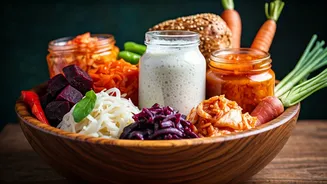
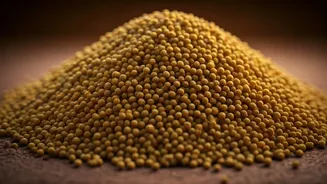
A lesser-known gem outside of India, Kanji is a tangy, fermented drink traditionally made during the winter months, especially in North India. Its most popular form uses black carrots, which give the drink a stunning, deep purple hue. The carrots are chopped and submerged in water with salt and mustard seeds, then left to ferment in the sun for several days. This natural fermentation process creates a powerhouse of probiotics. The resulting drink is sour, pungent, and incredibly flavorful. Kanji is often associated with the festival of Holi and is believed to be a digestive aid and blood cleanser. It’s a perfect example of seasonal eating, using winter produce to create a health-boosting tonic that prepares the body for the changing seasons.
Idli & Dosa: The Power of Fermented Batter
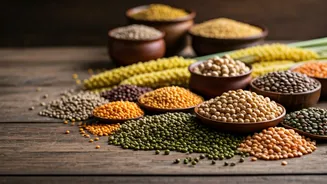
Idli (steamed rice cakes) and Dosa (thin, savory crepes) are breakfast staples in South India, but their magic lies in the preparation. Both are made from a batter of fermented rice and lentils. The grains are soaked, ground, and then left to ferment for 8-12 hours. This fermentation process does more than just leaven the batter, making the Idlis light and fluffy; it also breaks down the starches and anti-nutrients, making them easier to digest and increasing the bioavailability of vitamins and minerals. The lactic acid bacteria that drive the fermentation also contribute to a healthy gut microbiome. Eating Idli or Dosa isn't just consuming carbs; it's partaking in an ancient form of food science that enhances nutrition and flavor simultaneously.
Achaar: The Complex World of Indian Pickles
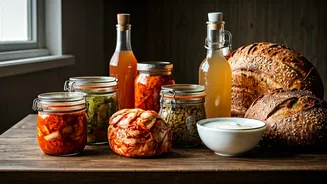
While many commercial pickles are simply preserved in vinegar, traditional Indian pickles, or Achaar, are often lacto-fermented. Using a mixture of salt, oil, and a complex blend of spices, vegetables and fruits like mango, lime, or chili are preserved through a process that encourages the growth of beneficial bacteria. These pickles are intensely flavorful, serving as a condiment to add a punch of flavor to a simple meal of rice and lentils. A small amount of homemade Achaar can deliver a concentrated dose of probiotics and enzymes. It's a craft passed down through generations, with every family having its own secret recipe. This connection to heritage, and the patience required to let the pickle ferment over weeks or months, makes Achaar a powerful symbol of food as a long-term investment in both flavor and health.