


More Than Just a Train
In a world obsessed with speed—bullet trains, supersonic jets, and ever-faster Wi-Fi—the idea of a train that averages just 12 miles per hour seems almost revolutionary. But the Himalayan Queen, affectionately known as the "toy train," isn't about getting
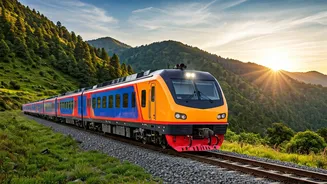
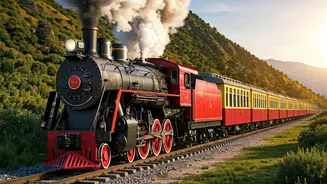
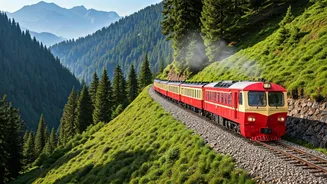
somewhere fast. It’s about the journey itself. The Kalka-Shimla Railway, a UNESCO World Heritage Site, is one of India's most celebrated narrow-gauge lines, a 60-mile ribbon of steel that has been climbing through the Himalayan foothills for over a century. Its recent return to full service with refurbished, scenic-view coaches marks a welcome revival for travelers seeking an antidote to the frantic pace of modern life. This train doesn't just transport you to Shimla, the former summer capital of British India; it transports you to another era.
An Engineering Marvel in the Mountains
Completed in 1903, the railway is a staggering feat of engineering, built to connect the plains of Kalka with the cool mountain air of Shimla. The statistics alone are mind-boggling. Over its 60-mile ascent of nearly 5,000 feet, the train negotiates more than 800 bridges and viaducts and passes through 102 tunnels. The longest of these, the Barog tunnel, takes nearly three minutes to traverse, plunging passengers into cool darkness before they emerge to breathtaking vistas on the other side. Every curve of the track was laid by hand, a testament to colonial-era ambition and sheer human will. Riding it today, you can't help but feel a sense of awe for the laborers who carved this path through solid rock, creating a gentle, spiraling ascent so the tiny engine could conquer the formidable Himalayan geography.
A Kaleidoscope of Scenery
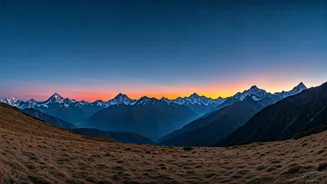
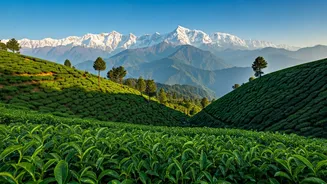
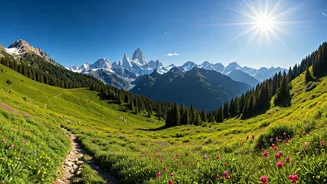
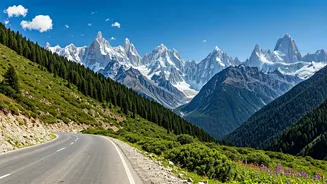
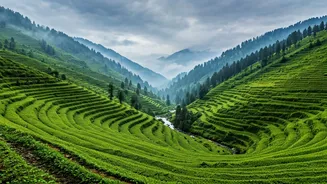
The five-hour journey is a slow-motion film of changing landscapes. The train chugs out of Kalka, leaving the heat and haze of the Indian plains behind. Soon, the scenery shifts to subtropical forests, with monkeys chattering in the trees and the air growing noticeably cooler. As the train climbs higher, the vegetation changes to fragrant pine and deodar cedar forests. The windows frame a constantly shifting masterpiece: deep gorges, terraced fields clinging to steep hillsides, and rustic villages that seem untouched by time. Fellow passengers, a mix of international tourists, Indian families, and local commuters, point out landmarks and share stories. The train makes brief stops at charming, almost storybook stations like Dharampur and Barog, where you can hop off for a quick cup of chai and a samosa, soaking in the quiet mountain atmosphere before the whistle calls you back on board.
The Irresistible Magic of Slow Travel
While a car can make the same trip in about three hours, it misses the point entirely. The toy train is an experience in mindfulness. There is no frantic overtaking, no honking horns—just the steady, rhythmic click-clack of wheels on track. It’s a forced deceleration that allows you to notice the details: the way the light filters through the pine needles, the waterfalls cascading down a distant cliff, the friendly waves from children in a passing village. For travelers used to rushing from one sight to the next, the Kalka-Shimla Railway offers a rare opportunity to simply be present. It’s a chance to read a book, have a long conversation, or do nothing at all but stare out the window as some of the world's most spectacular scenery unfolds before you at a pace that allows you to truly absorb it.