




The Great Escape
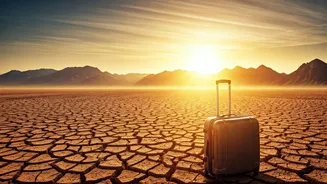
When temperatures across India's vast northern plains soar past 110°F (43°C) for weeks on end, life grinds to a halt. The air conditioners that can't keep up become a fire hazard. The asphalt melts. For those who can afford it, the solution is no longer
just staying indoors; it's getting out entirely. A new, urgent form of tourism has emerged, driven not by wanderlust but by desperation. Travel portals and hotel chains report staggering spikes—some as high as 40-60%—in bookings for cooler destinations during peak heatwave periods. Families from major metropolitan hubs like New Delhi, Kolkata, and Lucknow are packing their bags and heading for the hills, creating a mass seasonal migration. They aren't booking elaborate vacation packages; they're booking relief. The primary amenity they seek isn't a spa or an infinity pool, but a simple drop in temperature.
From Scorching Plains to Cool Peaks
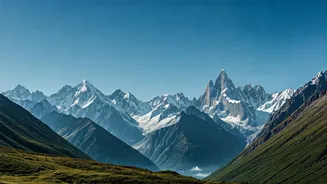
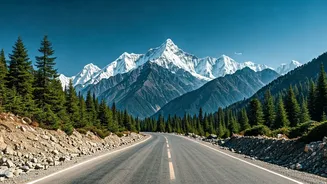
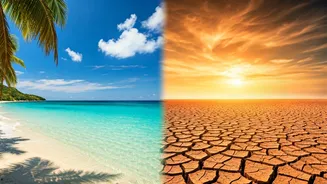
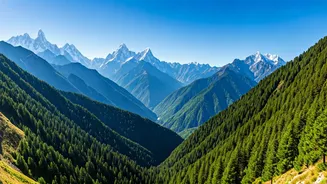
The destinations of choice are India’s “hill stations”—high-altitude towns, many originally developed by the British as retreats from the summer heat. Places like Shimla, Manali, Nainital, and Darjeeling, nestled in the Himalayan foothills, offer a natural antidote to the plains' oppressive climate. While Delhi is baking at 115°F, Shimla might be a pleasant 70°F. This stark temperature difference transforms these towns from quaint getaways into essential sanctuaries. The journey itself is a pilgrimage from one climate reality to another. Travelers leave behind cities where daytime activity is impossible and the threat of heatstroke is constant, arriving in places where they can walk outside, breathe fresh air, and sleep without the drone of an overworked air conditioner. This isn't a choice between a beach and the mountains; for many, it’s a choice between suffering and relative comfort.
The Hidden Costs of Cooling Off
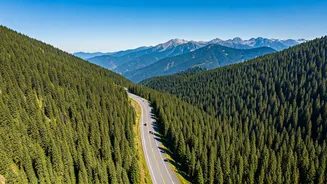
While this climate-driven tourism boom might seem like an economic blessing for mountain communities, it comes at a steep price. These small towns, with infrastructure designed for much smaller populations, are buckling under the strain. The sudden influx of tens of thousands of visitors leads to gridlocked traffic on narrow mountain roads, with cars backed up for miles. Local water supplies, already stressed, are pushed to the breaking point, leading to shortages for residents and tourists alike. Waste management systems are overwhelmed, threatening the pristine environments that people are flocking to in the first place. The 'relief' being sought by city dwellers is inadvertently creating a crisis for their hosts. This dynamic highlights the core of the headline: it’s not a luxury market. It's a frantic, often chaotic, search for basic habitability, and the destinations are struggling to cope with being the answer.
A Preview of Our Climate Future
What's happening in India is more than a regional travel trend; it's a real-time case study in climate adaptation and migration. As extreme weather events become more frequent and intense globally, we are likely to see similar patterns emerge elsewhere. Imagine residents of Phoenix or Las Vegas driving north for a month to escape a brutal summer, or coastal communities in the Southeast temporarily relocating inland during an unbearable hurricane season. This 'escape tourism' blurs the line between vacation and temporary relocation. It raises critical questions about equity—only those with the financial means can afford to flee—and infrastructure. If certain regions become seasonally uninhabitable, where will people go, and how will those destination communities handle the surge? India's annual heatwave exodus is a stark warning and a preview of a world where geography is not just about landscape, but about survival.