




Start with Smart Skin Hydration
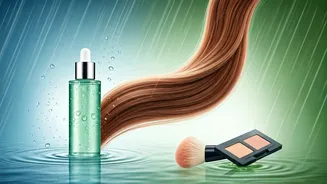
The foundation of a humidity-proof routine is switching your hydration philosophy from sealing moisture in to drawing it from the air. This is where humectants become your best friend. Ingredients like hyaluronic acid, glycerin, and aloe vera are moisture magnets.
When the air is saturated with water vapor (i.e., when it's humid), these ingredients pull that free moisture directly into your skin, giving you a plump, dewy look without heavy creams. Apply a hyaluronic acid serum to damp skin right after cleansing. The water on your skin gives the acid something to immediately bind to, and the humidity in the air will supercharge its effects throughout the day, keeping your skin hydrated and bouncy.
Choose a Lightweight Moisturizer
In dry winter air, a thick, occlusive cream is necessary to create a barrier that prevents moisture from escaping your skin. In a humid climate, that same heavy cream can feel suffocating and lead to clogged pores and excess shine. The air is already providing a moisture barrier for you. Your job is to supplement it lightly. Swap your rich cream for a gel-based or water-cream moisturizer. These formulas provide hydration without the heavy oils and waxes, sinking into the skin quickly and leaving a fresh, non-greasy finish. They work in harmony with your humectant serum, locking in that initial hydration while feeling completely weightless.
Lean into Cream and Liquid Makeup
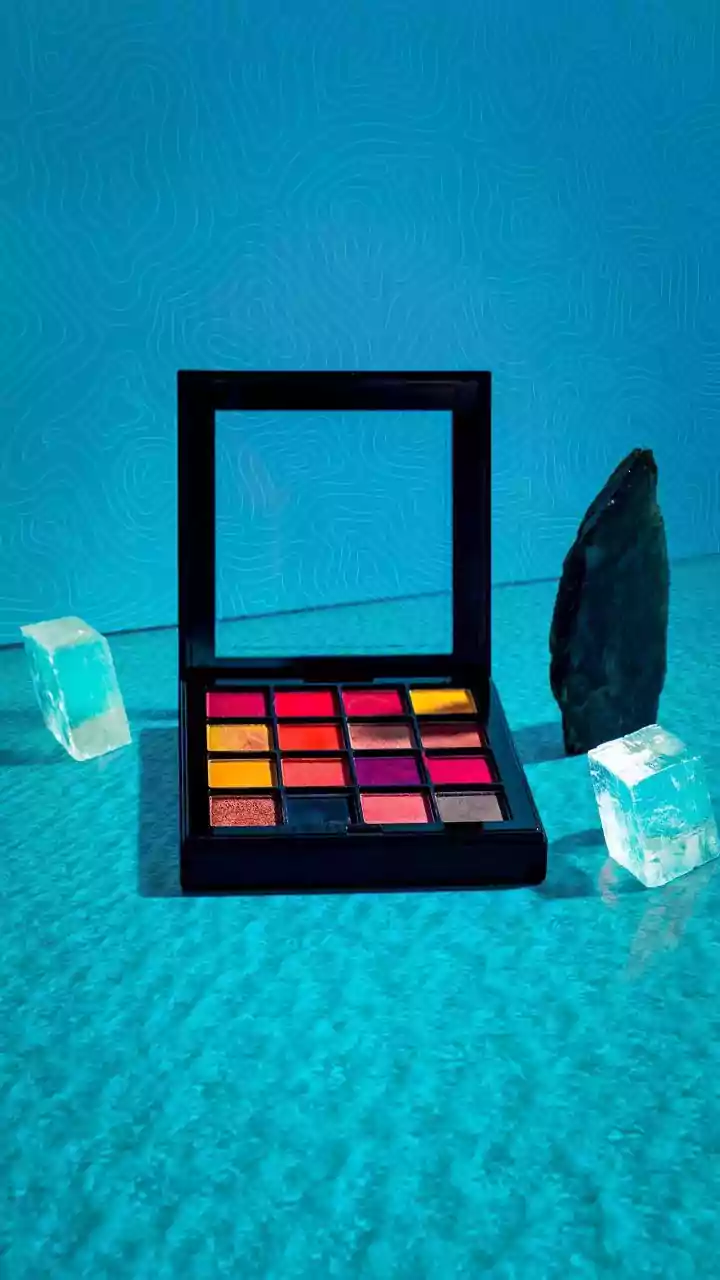
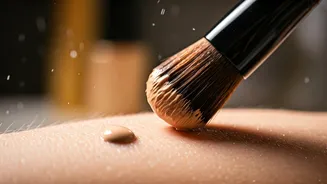
Trying to mattify your face into submission with heavy powders is a losing battle in high humidity. The moisture in the air will inevitably mix with the powder, creating a cakey, patchy texture. Instead, embrace the dew. Opt for cream blushes, liquid highlighters, and lightweight tinted moisturizers or skin tints. These formulas are designed to meld with your skin and create a natural, luminous finish that looks intentional, not oily. A cream blush blends seamlessly and gives a 'glow from within' look that powder just can't replicate in a steamy environment. If you must use powder, use it strategically. A light dusting of translucent powder on the T-zone is all you need.
Rethink Your Hair Cleansing Strategy
Frizz is often a cry for help. When hair is dry and stripped of its natural oils, its outer layer (the cuticle) lifts up, trying to grab moisture from the humid air. The result is an unruly, frizzy halo. The solution isn't to blast it with more drying products. Instead, focus on moisturizing it from the start. Consider swapping your standard shampoo, which may contain harsh sulfates, for a co-wash (cleansing conditioner) or a sulfate-free shampoo. This gently cleanses your hair without stripping it bare, allowing it to retain the moisture it needs. By keeping your hair properly hydrated in the shower, you reduce its desperate thirst for atmospheric moisture later on.
Seal the Deal with Strategic Oils
This may sound counterintuitive, but the right oil is your secret weapon against frizz. After your hair is properly moisturized with leave-in conditioner or cream, the final step is to seal the hair cuticle. A lightweight hair oil or anti-frizz serum does exactly that. By smoothing the cuticle down, it creates a barrier that prevents the hair shaft from swelling and absorbing excess moisture from the atmosphere. Just a drop or two warmed between your palms and smoothed over the mid-lengths and ends is enough. This locks in the hydration you've added and locks out the humidity you don't want, keeping your style sleek and defined instead of puffy and frizzy.