




What Exactly Is a 'Soft Urban Day'?
Imagine a travel day with no checklist. Instead of rushing between palaces and museums, you spend three hours in a single, beautifully designed cafe, reading a book or editing photos. You follow it with an aimless wander through a quiet neighborhood,
discovering tiny independent shops and art galleries. This is the essence of 'neuseunhan dosiui haru,' or 'a loose/soft day in the city.' Promoted by the Korea Tourism Organization, this trend is a deliberate move away from high-intensity sightseeing and toward a more gentle, restorative urban experience. It's about soaking in the atmosphere, prioritizing personal 'healing,' and finding beauty in the mundane moments—a philosophy resonating deeply with younger Koreans and a growing number of international visitors.
The Cultural Shift Away from 'Ppalli-Ppalli'
To understand the appeal of a soft urban day, you have to understand its opposite: South Korea’s famous 'ppalli-ppalli' (hurry, hurry) culture. For decades, this mindset of speed and efficiency fueled the nation’s rapid economic growth. It defined work, social life, and even leisure. But it also contributed to widespread burnout. The 'soft urban day' is a direct, conscious rebuttal to that relentless pace. It’s a form of self-care for a generation, particularly Millennials and Gen Z, who are redefining success to include mental well-being and a better work-life balance. For travelers, plugging into this mindset offers a more authentic, less stressful way to experience a country that is learning to slow down and breathe.
The Anatomy of the Day: The Cafe Pilgrimage
The heart of a soft urban day is often the cafe. In cities like Seoul and Busan, cafes are not just places for a quick caffeine fix; they are destinations in their own right. Each one is a meticulously curated world, from minimalist concrete galleries to spaces overflowing with floral arrangements or vintage furniture. Locals and tourists alike will travel across the city to visit a specific cafe, paying for the experience as much as the signature einspänner or matcha latte. Neighborhoods like Seoul's Seongsu-dong (the 'Brooklyn of Seoul') and Yeonnam-dong are famous for their high concentration of these aesthetic havens, where the goal is to linger, not just to leave.
The Anatomy of the Day: The Curated Wander
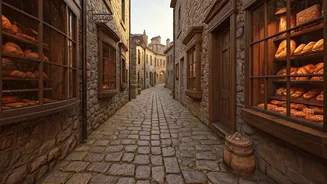
This travel style replaces a fixed itinerary with intentional wandering. It’s about choosing a neighborhood and simply exploring its alleys and side streets. Instead of heading to a massive department store, a 'soft' day might involve browsing an independent bookstore in the Hongdae area, discovering a small ceramics studio, or finding a shop that sells only one thing, like artisanal salt or handmade notebooks. This approach encourages a deeper connection with a place. You notice the architectural details, the local fashion, and the rhythm of daily life that are often missed when you're just moving between major tourist landmarks. It's about finding your own personal 'best-of' list, rather than following someone else's.
The Anatomy of the Day: Finding Green Space
Even in a megacity like Seoul, nature and quiet contemplation are key components of this trend. A soft urban day often incorporates time in a park, but without the pressure to 'do' anything. It might mean renting a picnic set—complete with a cute blanket, basket, and snacks—to enjoy along the Han River, a popular local pastime. Or it could be finding a quiet bench in Seoul Forest to people-watch or simply enjoy the feeling of the sun. These moments of stillness in a bustling urban environment are central to the 'healing' aspect of the trend, providing a peaceful counterbalance to the city's energy and allowing for a moment of true rest.