
The Great American Curry Myth
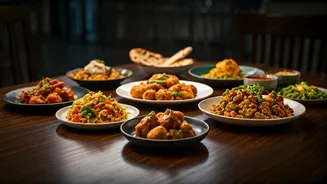
Let’s be honest: the Indian restaurant experience in the U.S. has been remarkably consistent for half a century. Most menus were interchangeable, dominated by the rich, creamy, tomato-based dishes of Punjab and North India. This wasn't by accident. When
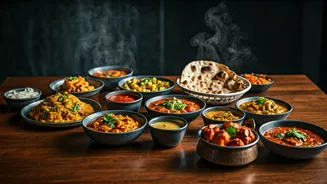
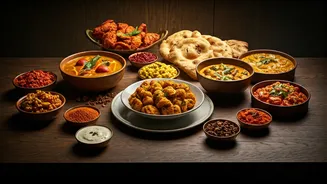
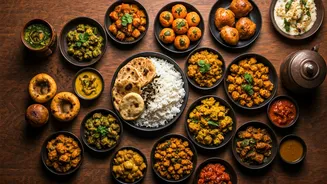
Indian immigrants, primarily from Punjab, began opening restaurants in the mid-20th century, they adapted their cuisine for Western palates, toning down heat and emphasizing milder, crowd-pleasing flavors. Dishes like butter chicken and tikka masala became global ambassadors. They were comforting, accessible, and created a brand for "Indian food." But India is a subcontinent with a culinary diversity as vast and varied as Europe's. Relying on Punjabi cuisine to represent all of India is like saying Italian food is the only European cuisine. This decades-long homogenization created a delicious but narrow culinary stereotype, one that a new generation of chefs is now joyfully dismantling.
A Journey Beyond North India
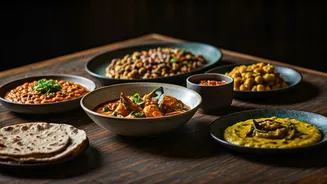
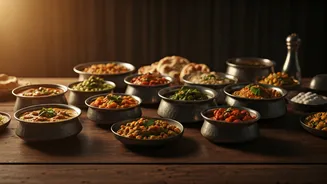
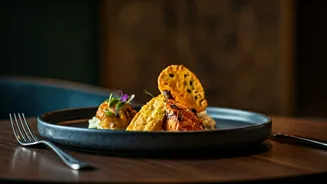
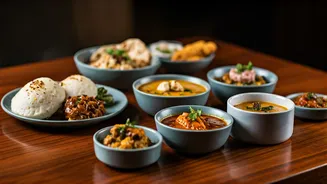
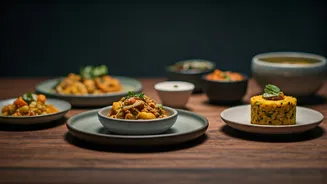
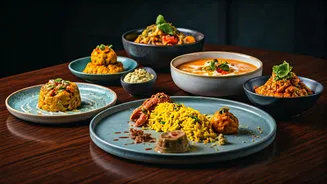
The new frontier of Indian dining in America is specificity. Chefs are no longer cooking a generic, pan-Indian menu. Instead, they are becoming culinary storytellers, championing the distinct food of their own home states. In cities like New York, San Francisco, and Chicago, restaurants are proudly advertising their menus as Bengali, Goan, Keralan, or Chettinad. This means diners are discovering dishes that were previously unknown outside of Indian homes. Think of the complex, mustard oil-laced fish preparations of Bengal, the coconut-and-tamarind-infused seafood curries of coastal Goa, or the fragrant, rice-based appam pancakes from Kerala, perfect for sopping up spicy stews. These are not just different recipes; they represent entirely different culinary philosophies, ingredient palettes, and cooking techniques. It’s a revelation that's as exciting for the adventurous American diner as it is validating for the Indian diaspora.
Why Now? The Perfect Storm
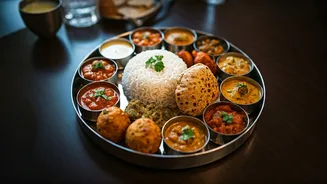
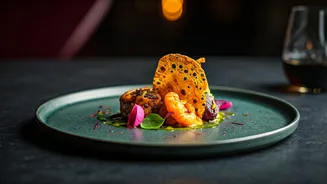
Several forces are converging to fuel this regional renaissance. First, second-generation Indian-American chefs are coming of age. Unburdened by the need to simply survive, they are using their culinary platforms to explore and express their heritage with confidence and creativity. They are cooking the food of their parents and grandparents, but often with fine-dining techniques and a commitment to high-quality, local ingredients. Second, the American palate has evolved. Decades of exposure to global cuisines, from Thai to Vietnamese to Mexican, have made diners more curious and adventurous. A fiery Chettinad pepper chicken or a sour, funky fish curry no longer feels intimidating; it feels exciting. Finally, social media plays a huge role. An eye-catching photo of a paper-thin dosa or a vibrantly colored thali can go viral, creating instant demand and proving to restaurateurs that there is a market for authenticity.
Food as Cultural Diplomacy
This movement is about more than just what's on the plate. It is a powerful form of cultural soft power. By moving past the monolithic curry-house stereotype, these restaurants are presenting a more nuanced, complex, and accurate portrait of India itself. Each dish tells a story about geography, history, trade routes, and religion. Eating a meal at a regional Indian restaurant is a geography and history lesson rolled into one. It communicates that India is not a single, homogenous culture but a vibrant tapestry of many. This shift challenges lazy stereotypes and builds a more sophisticated form of cultural understanding. When you appreciate the difference between a Hyderabadi biryani and a Kolkata biryani, you are, on a small but meaningful level, appreciating the diversity of India itself.