



From General Rules to Individual Blueprints
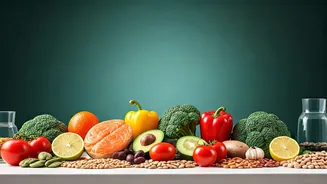
For decades, public health nutrition has relied on broad strokes: eat five servings of fruits and vegetables, limit saturated fat, and aim for a certain number of calories. This advice, while beneficial, was designed for an entire population, not for you
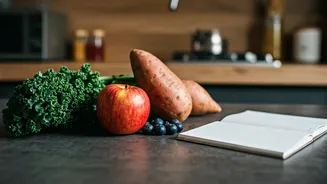
as an individual. It couldn't account for why a high-carb breakfast might leave one person energized and another person sluggish, or why your friend thrives on a diet that makes you feel bloated. The shift toward personalized nutrition starts with a simple but powerful premise: we are all biochemically unique. Our genetics, gut microbiome, lifestyle, and even our daily stress levels influence how our bodies process food. Instead of following a generic rulebook, the future of nutrition is about creating a personalized blueprint, moving from prescriptive guidelines to responsive, data-informed eating.
The Data-Driven Diet
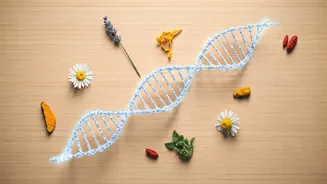
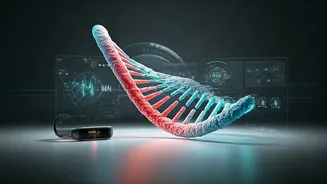
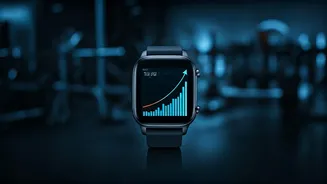
This new nutritional paradigm is powered by three key streams of personal data. First is real-time bio-feedback from wearables. Continuous Glucose Monitors (CGMs), once exclusively for diabetics, are becoming mainstream wellness tools. A small sensor on your arm can show you precisely how your blood sugar responds to a banana versus a bagel, helping you pinpoint foods that cause energy crashes or inflammation. This immediate feedback loop is revolutionary, turning abstract dietary advice into a concrete, observable reality. Second is the information encoded in our DNA. Nutrigenomics, the study of how genes affect our response to food, is moving from the lab to the consumer market. At-home DNA tests can offer clues about your predisposition to certain vitamin deficiencies (like B12 or D), your sensitivity to caffeine, or how efficiently you metabolize fats. While the science is still evolving and not yet a complete road map, it adds another critical layer of personalization, suggesting areas where you might need to pay closer attention.
The AI Nutritionist in Your Pocket
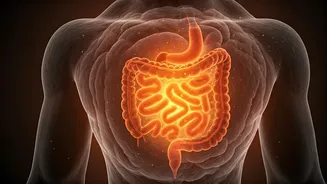
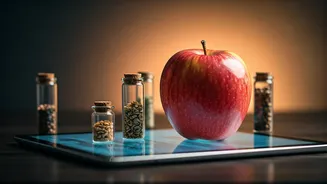
All this data—from your glucose monitor, DNA report, gut microbiome analysis, and fitness tracker—is complex. This is where Artificial Intelligence comes in. By 2026, AI-powered apps will be the primary interpreters, acting as a personal nutritionist that lives on your phone. Imagine an app that knows you have a genetic marker for low Vitamin D and notices you haven't been outside much this week. It might suggest a salmon dinner, add it to your grocery list, and even find a recipe. This AI can synthesize your real-time glucose data with your known food sensitivities to recommend a post-workout snack that replenishes energy without causing a sugar spike. It’s the convergence of biological data and smart technology that makes true personalization not just possible, but practical for daily life.
Not A Panacea, But A Powerful New Tool
This hyper-personalized future isn’t without its challenges. Accessibility and cost are significant hurdles; these technologies are not yet cheap. There are also valid concerns about data privacy and the potential for these tools to foster an unhealthy obsession with food, a condition known as orthorexia. The science, particularly in nutrigenomics, is still young, and it’s crucial to approach the results with curiosity rather than treating them as gospel. However, the trend is undeniable. The demand for more control and a deeper understanding of our own health is driving innovation forward. Personalized nutrition isn't about finding a single “perfect” diet. Instead, it’s about providing the tools to build a flexible, responsive, and ultimately more intuitive relationship with food.