








First, What Is Kachori Sabji?
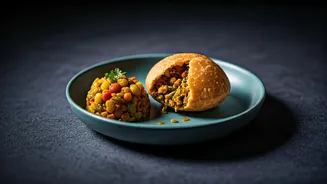
Before we get to the trend, let's break down the dish. At its heart, this is quintessential North Indian comfort food. The star is the *kachori*: a small, round, deep-fried pastry. But unlike a simple doughnut, this pocket of goodness is stuffed, typically
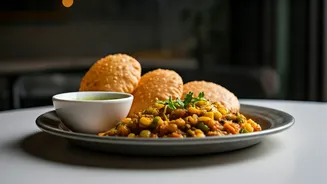
with a savory, spiced filling of ground lentils (*dal*) or peas. When fried, it puffs up, creating a shell that’s irresistibly crispy on the outside and tender on the inside. Then comes the *sabji* (or *subzi*), which translates to a vegetable dish but is so much more here. It’s a thin, intensely flavorful potato curry, often humming with spices like turmeric, coriander, and garam masala. It's soupy, tangy, and a little bit spicy—the perfect counterpart to dunk the dry, flaky kachori into. Eaten together, it’s a soul-warming symphony of texture and taste: the crunch of the pastry giving way to the soft, spicy potatoes.
The 'Banarasi' Soul of the Dish
The adjective “Banarasi” is key here. It means the dish originates from Banaras, the city officially known as Varanasi. One of India’s oldest and most sacred cities, Varanasi has a legendary street food culture, and kachori sabji is its signature breakfast. The Banarasi version is distinct. The sabji is often made without onions or garlic, a common practice in food prepared for religious offerings, giving it a unique, spice-forward flavor profile. It's traditionally served in a simple leaf bowl, a humble but iconic presentation. For generations, this has been the go-to morning meal for everyone from office workers to pilgrims, scooped up from a giant pot at a bustling street-side stall. It’s fast, cheap, and deeply satisfying—the kind of food that fuels a city. It’s a taste of history, a direct line to the culinary heart of old-world India.
From Street Stall to Cafe Platter
So, what is this rustic, working-class breakfast doing in Delhi's trendy, air-conditioned cafes, nestled on menus alongside flat whites and quinoa salads? This shift is about more than just food; it’s a cultural statement. As modern Indian cities grapple with globalization, there's a powerful counter-movement to reclaim and celebrate local heritage. Cafe owners are realizing that their clientele—young, well-traveled, and hyper-aware on social media—are craving authenticity. They don’t just want another burger; they want a connection to their roots, but served in a context that feels contemporary. The kachori sabji platter offers the perfect blend: the nostalgia of a beloved classic, presented with the clean, curated aesthetic of a modern eatery. It’s familiar, yet feels like a special discovery.
The Modern Makeover
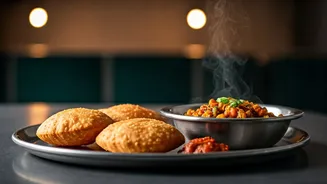
Of course, this isn't just a copy-paste job from the street. The cafe version gets an upgrade. Instead of a disposable leaf bowl, the dish arrives on a stylish ceramic plate or a rustic wooden board—the eponymous “platter.” The presentation is neat, photogenic, and perfect for Instagram. The focus is on hygiene and consistency, reassuring a new generation of diners who might be hesitant about traditional street food. The dish itself might be elevated with higher-quality ingredients or served with artisanal accompaniments, like a vibrant mint chutney or a perfectly spiraled *jalebi* (a sweet, fried dessert) on the side. The price point is higher, but it’s a fee for the experience: the comfortable seating, the ambiance, the Wi-Fi, and the undeniable cool factor of eating a piece of history in a thoroughly modern setting.