

The Festival on Your Feed
Every April, the state of Assam in northeastern India erupts in celebration for Bohag Bihu, also known as Rongali Bihu. It’s a vibrant harvest festival marking the Assamese New Year, a time of thanksgiving for the past year's bounty and prayers for a prosperous
one to come. More than just a religious or agricultural event, Bihu is a cultural touchstone, a week-long affair filled with folk songs, traditional dance, and, most importantly, food. While you may not be able to hear the beat of the dhol drum or see the swift movements of the Bihu dance in person, the festival's most delicious traditions are now making a cross-continental journey, thanks to social media. The Assamese diaspora and a new generation of food bloggers are proudly showcasing their heritage, one stunning photo and heartfelt caption at a time.
Meet the Pitha: A Celebration in a Cake
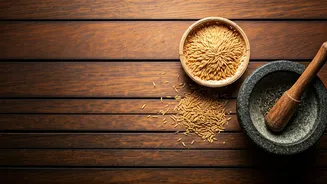
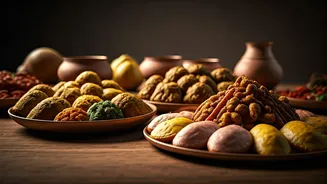
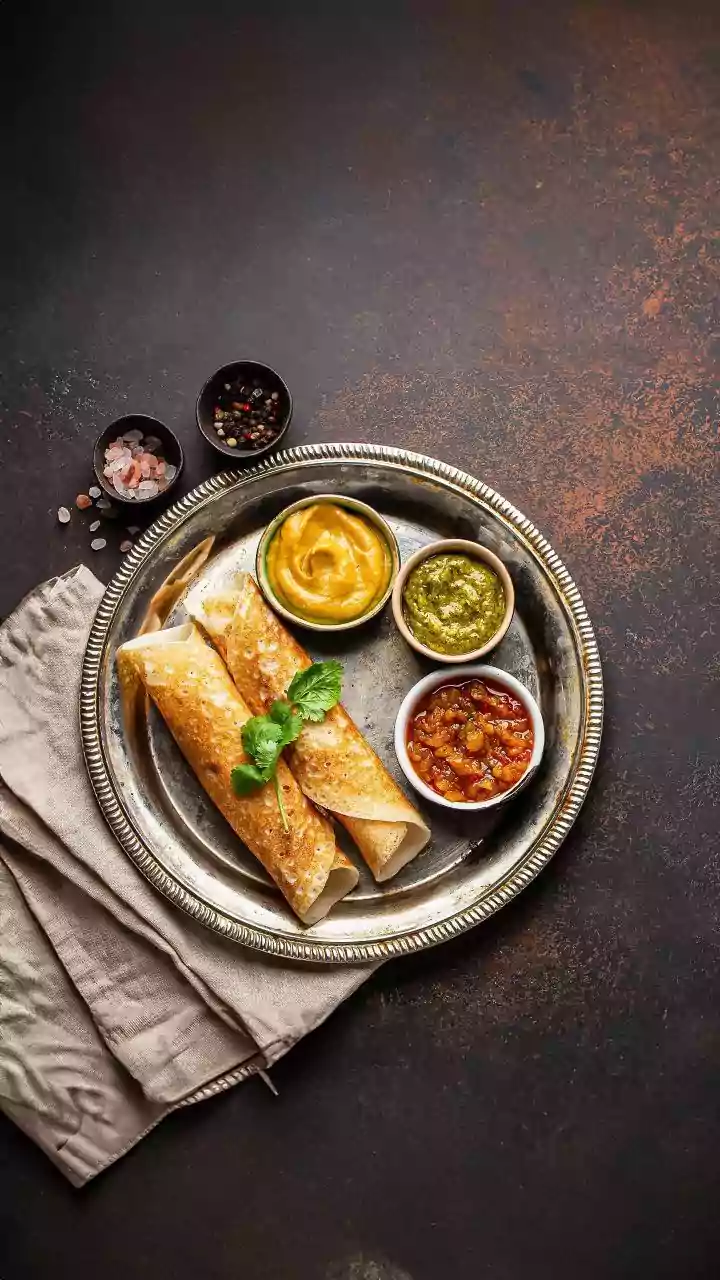
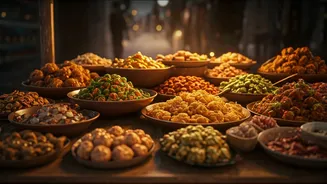
At the heart of Bihu's culinary traditions is the pitha, a category of rice cakes that are as diverse as they are delicious. Forget everything you think you know about rice cakes. These are not the styrofoam-like discs from the snack aisle. Assamese pithas are masterclasses in texture and flavor, crafted from freshly ground rice flour, coconut, and jaggery (a traditional unrefined cane sugar with a molasses-like richness). There’s the Til Pitha, a thin, rolled crepe filled with a sweet mixture of roasted black sesame seeds and jaggery. Then there’s the Ghila Pitha, a fluffy, deep-fried pancake that’s slightly sweet and impossibly moreish. Others are steamed in bamboo hollows or wrapped in turmeric leaves, infusing them with a subtle, earthy aroma. Each family has its own treasured recipes, and the sharing of pithas among neighbors is a cornerstone of the festival’s spirit of community and renewal.
Beyond Sweets: The Savory Soul of Assam
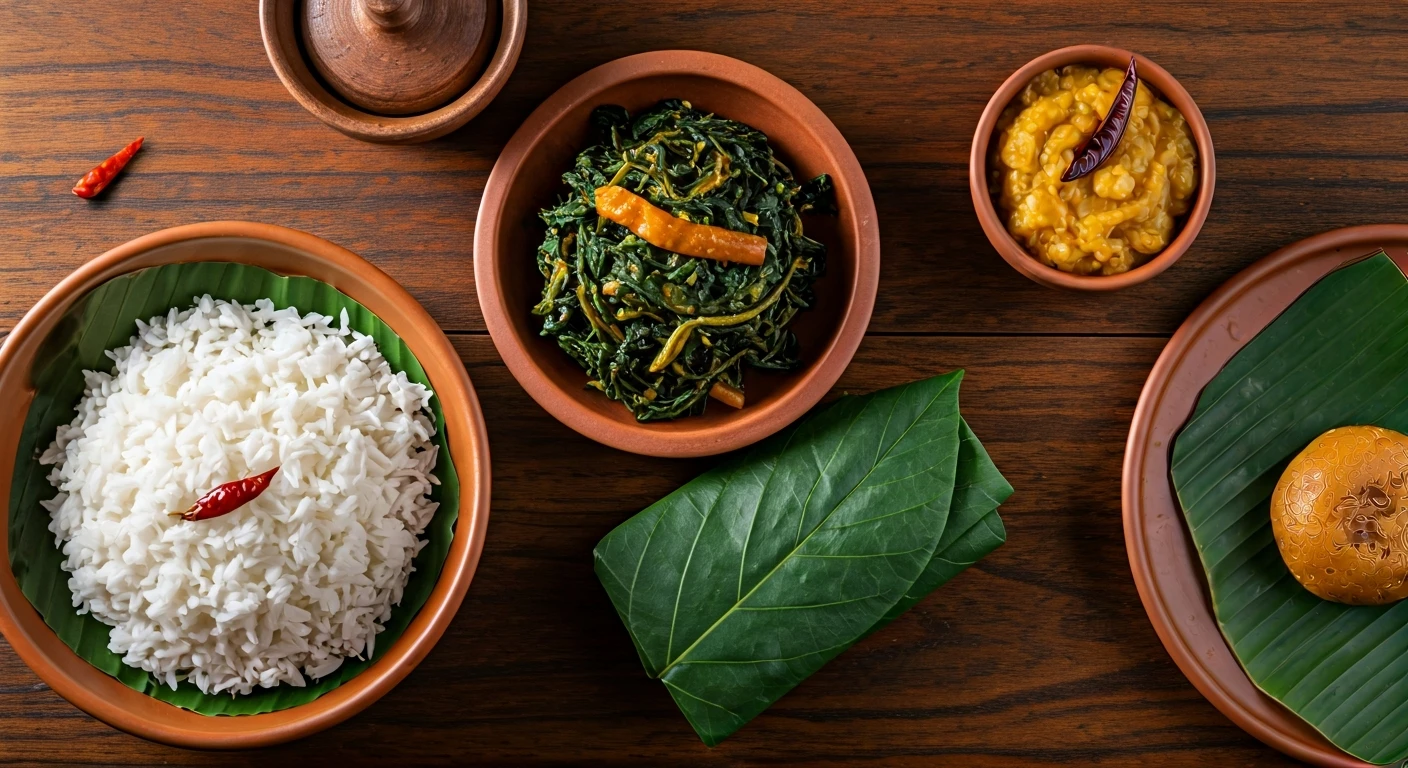
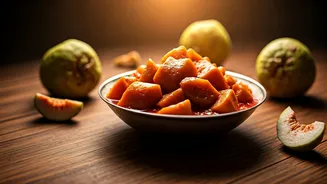
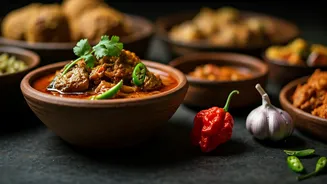
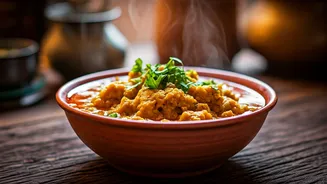
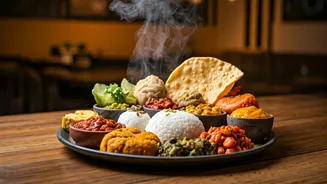
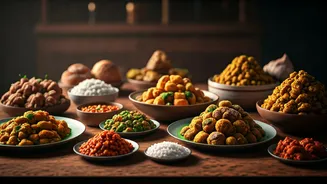
While the photogenic pithas might be the first thing to catch your eye, the savory side of Bihu is where the soul of Assamese cuisine truly shines. A quintessential festive meal often includes Masor Tenga, a tangy and light fish curry that is a staple across the state. The sourness, which is the defining characteristic of the dish, comes from ingredients like tomatoes, elephant apple, or dried mangosteen, creating a refreshing counterpoint to the region’s humidity. Another Bihu tradition involves preparing Xaak, a dish made with a variety of seasonal leafy greens. Some traditional recipes call for a mix of 101 different types of greens, symbolizing a prayer for health and a connection to the wild, foraged bounty of the land. These dishes speak a language of freshness, seasonality, and a deep respect for local ingredients—principles that resonate with food lovers everywhere.
From Assam to the Algorithm
So how did a regional Indian festival’s food end up on your phone in Des Moines or San Diego? The answer lies in the power of digital storytelling. For members of the Assamese diaspora living across the U.S. and the world, Bihu is a powerful connection to home. Cooking and sharing these festive foods becomes an act of cultural preservation. On platforms like Instagram, they share not just the finished dish but the entire process: the grinding of rice, the grating of coconut, the stories their grandmothers told them. These authentic, personal narratives are far more compelling than generic food content. The algorithm, which rewards engagement and vibrant visuals, picks up on this authenticity. Suddenly, a dish that was once known only in a specific corner of the world is being discovered, appreciated, and even attempted by a global audience hungry for new flavors and genuine cultural experiences.