




Assam: The Land of Monsoon Mysticism
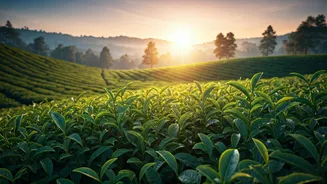
Picture India’s northeast, a region of emerald tea plantations and the mighty Brahmaputra River, drenched in the life-giving rains of the monsoon. This is Assam in June, and it's here that one of India’s most powerful and esoteric festivals takes place:
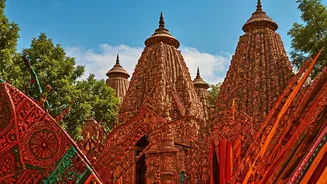
the Ambubachi Mela. Held at the Kamakhya Temple in Guwahati, this annual gathering is a pilgrimage for thousands of tantrics, ascetics (sadhus), and devotees who come to honor the earth's fertility. The temple, one of the most revered Shakti Peeths in Hinduism, closes for several days to observe the goddess's annual menstruation. When it reopens, the atmosphere is electric. The air is thick with incense, chanting, and an energy that feels both ancient and immediate. For a culture traveler, it’s not just a spectacle; it's a profound window into a side of Hindu spirituality rarely seen by outsiders, one that is deeply connected to nature, feminine power, and the cycle of life itself.
Assam: Beyond the Festival
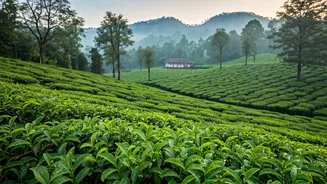
While the Ambubachi Mela is the main event, Assam’s allure in June extends far beyond the temple gates. The monsoon transforms the entire state into a lush, vibrant landscape. This is the perfect time to explore the world-famous tea estates around Jorhat and Dibrugarh, where the rain-washed leaves seem to glow. The mist hanging over the hills creates a dreamlike, cinematic quality. While wildlife sightings in Kaziranga National Park are limited due to closures, the focus shifts to the region’s powerful natural beauty and the rhythm of life along the river. A boat ride on the Brahmaputra during a break in the rain offers a humbling perspective on the scale and power of nature. It’s a contemplative, immersive experience that stands in stark contrast to the chaotic energy of India's major cities, offering a journey into the country's green heart.
Goa: A Joyful Leap of Faith
Now, let’s travel to the opposite side of the country. When Americans think of Goa, they usually picture sun-baked beaches and all-night parties in December. But visiting in June reveals an entirely different, and arguably more charming, side of the state. As the monsoon arrives, Goa celebrates São João, the feast of St. John the Baptist. This is not a somber religious affair; it's a joyous, slightly mad carnival of water. Locals, wearing vibrant floral crowns called 'copels,' sing, dance, and—in a symbolic re-enactment of John the Baptist's leap in his mother's womb—jump into overflowing wells, streams, and pools. It’s a festival of pure, unadulterated community spirit. Travelers are often welcomed to join in the festivities, sharing homemade feni (a local spirit) and soaking in the exuberant atmosphere. It’s a unique cultural experience that shatters the stereotype of Goa as just a beach destination.
Goa: The Soulful Off-Season Charm
Beyond the São João festival, the monsoon is the key that unlocks Goa’s soul. The tourist hordes are gone, the beaches are wild and empty, and the state settles into a peaceful, green slumber. This is the time to explore its rich Portuguese heritage without the crowds. Wander through the colorful, winding lanes of Fontainhas, Panjim’s Latin Quarter, where the colonial architecture feels even more romantic in the soft, misty light. Visit a spice plantation, where the scent of cardamom, vanilla, and pepper hangs heavy in the humid air. The food scene also thrives, with cozy restaurants serving up hearty Goan fish curries and other delicacies perfect for a rainy day. Visiting Goa in June is for the traveler who wants to connect with a place on its own terms, enjoying the quiet moments, the vibrant culture, and the dramatic beauty of the coast reclaimed by nature.