






From Table Scraps to Tailored Diets
For generations, the concept of 'pet food' in many Indian households was simple: leftovers. Dogs and cats often subsisted on rice, roti (flatbread), milk, and whatever else was available from the family kitchen. Commercial pet food was a niche product,
often seen as an unnecessary luxury. But that's changing, and fast. Driven by a surge in pet ownership, particularly among urban millennials and Gen Z, the Indian pet care market is booming. With this boom comes a dramatic shift in mindset. The new Indian pet parent doesn't just see a dog; they see a family member who deserves a carefully planned, nutritionally balanced diet. This has kicked off a wave of consumer consciousness that looks remarkably similar to what has swept the United States over the past decade.
The Rise of the 'Fur Baby'
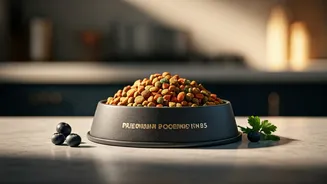
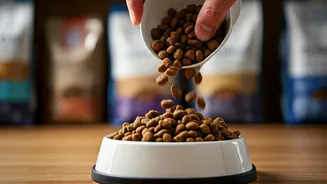
The core driver of this trend is what industry analysts call the “humanization” of pets. As disposable incomes rise and household sizes shrink in India's cities, pets are increasingly filling a central emotional role. They aren't just guard dogs or mousers; they're 'fur babies' who sleep in the bed, have their own social media accounts, and receive the same level of care and concern as any other family member. This emotional investment directly translates to spending. When you see your pet as a child, you don’t feed them junk. Instead, you start asking questions. What’s in this kibble? Are there artificial preservatives? Is it grain-free? Is this brand vet-approved? This shift is creating a massive opportunity for premium and specialized pet food brands, both domestic and international, that can cater to this newfound demand for quality and transparency.
Decoding the Ingredients List
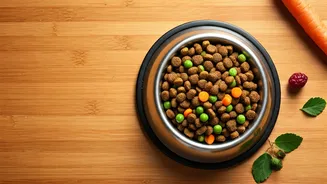
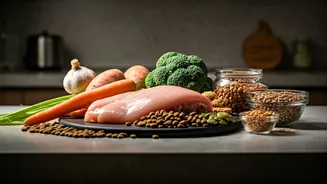
So, what are these discerning Indian pet parents looking for? Much like their American counterparts, they’re becoming fluent in the language of pet nutrition. They’re suspicious of vague terms like “meat by-products” and are instead seeking out products that list whole proteins like chicken or salmon as the first ingredient. The internet and social media have been huge catalysts. Indian pet owners are forming online communities on Facebook and WhatsApp to share advice, review products, and discuss their pets’ dietary needs. Vets, too, are playing a more prominent role, educating clients about the link between diet and long-term health, steering them away from home-cooked meals that may lack essential nutrients and toward scientifically formulated options. Words like “natural,” “organic,” and “hypoallergenic” are gaining serious traction, pushing manufacturers to clean up their labels and innovate.
A Mirror to the American Market
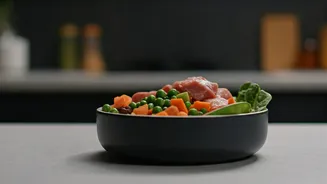
If this all sounds familiar, it should. The evolution of the Indian pet food market is like watching a replay of the American market’s last 15 years, but on fast-forward. In the U.S., a similar awakening turned small, ingredient-focused brands like Blue Buffalo into billion-dollar giants and gave rise to a whole new category of fresh-food subscription services like The Farmer's Dog. The American consumer learned to be skeptical of legacy brands and demand better for their pets. India is now on that same path. While the market is still much smaller, its trajectory is clear. This isn't just about selling more bags of kibble; it's about meeting a new, emotionally-driven consumer need for trust, wellness, and the very best for a beloved companion.