



Beyond the Bucket List
For decades, the classic vacation involved a frantic dash between monuments, museums, and must-see sights. You’d collect photos, check boxes, and return home exhausted, with a camera full of memories but perhaps little personal connection to the place
you just visited. That model is being rewritten. A new travel philosophy, often called 'passion travel' or 'hobby-based tourism,' is taking hold, and India’s burgeoning travel market is at the forefront of this evolution. Instead of asking 'What should I see?', travelers are asking 'What can I do?'. The destination is no longer just a backdrop; it’s the setting for an experience deeply tied to a personal interest. This isn’t about escaping life, but about enriching it—learning a skill, diving deep into a subject, or connecting with a community of like-minded people. It’s a shift from passive consumption to active participation.
The Culinary Quest
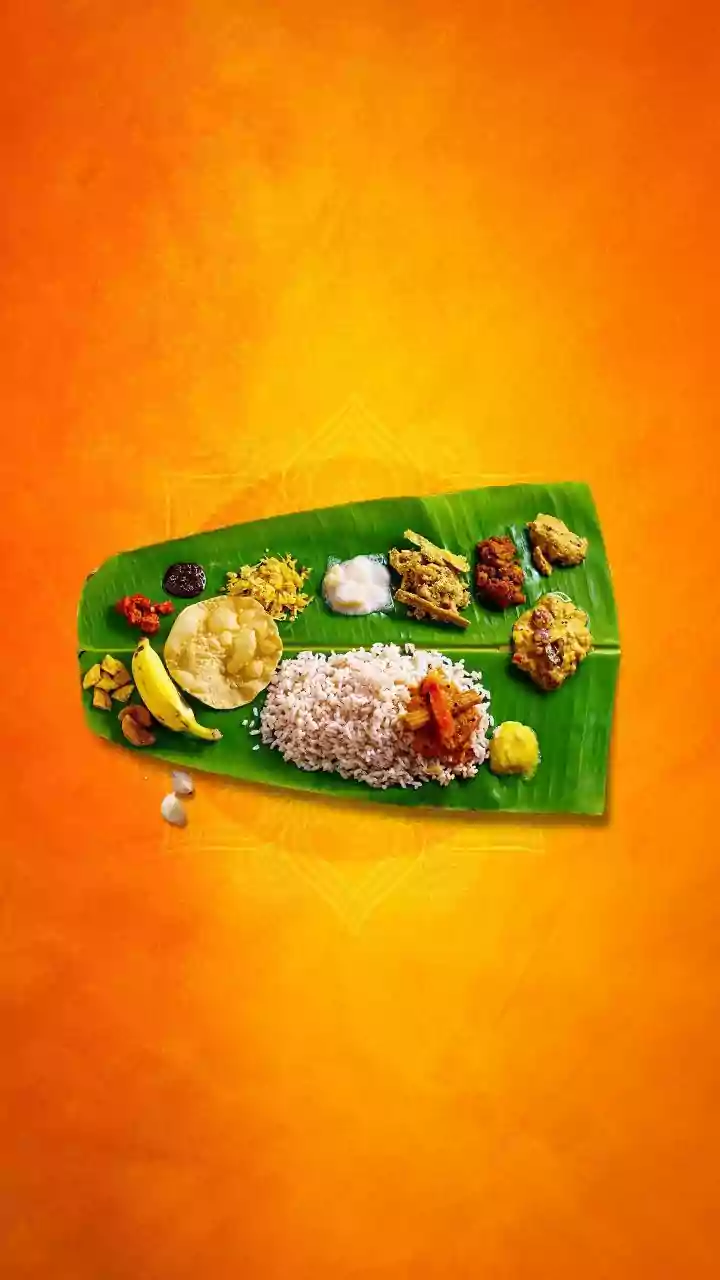
One of the most popular forms of passion travel is the food trail. This goes far beyond just booking a reservation at a fancy restaurant. Imagine a trip built entirely around your taste buds. For travelers in India, this could mean a multi-day journey through Kerala to trace the ancient spice routes, learning to distinguish between varieties of cardamom and pepper right at the source. It could be a tour of West Bengal’s sweet shops during Durga Puja, understanding the cultural significance behind every dessert. Others are booking trips to Coorg for 'bean-to-cup' coffee experiences on lush plantations, or heading to the Himalayan foothills of Darjeeling to master the art of tea tasting with experts. These aren't just meals; they are immersive culinary narratives where every dish tells a story about history, agriculture, and local identity. The souvenir isn't a trinket; it's a new recipe or a finely tuned palate.
Literary and Artistic Pilgrimages
The new travel trend also extends into the arts and humanities. 'Bookish trips' are becoming a significant niche for literary-minded travelers. These tours bring fiction to life by guiding participants through the real-life landscapes that inspired famous novels, from the bustling lanes of Old Delhi described in William Dalrymple’s histories to the charming hill stations immortalized by author Ruskin Bond. It’s a way to walk in the footsteps of beloved characters and authors, adding a layer of meaning to every cobblestone street and misty mountain view. Beyond books, travelers are signing up for photography workshops in the dramatic landscapes of Ladakh, yoga and meditation retreats in the spiritual hub of Rishikesh, and even textile tours in Rajasthan to learn ancient block-printing techniques from master artisans. These trips provide more than a simple getaway; they offer a chance for creative and personal growth.
The 'Why' Behind the Wanderlust
So, what’s driving this profound shift? It's a mix of economic and psychological factors. India’s growing middle and upper-middle classes have more disposable income and are looking for unique ways to spend it. After two years of pandemic-related restrictions, there’s a pent-up demand for travel that is meaningful and restorative, not just distracting. Social media also plays a role, but in a new way. While the 'Instagrammable' shot is still a factor, the focus has moved from posing in front of a landmark to showcasing a unique skill or authentic experience. A photo of you learning to cook a regional delicacy has more social currency than another picture of the Taj Mahal. This reflects a broader, global post-COVID desire to collect experiences, not just things, and to invest in personal fulfillment over performative displays of leisure. It’s about building a life story that’s interesting to live, not just to tell.