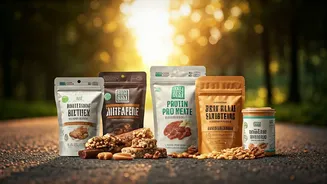









The Rise of the Everyday Athlete
Not long ago, running was bifurcated. You had elite, impossibly fast marathoners, and then you had casual joggers. Today, that gap has been filled by a massive new demographic: the “everyday athlete.” Thanks to fitness trackers, social media, and a wellness-obsessed
culture, millions of Americans now approach their morning run with the mindset of a pro. They track their pace, heart rate, and elevation gain. They follow training plans. They talk about “negative splits” and “cadence”. This new seriousness isn’t about winning races; it’s about personal optimization and identity. Running is no longer just exercise; it's a project. People share their Strava stats like trophies and post sweaty selfies as badges of honor. This shift has fundamentally changed what runners want and need, creating a massive market for products that promise to enhance their performance and validate their efforts.
Protein Sheds its Bodybuilder Image
Simultaneously, protein has undergone its own rebranding. For decades, it was the exclusive domain of hulking bodybuilders chugging chalky powders from giant tubs. The word “protein” conjured images of niche gym culture, not mainstream wellness. But over the last decade, that perception has completely flipped. Marketers successfully repositioned protein as a tool for everyone. It became synonymous with satiety for weight management, muscle repair for active lifestyles, and a key component of a “clean” diet. Food companies responded by infusing protein into everything: yogurt, cereal, cookies, chips, and, most successfully, snack bars. The protein bar evolved from a dense, flavorless brick sold at supplement shops into a gourmet, grab-and-go snack available in every supermarket and gas station. It became the acceptable, healthy-ish answer to a 3 p.m. slump or a post-workout craving.
A Perfect Cultural Intersection
This is where the two trends collide with explosive force. The new generation of data-driven runners is obsessed with recovery. They know that the 23 hours of the day when they aren’t running are just as important as the one hour they are. And what’s the golden rule of post-exercise recovery? Consuming protein to repair and rebuild muscle tissue. This created a perfect storm. Runners, who were already tracking every metric of their performance, were primed to believe that the right post-run snack could give them an edge. And the food industry was ready with a dazzling array of convenient, tasty, protein-packed options. The post-run protein snack became a ritual. It’s a moment of reward, a tool for optimization, and a signal to oneself and others: “I am a serious runner who takes my recovery seriously.” Brands from Gatorade to smaller startups like Verb or RXBAR have leaned in, marketing their products not just as snacks, but as essential pieces of athletic equipment.
Beyond the Goo and Gels
The conversation around running fuel used to be exclusively about what you consumed *during* the run—carbohydrate gels, chews, and electrolyte drinks designed for immediate energy. That market still exists, but the far bigger cultural conversation is now happening around the post-run recovery window. It’s a moment ripe for consumerism and social sharing. A photo of a gooey energy gel isn’t particularly appealing, but a picture of a sleekly packaged protein bar next to a pair of running shoes and a GPS watch tells a powerful story about discipline and modern wellness. This has also shifted the financial calculus. While a runner might use a few energy gels per week during a training block, the post-run protein snack is a daily opportunity for a brand to become part of a consumer’s routine, creating far more loyalty and spending.