







The Sun-Kissed Symbol of Celebration
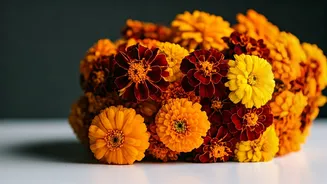
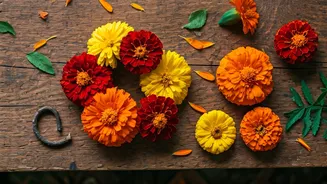
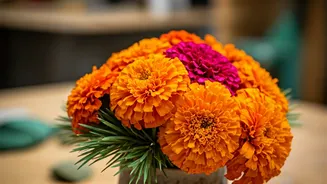
In many cultures, especially across South Asia, marigolds are more than just a pretty flower. Their bright orange and yellow hues, often called “the color of the sun,” symbolize positivity, new beginnings, and the divine. During festivals like Diwali,
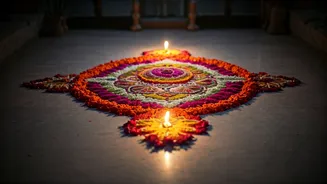
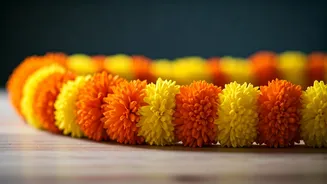
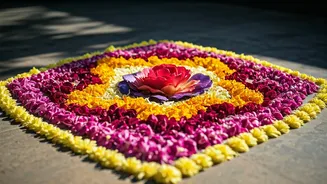
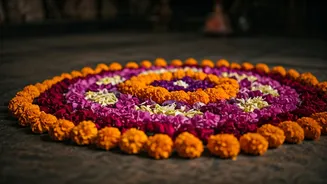
the Hindu festival of lights, or at weddings and religious ceremonies, these flowers are everywhere. They are strung into dense, fragrant garlands (mala), scattered as offerings in temples, and used to create intricate patterns (rangoli) on the ground. The marigold, or *genda phool*, is an essential thread in the fabric of celebration, believed to bring good fortune and ward off evil spirits. For millions, its scent and color are synonymous with joy and devotion.
An Unintended Consequence of Devotion
But this widespread reverence creates an enormous environmental challenge. Every day, tons of flowers are offered at temples across India and other parts of Asia. Once their ritual purpose is served, these sacred offerings become waste. Historically, this floral waste was often disposed of in rivers and other water bodies. While the intention might be to return something natural to nature, the reality is far more damaging. The sheer volume of decaying flowers, often laden with pesticides, can deplete oxygen levels in the water, harming aquatic life and polluting vital resources. This creates a paradox where an act of faith inadvertently contributes to environmental degradation.
From Sacred Waste to Sustainable Art
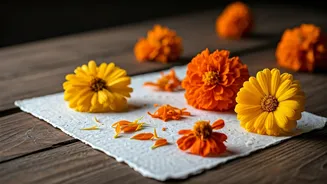
This is where ingenuity and sustainability intersect. A growing movement, often led by innovative social enterprises, is focused on “flowercycling.” Instead of letting them pollute waterways, these organizations collect tons of discarded temple flowers. The process is meticulous. The flowers are sorted, cleaned of any non-organic material, and then the petals are separated. From there, they can be sun-dried or dehydrated through other methods to preserve their color and texture. This isn't just composting; it's upcycling. The preserved petals become a raw material for a whole new class of eco-friendly products, transforming what was once considered waste into something of value and beauty.
The Rise of the Eco-Chic Workshop
One of the most exciting applications of this trend is the rise of sustainable floral arrangement workshops. These hands-on classes are gaining popularity among those who want to blend creativity with conscious living. Instead of using fresh-cut flowers that have a short lifespan and a significant carbon footprint from transportation and refrigeration, participants work with these beautiful, upcycled marigold petals and other dried botanicals. Instructors guide them in creating stunning, long-lasting arrangements, wreaths, and other festive decor. The appeal is twofold: you get to create something unique and beautiful for your home, and you do it with materials that tell a powerful story of renewal and respect for the environment. It’s a tangible way to participate in a circular economy while connecting with a rich cultural tradition.
A Trend with Roots
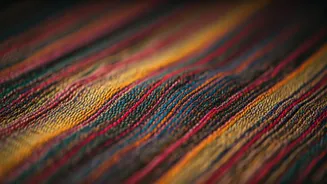
While workshops are a creative public-facing element, the innovation doesn't stop there. This upcycling movement has spawned a range of other sustainable goods. The dried petals are compressed into fragrant incense sticks and cones, ground into natural fabric dyes, and even used to create innovative materials like a durable, biodegradable vegan leather. This holistic approach not only tackles a waste problem but also creates employment, particularly for marginalized women in India who are often employed to collect and process the flowers. For consumers in the U.S. and elsewhere, this trend offers a chance to engage with products and experiences that are not only beautiful but also ethically and environmentally sound. It's a reminder that sustainability can be vibrant, fragrant, and deeply meaningful.