
The Old Brag Is Over
For years, being a “foodie” meant something specific. It involved snagging reservations at impossible-to-book restaurants, name-dropping chefs, and debating the merits of sous-vide versus open-fire grilling. The flex was external—it was about access,
expense, and a certain kind of performative connoisseurship. The pandemic, however, forced a hard reset. Confined to our homes, the culinary world turned inward. The new frontier of food exploration wasn't a trendy bistro; it was our own pantry. This shift cracked the door open for a more democratic, personal, and, frankly, more interesting kind of food culture to emerge. Suddenly, the ability to nurture a sourdough starter held more weight than a photo of a $30 appetizer. And in this new landscape, a different kind of culinary prowess began to shine: the mastery of heritage, home-cooked recipes.
From 'Smelly Lunch' to Viral Sensation
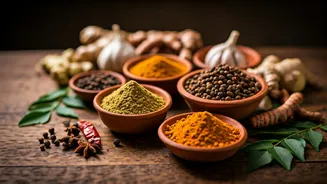
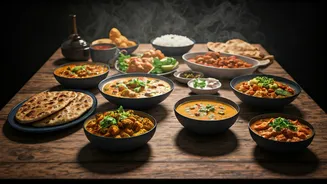
For many second-generation Desi Americans—children of immigrants from India, Pakistan, Bangladesh, and other South Asian countries—this trend is about more than just food. It’s a powerful act of reclamation. An entire generation grew up navigating a cultural tightrope, many feeling embarrassed by the fragrant, spice-rich lunches their parents packed, which stood in stark contrast to their classmates’ sandwiches and Lunchables. That turmeric-stained container of dal or flavorful biryani was often a source of anxiety, a visible, smellable marker of difference. But today, those same dishes are going viral. A scroll through TikTok or Instagram reveals a vibrant wave of creators proudly showcasing the exact meals they once hid. They’re not just sharing recipes; they're sharing stories of identity. They’re teaching their followers how to make the perfect, puffy roti, explaining the intricate layers of a family biryani recipe, and demystifying the art of the *tarka* (the sizzling, seasoned oil that finishes many dishes). This isn’t just cooking; it’s a confident declaration: 'This is my food, my culture, and it’s amazing.'
The Power of Specificity
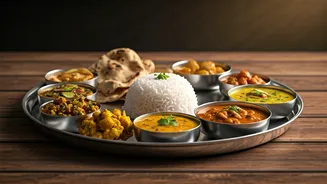
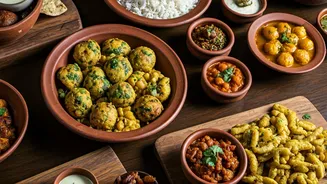
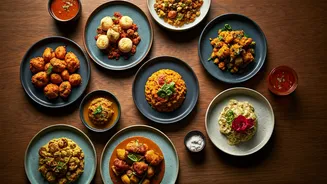
The new Desi food flex isn’t about a generic, one-size-fits-all “curry.” It’s rooted in radical specificity. The real status isn’t just knowing how to make Indian food; it's showing the nuances that exist within the subcontinent’s vast culinary map. It’s the difference between a creamy, tomato-based Punjabi butter chicken and a tangy, coconut-rich Keralan fish curry. It’s the mastery of a regional specialty like Gujarati *dhokla* or a family-perfected Hyderabadi Haleem. This specificity dismantles the Westernized, monolithic idea of “Indian food” that has long dominated the American restaurant scene. It pushes back against a world where every dish is expected to be sweet, creamy, and mild. Instead, it celebrates the sour, the spicy, the bitter, and the complex—the true flavors of home. By showcasing these hyper-regional and personal recipes, creators are educating a global audience and, in the process, validating the authenticity of their own family kitchens.
Why Now? The TikTok Effect
So, why is this happening now? The confluence of pandemic-era home cooking and the rise of short-form video created the perfect storm. Platforms like TikTok and Instagram Reels are tailor-made for this movement. A 60-second video can beautifully capture the mesmerizing process of dough being rolled, spices hitting hot oil, or a perfectly executed dosa flip. These platforms reward authenticity and personality. Unlike the glossy, intimidating perfection of old-school food media, this new wave is relatable. It’s often filmed in real home kitchens, sometimes with a parent or grandparent guest-starring in the background. The aesthetic is less about professional polish and more about genuine connection. It provides a direct line from a Desi family’s kitchen to a viewer’s screen, creating a sense of intimacy and shared experience that a traditional cookbook or TV show struggles to replicate. It has transformed culinary knowledge from a guarded secret into a celebrated, shareable art form.