









A Backlash Against 'More'
For years, the global beauty narrative was one of accumulation. Influenced heavily by the multi-step Korean beauty craze, consumers were encouraged to layer serums, essences, ampoules, and creams. But in India, a powerful counter-movement is taking hold.
Often called 'skinimalism,' this trend isn't just about using fewer products; it's a conscious rejection of overwhelming routines and a market saturated with confusing choices. Indian consumers, particularly millennials and Gen Z, are growing weary of the time, expense, and potential for skin irritation that comes with a maximalist approach. They are seeking efficacy and simplicity, leading a shift back to basics that feels both modern and distinctly Indian.
Ayurveda, But Make It Modern
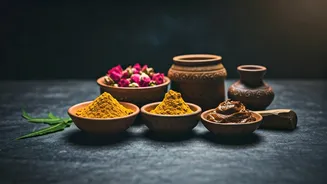
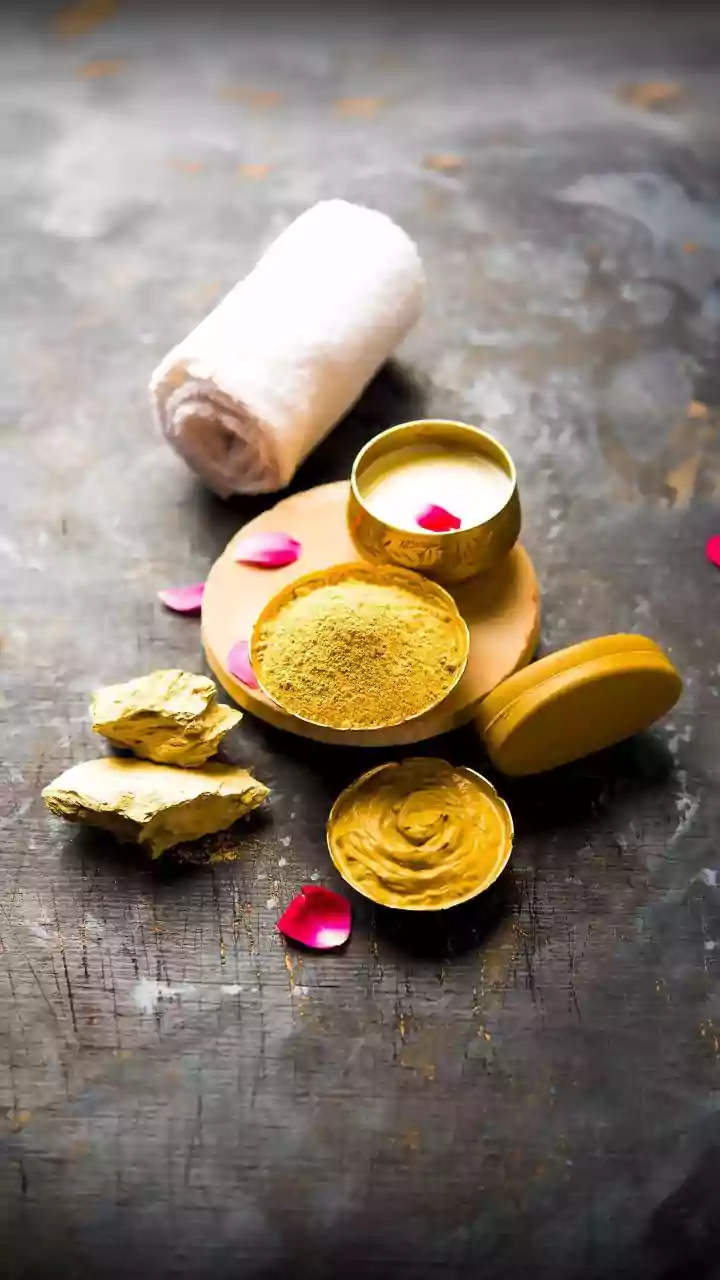
This isn’t just about minimalism for its own sake. At the heart of this trend is a renewed appreciation for Ayurveda, the ancient Indian system of holistic medicine. Ingredients that have been staples in Indian households for centuries are now the heroes of this new beauty wave. Turmeric (haldi) for its anti-inflammatory properties, sandalwood for soothing, neem for its antibacterial benefits, and ashwagandha for its adaptogenic qualities are moving from the kitchen and grandmother's remedy book to the front of the bathroom shelf. What’s different now is the presentation. These traditional ingredients are being formulated into sophisticated, scientifically-backed products that appeal to a new generation—one that values its heritage but also demands the convenience and proven results of modern skincare.
The Rise of Local Champions
This cultural shift has been supercharged by a boom in homegrown, direct-to-consumer (D2C) brands. For decades, the Indian beauty market was dominated by large international corporations. Now, a wave of local startups is capturing the nation’s attention by speaking a language of authenticity that global giants often struggle with. Brands like Forest Essentials, Kama Ayurveda, and a host of newer online players are building their identity around 'clean,' natural, and transparently sourced Indian ingredients. They use social media to tell compelling stories about their origins and formulations, connecting with consumers who are increasingly interested in supporting local businesses and celebrating a modern Indian identity. This has created a dynamic and competitive market where heritage is the new cutting edge.
More Than Just Skin Deep
Ultimately, the turn toward simple beauty routines in India reflects a broader cultural current. It’s tied to a growing wellness movement that prioritizes mental and physical health over purely aesthetic goals. A simple, mindful routine is seen as an act of self-care, a moment of calm in a fast-paced world. It also represents a burgeoning confidence in local traditions and wisdom. As India's global influence grows, its people are looking inward to define what beauty and wellness mean on their own terms, rather than importing standards from the West or East Asia. This trend is not a rejection of modernity, but a fusion of old and new—a confident declaration that sometimes, the most effective solutions have been right at home all along.