





First, What Are ‘Cooling’ Foods?
The concept of “cooling” and “warming” foods isn't about their physical temperature. It stems from ancient wellness systems like Traditional Chinese Medicine and Ayurveda, which categorize foods based on their energetic effect on the body. In a modern,
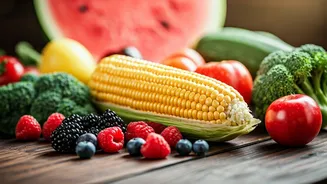
practical sense, “cooling foods” are typically those that are hydrating, anti-inflammatory, and easy to digest. Think of crisp, water-rich produce: cucumbers, watermelon, celery, and leafy greens like romaine lettuce. Other examples include mint, cilantro, coconut, and yogurt. These foods often have a high water content, which helps hydrate the body from the inside out. They tend to be alkaline-forming and rich in minerals that help the body feel balanced, especially in warm weather or after intense activity. They aren't just for summer, but their refreshing qualities make them particularly appealing when the temperature rises.
The Gut Health Connection
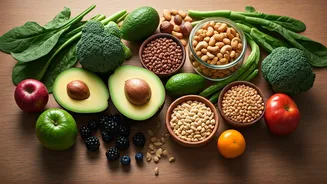
So, where does gut health fit in? The connection is surprisingly direct. Our digestive system, home to trillions of microbes, thrives on balance. Inflammation, dehydration, and a lack of fiber can throw this delicate ecosystem off-kilter, leading to bloating, discomfort, and other digestive woes. Cooling foods often act as a soothing balm for the gut. Cucumbers and melons provide hydration, which is essential for healthy digestion and moving waste through the system. Leafy greens and other plant-based cooling foods are packed with fiber, which acts as a prebiotic—food for the beneficial bacteria in your gut. Furthermore, many of these foods contain anti-inflammatory compounds. A calm, non-inflamed gut is a happy gut, better able to absorb nutrients and perform its functions without protest. Fermented cooling foods like plain yogurt or kefir go a step further by providing probiotics, the good bacteria themselves, directly supporting the gut microbiome.
Why This Makes Them So Shareable
This is where personal wellness meets social grace. When you bring a dish to a party, you want people to enjoy it. Foods that are heavy, greasy, or known to cause digestive upset can be a tough sell for a crowd with diverse needs and sensitivities. Cooling foods, on the other hand, are inherently inclusive and gentle. Their light, hydrating, and anti-inflammatory nature means they are less likely to cause the bloating or lethargy that can follow a heavy meal. They are often naturally gluten-free, easily made dairy-free (by skipping cheese or yogurt), and fit perfectly into vegetarian and vegan diets. A big platter of sliced watermelon and mint, a vibrant cucumber-tomato salad, or a bowl of cilantro-lime quinoa are universally appealing. You’re not just bringing a “safe” option; you’re bringing something that actively makes people feel good, refreshed, and energized—the perfect vibe for a social gathering.
Putting Cooling Foods on the Table
Incorporating these ideas into your next get-together is simple and delicious. Instead of another heavy pasta salad, consider a few refreshing alternatives that are perfect for a crowd: * **Watermelon, Mint, and Feta Salad:** The sweetness of the watermelon, the coolness of the mint, and the salty tang of feta create a perfectly balanced and hydrating side dish. For a dairy-free option, simply omit the cheese. * **Cucumber and Yogurt Dip (Tzatziki):** A classic cooling dish. Grated cucumber mixed with plain Greek yogurt, lemon juice, garlic, and dill is a fantastic accompaniment to fresh vegetables, pita bread, or grilled meats. * **Chilled Gazpacho Shooters:** This cold Spanish soup, made from blended raw vegetables like tomatoes, cucumbers, and peppers, can be served in small glasses as an elegant and refreshing appetizer. * **A Simple Fruit Platter:** Never underestimate the power of a beautifully arranged platter of cantaloupe, honeydew, berries, and sliced pineapple. It’s naturally sweet, hydrating, and always a crowd-pleaser.