






The Protein Pitch
Let’s start with the nutrient that gets all the headlines. Protein is the fundamental building block for your body, essential for repairing tissues, building muscle, and producing enzymes and hormones. When it comes to your diet, its superstar quality
is satiety. A protein-rich meal helps you feel fuller for longer, tamping down the hunger hormones that send you reaching for a snack an hour after you’ve eaten. This is why high-protein diets are often linked with weight management—they help curb cravings and reduce overall calorie intake naturally, without you having to white-knuckle your way through the afternoon.
The Fiber Factor
Fiber has long been known as the humble workhorse of a healthy diet, championed for its ability to keep your digestive system running smoothly. But its benefits go far beyond regularity. There are two types of fiber, and both are crucial. Insoluble fiber adds bulk, aiding digestion. Soluble fiber, however, is where the magic happens. It dissolves in water to form a gel-like substance in your digestive tract. This gel slows down digestion, which is key for one major reason: it prevents rapid spikes in blood sugar. By slowing the absorption of carbohydrates, fiber helps you avoid the energy crashes and subsequent cravings that follow a sugary or refined-carb meal.
Better Together: The Synergy
This is where the friendship turns into a true power partnership. When you eat protein and fiber together, their individual strengths are amplified. The gel-like substance from soluble fiber physically slows down how quickly your stomach empties. This means the protein you ate stays with you longer, extending that feeling of fullness for hours, not minutes. Think of fiber as the ultimate wingman for protein, making its satiating effects even more potent. This dynamic duo is also your best defense against blood sugar chaos. While fiber slows sugar absorption, protein has a minimal impact on blood sugar itself. Combining them creates a highly stable meal. You get a steady release of energy instead of a frantic spike and crash, which helps maintain your mood, focus, and energy levels throughout the day. This stable environment is the foundation of metabolic health, reducing strain on your system.
Putting the Pair on Your Plate
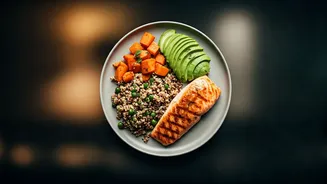
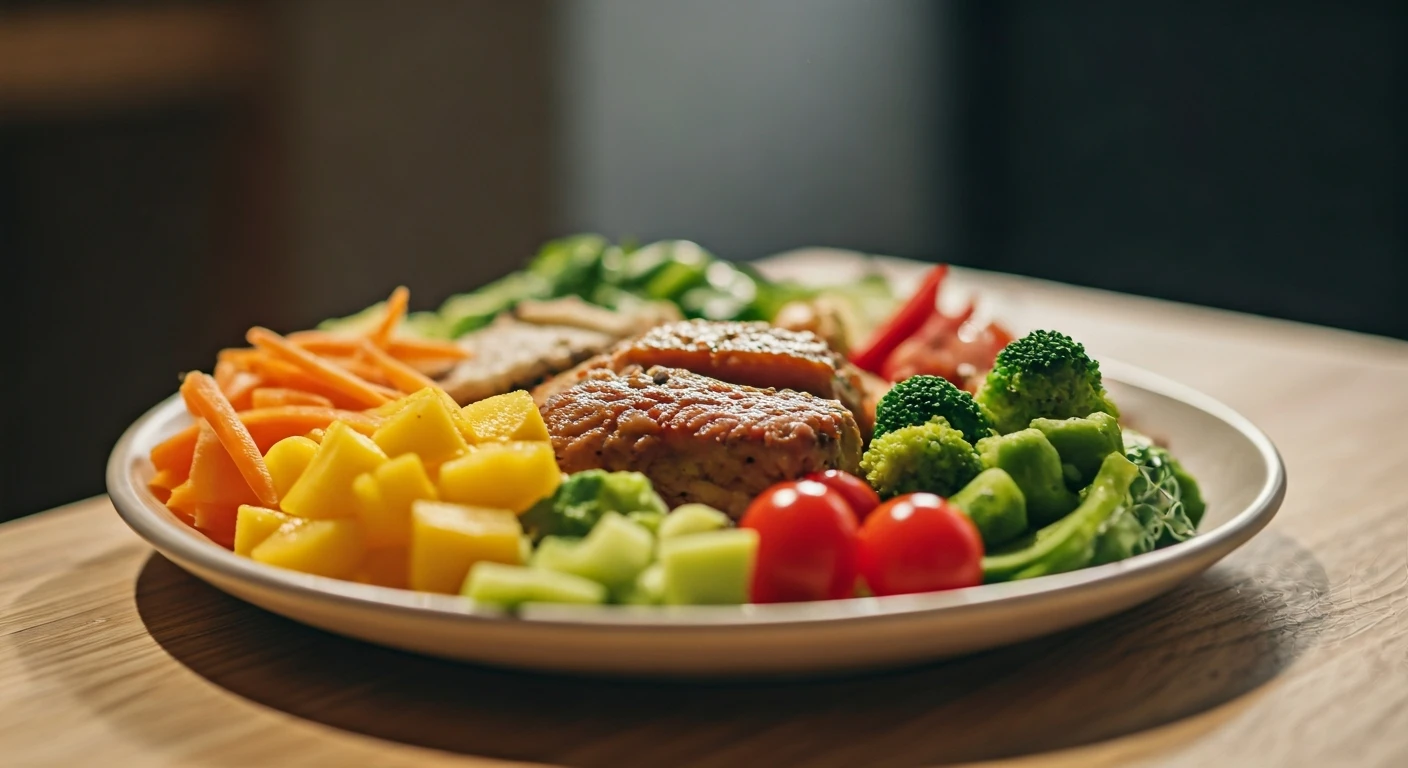
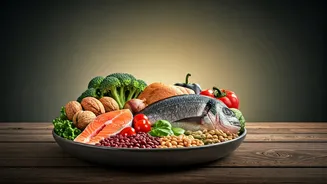
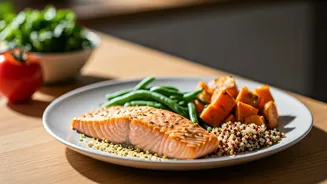
Theory is great, but what does this look like in real life? It's simpler than you think and doesn't require any specialty products or complicated recipes. The goal is to consciously pair a protein source with a fiber source at every meal and snack. * **Breakfast:** Instead of plain oatmeal, add a scoop of protein powder, a handful of nuts, and berries. Scrambled eggs? Add a side of black beans and avocado on a slice of whole-grain toast. * **Lunch:** A salad becomes a powerhouse when you move beyond just lettuce. Add grilled chicken or chickpeas (protein!) along with other high-fiber veggies like broccoli, bell peppers, and a sprinkle of chia seeds. * **Snack Time:** This is where the combo really shines. Ditch the standalone cracker or piece of fruit. Instead, pair an apple with a tablespoon of peanut butter. Grab a handful of almonds, or have some Greek yogurt (high in protein) with a few raspberries (high in fiber). * **Dinner:** A lean piece of salmon is fantastic, but it’s even better alongside a generous portion of roasted Brussels sprouts or a hearty lentil salad.