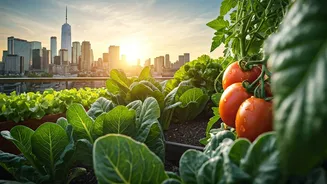




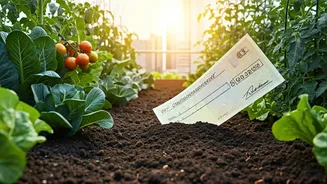


It's Not a Blank Check for Your Balcony
First, let's clarify what "financing" means. While the image of a government check arriving to fund your personal herb garden is appealing, the reality is more structured and community-focused. State funding typically flows not to individuals, but to the infrastructure
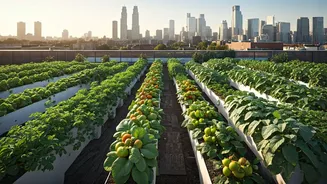
that supports urban food production on a larger scale. This includes competitive grants for non-profits starting community gardens, funding for urban farms that operate as small businesses, and resources for schools to build educational gardens. For example, programs like California's Urban Agriculture Grant Program offer funds to organizations to build soil, improve irrigation, and expand access to locally grown food in underserved areas. So, while you personally might not get a direct payment, the community garden down the street or the new farmers market you frequent could be a direct result of these state-level initiatives.
A Direct Response to Fragile Supply Chains
One of the primary drivers behind this trend is a renewed focus on food security and resilience. The COVID-19 pandemic starkly revealed the fragility of our long, complex supply chains. Empty grocery store shelves and transportation bottlenecks served as a wake-up call for policymakers. State governments now see localized food systems as a crucial buffer against future disruptions. By supporting urban and suburban agriculture, they are helping to create shorter, more robust supply chains. When a portion of a city's produce is grown within its own limits, it is less vulnerable to cross-country shipping delays, fuel price spikes, or other logistical crises. This isn't just about convenience; it's a strategic move to ensure residents have access to fresh, healthy food, no matter what's happening hundreds of miles away.
Tackling Food Deserts and Public Health
Beyond logistics, states are using these programs as a public health tool. Many urban neighborhoods, particularly low-income areas and communities of color, are classified as "food deserts"—places where access to affordable, nutritious food is severely limited. Community gardens and urban farms can transform these landscapes. They provide immediate access to fresh fruits and vegetables, often at a lower cost than processed alternatives. This directly combats diet-related health issues like obesity, diabetes, and heart disease. For example, the Illinois Department of Agriculture has programs that specifically aim to increase the availability of fresh produce in these areas. By funding gardens, they are investing in preventative healthcare, recognizing that an apple grown down the street is a powerful tool for community wellness.
Greening the Concrete Jungle
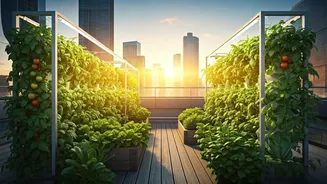
The benefits extend beyond the dinner plate. Urban agriculture is also a key strategy for environmental sustainability. Green spaces in cities help mitigate the "urban heat island" effect, where concrete and asphalt absorb and radiate heat, driving up temperatures and energy costs. Gardens absorb rainwater, reducing runoff that can overwhelm sewer systems and pollute waterways. They improve air quality and create vital habitats for pollinators like bees and butterflies. Furthermore, these projects build community. A shared garden becomes a natural meeting place, fostering social connections among neighbors, reducing isolation, and creating a shared sense of purpose and pride. States recognize that a grant for a community garden is also an investment in a safer, cooler, and more connected neighborhood.
How to Tap into the Trend
So, how can you or your community get involved? If you're an individual gardener, the best place to start is often local. Look for non-profits, city-run park programs, or university agricultural extension offices in your area. These are the groups most likely to receive state funds and translate them into resources like free workshops, soil testing, or access to community garden plots. If you're part of a neighborhood association, school, or community group, you may be directly eligible for state grants. Check your state's Department of Agriculture website for terms like "urban agriculture," "community garden grants," or "local food initiatives." The application process can be competitive, but the goals are often the same: to create a project that benefits the wider community's health, environment, and food security.