




From Backyard Chore to Social Feed Gold
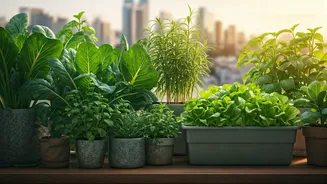
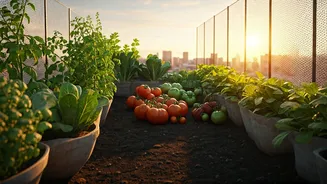
The most visible engine of gardening’s renaissance is the one in your pocket. On platforms like TikTok and Instagram, the hashtag #gardentok has billions of views, showcasing everything from sprawling rural plots to tidy urban balconies bursting with
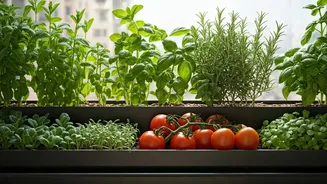
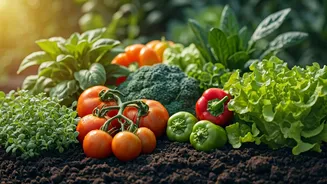
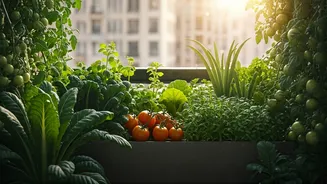
life. But this isn't your grandfather’s Farmer's Almanac. This is gardening as an aesthetic experience. Perfectly arranged raised beds, time-lapses of sprouting seeds set to trending audio, and artful shots of just-picked heirloom tomatoes have transformed gardening from a private hobby into a public-facing statement. It signals a connection to nature, an appreciation for beauty, and a certain kind of wholesome competence that feels both aspirational and achievable. In a digital world, producing something so tangible and photogenic has become a new form of cultural currency.
The Search for Control in a Chaotic World
Beyond the aesthetics, the trend is rooted in a deeper, more anxious cultural mood. The COVID-19 pandemic threw supply chain vulnerabilities into sharp relief, sending people scrambling for seeds and soil as a way to ensure a fresh food supply. That initial panic has since evolved into a sustained desire for self-sufficiency. Coupled with soaring grocery prices, the ability to walk into your backyard and pick your own salad greens or tomatoes feels less like a quaint hobby and more like a savvy life hack. Every home-grown vegetable is a small victory against inflation and a tangible way to reclaim a sliver of control over one of life’s basic necessities. It’s an empowering response to a world that often feels unpredictable and out of our hands.
An Antidote to Digital Burnout
For generations raised online, the appeal of gardening is also powerfully analog. It’s a forced digital detox—a reason to put down the phone, get your hands dirty, and engage with the physical world. The slow, patient process of nurturing a plant from seed to harvest offers a welcome counterbalance to the instant gratification and constant stimulation of our digital lives. It’s a form of mindfulness in motion. Weeding, watering, and watching for pests requires a quiet focus that can feel meditative. In an era of rampant burnout and mental health awareness, gardening is being reframed as a wellness practice, offering a direct, tactile connection to the rhythms of nature that can soothe an overstimulated mind.
Sustainability You Can Taste
Growing your own food also aligns perfectly with a rising consciousness around sustainability and climate change, particularly among millennials and Gen Z. The modern food system, with its long-distance shipping and reliance on industrial agriculture, has a massive environmental footprint. A backyard garden, by contrast, is the ultimate in local eating. It eliminates food miles, reduces plastic packaging, and allows individuals to control whether pesticides and herbicides are used. It’s a small but meaningful way to opt out of a system many find troubling. This isn’t about saving the world with a single tomato plant; it’s about aligning daily actions with personal values and making a direct, positive impact, however small, on your immediate environment.