



The Parvati Valley's Unofficial Capital
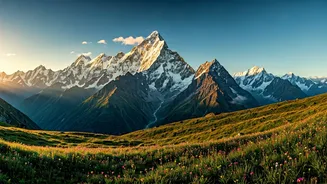
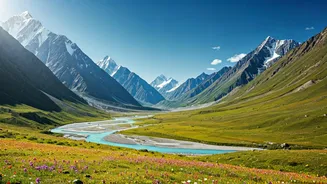
Tucked away in India's northern state of Himachal Pradesh, the village of Kasol is more of a vibe than a specific destination. For decades, it has served as the de facto capital of the Parvati Valley, a stunningly beautiful gorge carved by the river of the same
name. But to the thousands of young travelers who flock here, it's known by another name: 'Mini Israel.' Walk down its single main street and the nickname immediately makes sense. Shop signs are written in Hebrew, cafes serve hummus and falafel alongside local Indian fare, and the dominant language you’ll hear is a relaxed, post-army Hebrew spoken by Israeli travelers unwinding after their mandatory military service. This unique cultural fusion has defined Kasol for a generation, creating a haven that feels both distinctly Indian and strangely, comfortingly foreign to its core demographic. It’s a place where dreadlocked sadhus (holy men) share footpaths with hikers in high-tech gear, all drawn by the magnetic pull of the Himalayas.
More Than Just a Party
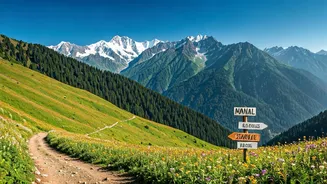
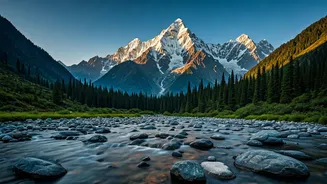
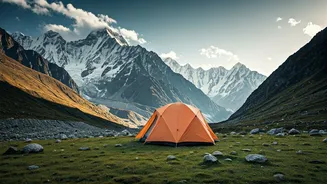
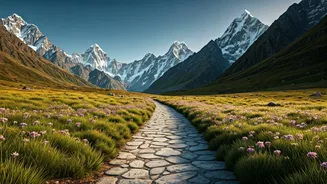
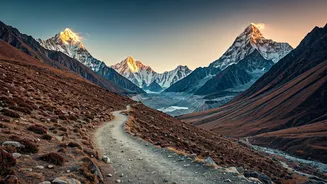
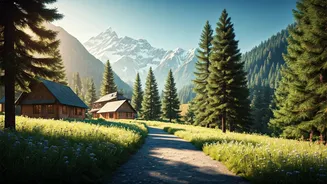
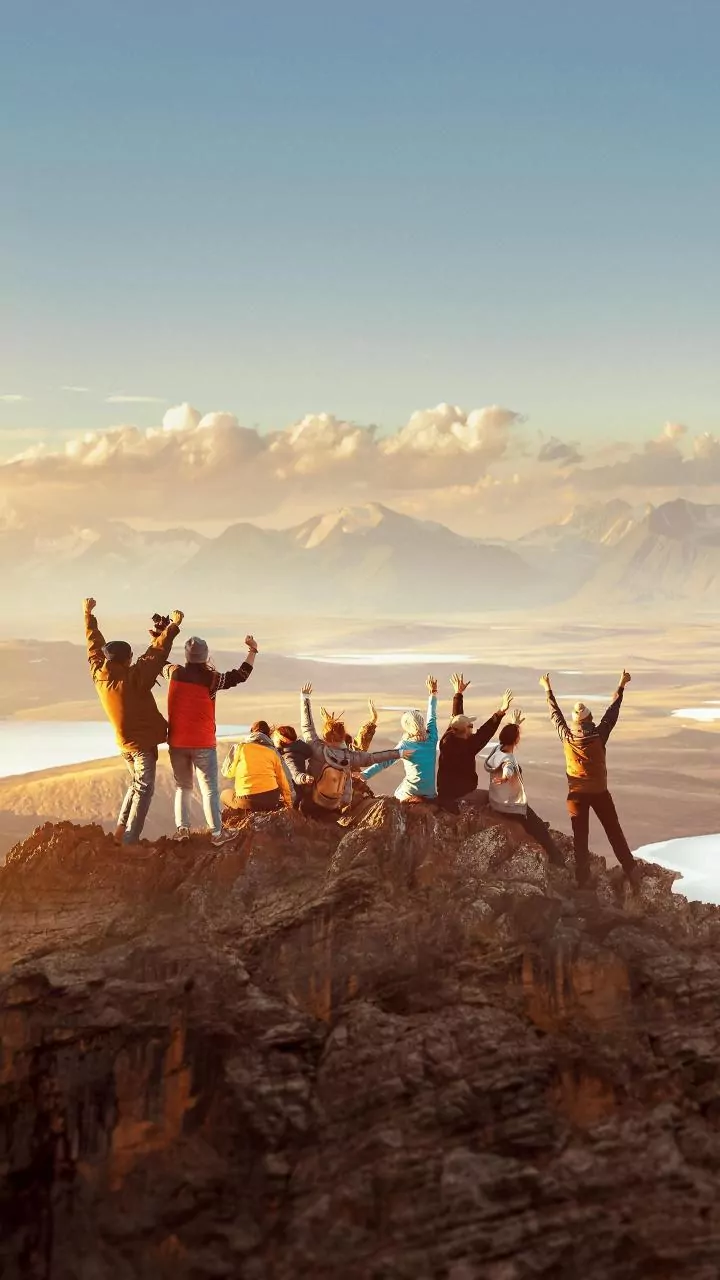
While Kasol has a well-earned reputation for its laid-back, bohemian atmosphere and trance parties, to dismiss it as just a hedonistic hotspot is to miss the point entirely. The real crown it wears is that of a gateway to some of the most breathtaking treks in the world. June is the golden month when winter’s snow has finally melted from the higher passes, opening up legendary trails. The most famous of these is the trek to Kheerganga, a meadow at 10,000 feet where pilgrims and trekkers alike bathe in natural hot springs while gazing at snow-capped peaks. Other trails lead to remote, timeless villages like Tosh, Malana, and Pulga, each offering a different slice of Himachali life and even more spectacular vistas. For most visitors, the cafes and social scene of Kasol are merely the base camp—a place to acclimatize, gather supplies, and trade stories before and after venturing into the raw, untamed wilderness that surrounds them. The true religion here is nature.
A Different Kind of Summer
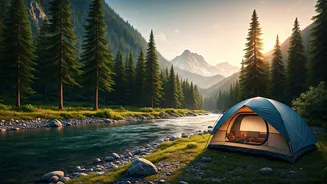
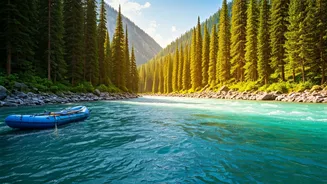
For an American audience accustomed to summer vacations involving beaches or European city-hopping, Kasol represents a radical alternative. It’s an escape not just from the heat of the Indian plains but from the predictability of modern life. Here, the internet is spotty, the power can be intermittent, and the main event of the day is often a walk along the river. The rhythm is slower, dictated by weather and wanderlust. This June, the town is buzzing. The pandemic-era travel lulls are a distant memory, and the streets are once again a vibrant mix of international backpackers and a growing number of young Indian tourists looking for adventure. This new domestic interest has brought changes—more hotels, slicker cafes, and higher prices—but it hasn't diluted the core experience. If anything, it has made Kasol a more dynamic melting pot, a place where different worlds collide over a shared love for the mountains.
The Enduring Allure
So, how does Kasol keep its crown? In a world of curated Instagram travel, it remains stubbornly authentic. It’s a place that rewards curiosity and resilience. The journey to get here is long and winding, the amenities can be basic, and the treks are physically demanding. But that’s precisely the point. It filters for a certain kind of traveler: one who is seeking connection over comfort, and experience over extravagance. Despite the creeping commercialization and the ever-present crowds in peak season, the spirit of Kasol endures. It remains a rite of passage, a place where you can lose yourself in the scale of the landscape and find yourself in the quiet moments in between. Its crown isn't made of gold, but of pine needles, prayer flags, and the collective memories of a million journeys.