




The Foundation: A Fiber Powerhouse
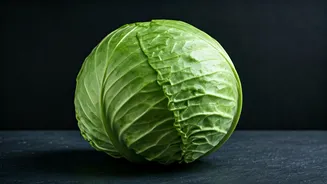
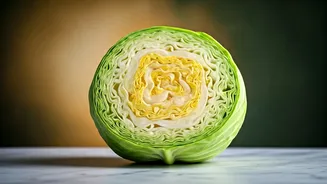
Before we get to the more complex science, let's start with the basics: fiber. Cabbage is loaded with it, and not just one kind. It contains insoluble fiber, which is often called “roughage.” This type of fiber doesn’t dissolve in water and helps add
bulk to your stool, promoting regularity and preventing constipation. Think of it as a gentle broom sweeping through your digestive tract, keeping things moving efficiently.But that’s not all. Cabbage also provides soluble fiber, which dissolves in water to form a gel-like substance in your digestive tract. This gel acts as a prebiotic, meaning it’s the perfect food for the beneficial bacteria living in your gut. A happy, well-fed microbiome is the cornerstone of good gut health, influencing everything from digestion to your immune system and even your mood. By providing both types of fiber, cabbage offers a two-for-one deal for a smoother, healthier digestive system.
The Soothing Agent: Glutamine
Here’s where cabbage starts to show its unique strengths. It's a fantastic natural source of L-glutamine, an essential amino acid that plays a critical role in gut health. The cells that line your intestines use glutamine as their primary fuel source to maintain their integrity. This lining acts as a crucial barrier, deciding what gets absorbed into your bloodstream and what stays out.When this barrier is compromised—a condition sometimes referred to as “leaky gut”—it can lead to inflammation and other health issues. By providing a steady supply of glutamine, cabbage helps support the strength and health of this intestinal wall. For this reason, some natural health practitioners have long recommended raw cabbage juice as a soothing tonic for the stomach, believing its glutamine content helps nourish and repair the delicate gut lining.
The Game Changer: Fermentation
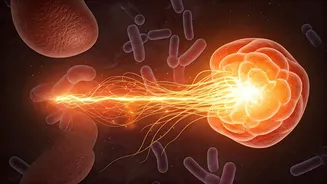
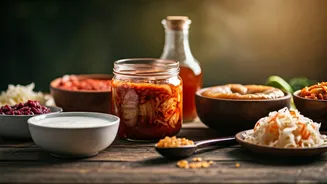
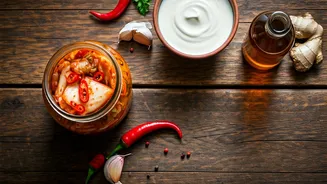
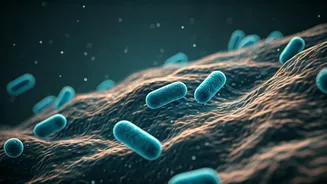
This is arguably cabbage’s greatest trick. When you ferment cabbage with salt, it transforms into sauerkraut or, with more spices, kimchi. This ancient preservation method creates a probiotic superfood. The fermentation process allows beneficial bacteria, like various Lactobacillus strains, to flourish. When you eat raw, unpasteurized sauerkraut or kimchi, you're delivering millions of these live microorganisms directly to your gut.These probiotics help to diversify your gut microbiome, crowding out harmful bacteria and contributing to a healthier gut environment. A diverse microbiome is linked to improved digestion, a stronger immune system, and reduced inflammation. The key is to choose the right product. Look for sauerkraut in the refrigerated section of your grocery store that is labeled “raw,” “unpasteurized,” or “contains live cultures.” The shelf-stable canned or jarred versions have been heat-treated, which kills off all the beneficial bacteria.
Putting It All Together
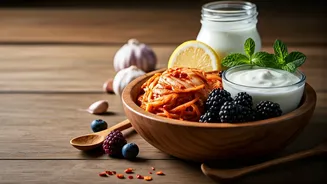
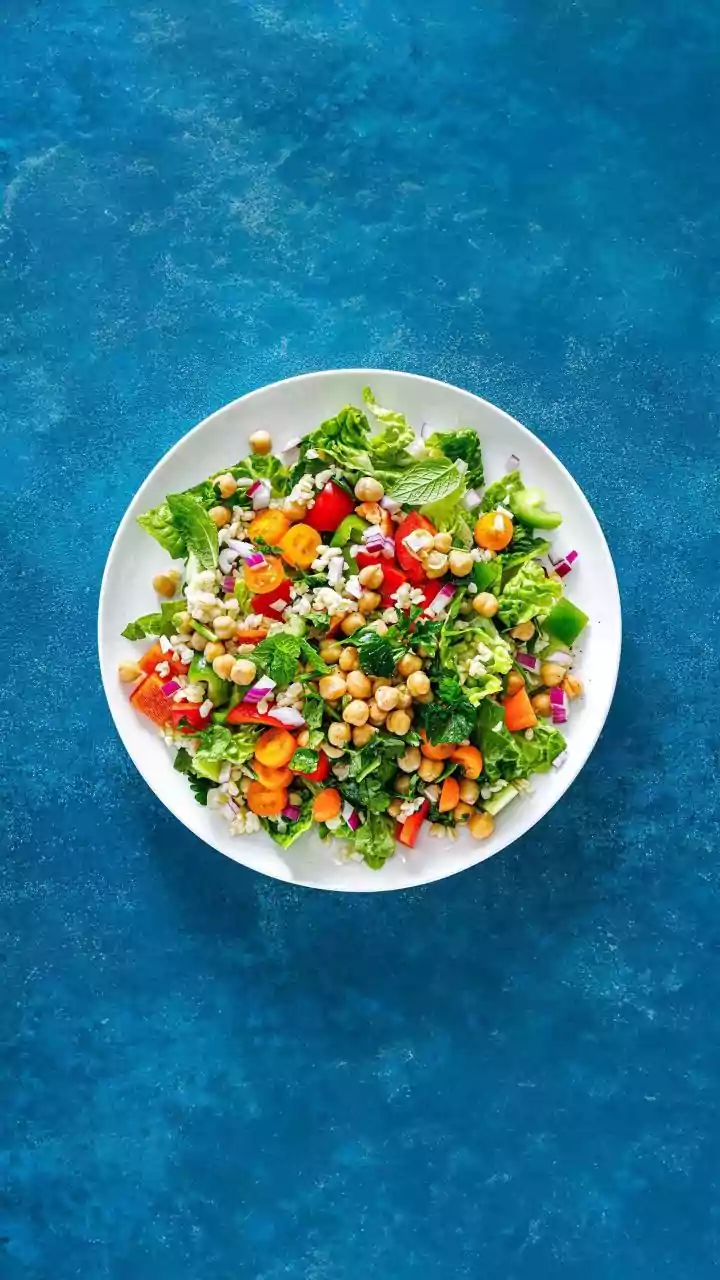
So, how can you easily add this gut-friendly vegetable to your diet? The options are endless and delicious. For a simple fiber boost, add shredded raw cabbage to salads for a satisfying crunch or make a classic coleslaw (go easy on the sugar-laden dressings). For a quick and healthy side dish, try sautéing sliced cabbage with a little olive oil, garlic, and a pinch of salt until it’s tender-crisp.To get the probiotic benefits, start by adding a tablespoon or two of raw sauerkraut as a condiment to your meals. It’s fantastic on top of eggs, in a sandwich instead of pickles, or alongside roasted meats. The tangy, salty flavor can be a welcome addition to many dishes. Starting with a small amount allows your system to adjust to the influx of new, beneficial bacteria.