

Welcome to the Abode of the Clouds
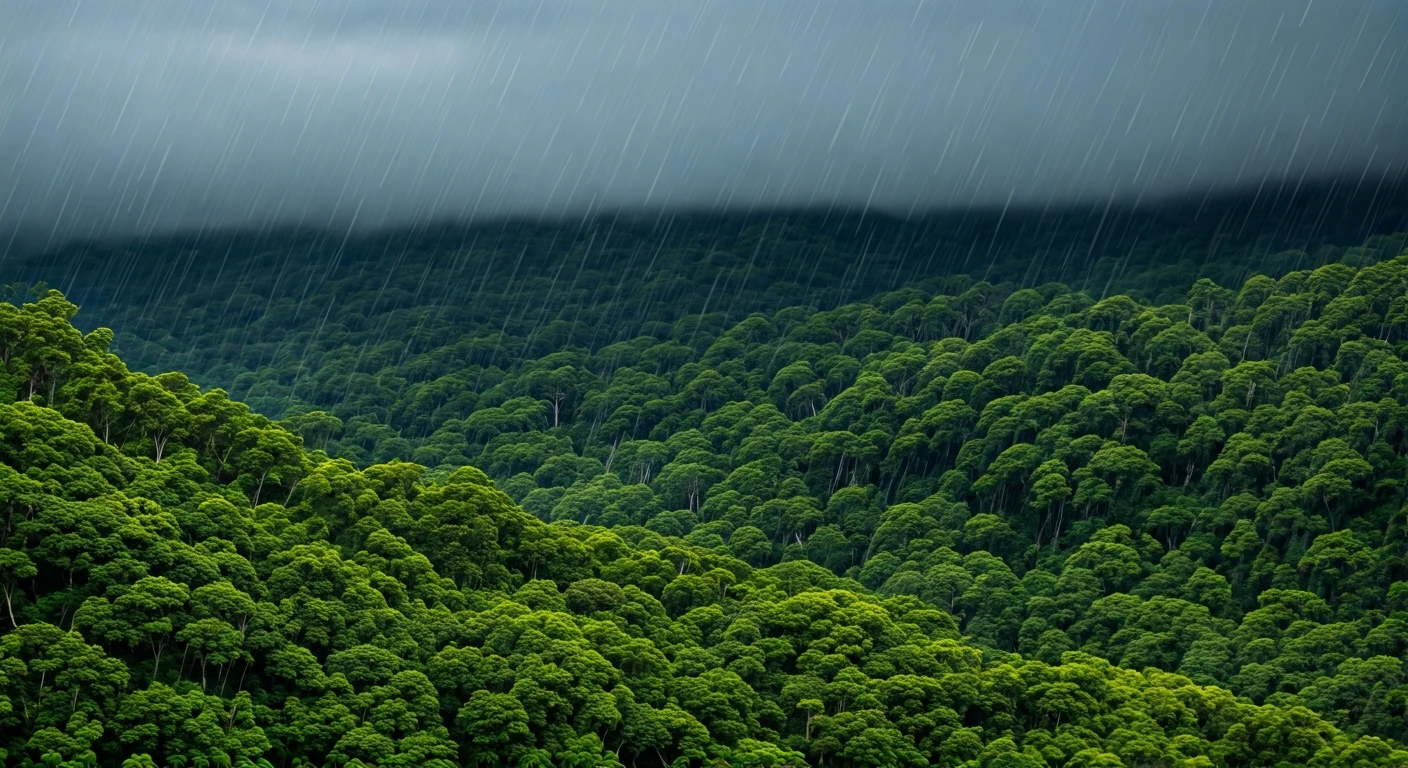
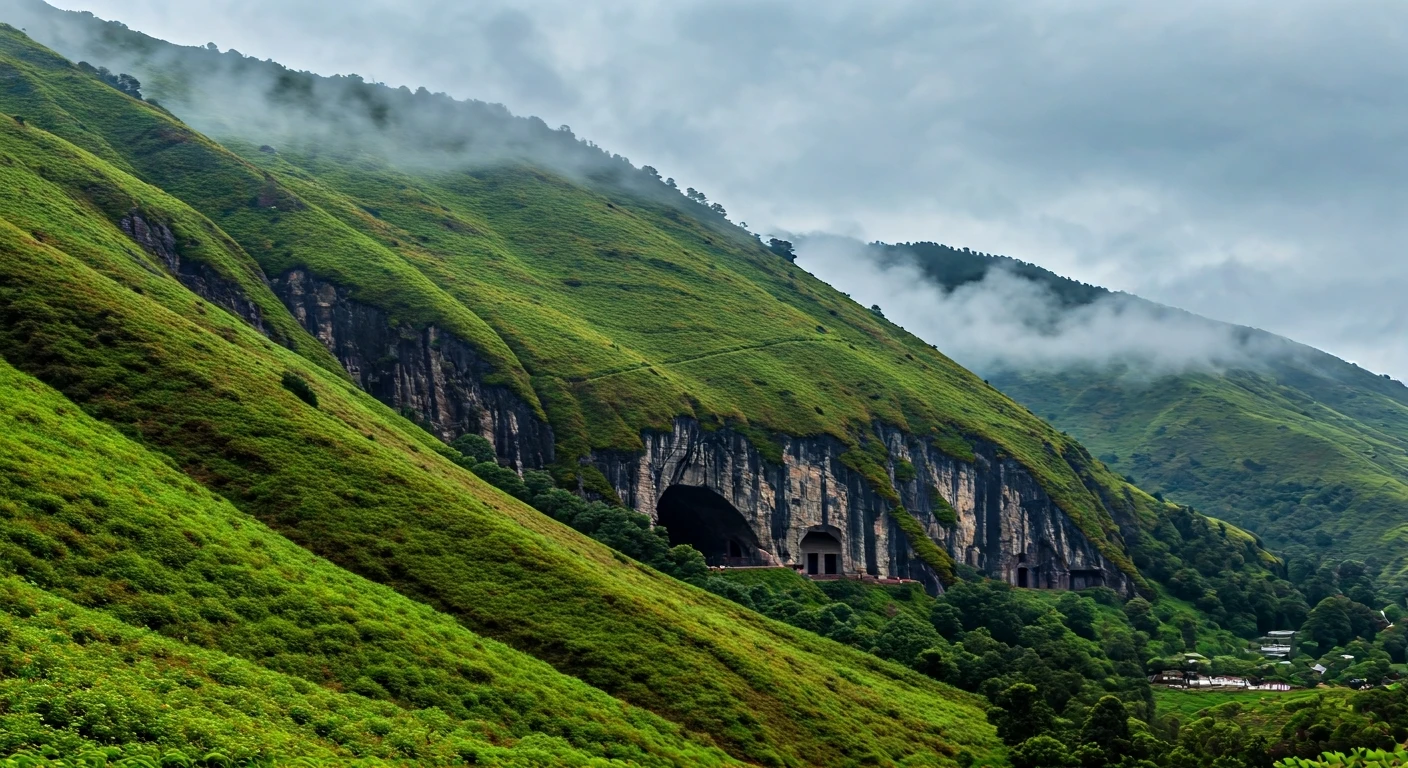
Tucked away in the northeastern corner of India, Meghalaya lives up to its Sanskrit name: “the abode of the clouds.” This remote, hilly state is a world apart, defined by its relationship with water. It’s home to Mawsynram and Cherrapunji, two of the wettest
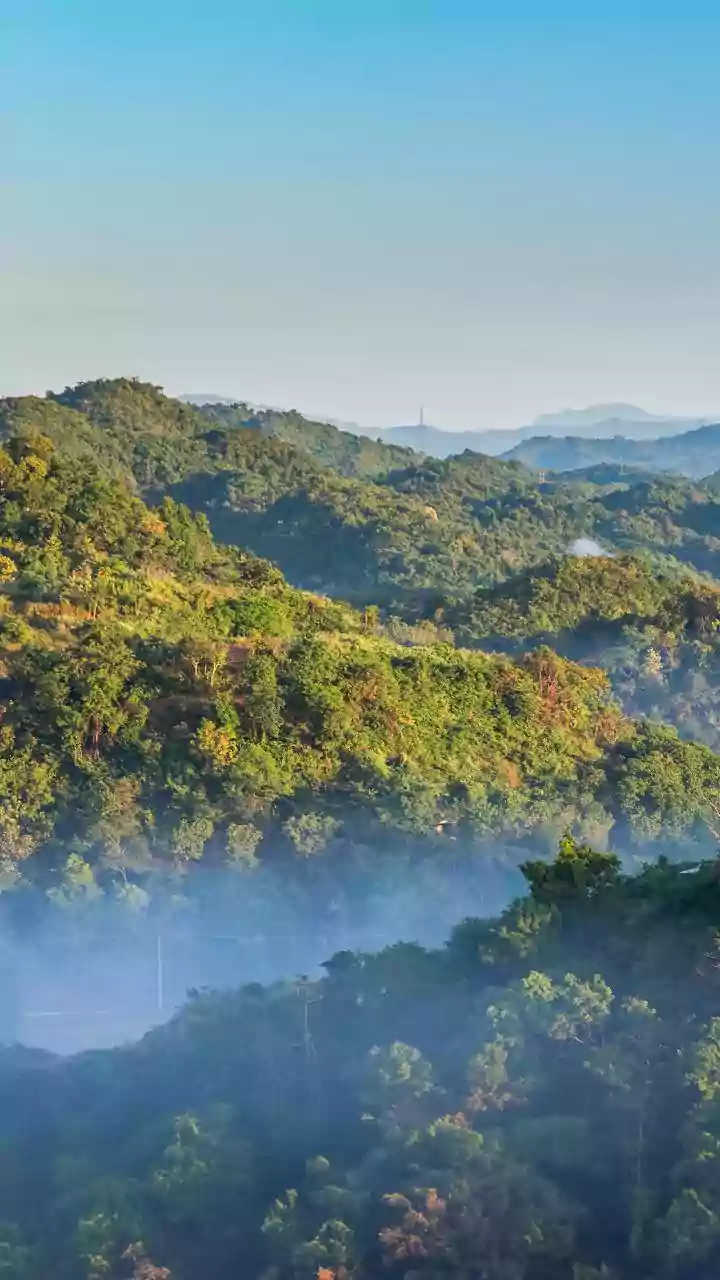
places on the entire planet, where the annual rainfall isn’t measured in inches but in feet. This perpetual moisture blankets the landscape in a dizzying spectrum of greens, carving deep gorges into the earth and fueling the region’s star attractions: its waterfalls. For years, Meghalaya was a destination known mostly to hardy trekkers and regional tourists. But as travelers increasingly seek out raw, immersive nature experiences over crowded cities, this land of mist and spray is finding its moment in the global spotlight.
A Symphony of Cascades
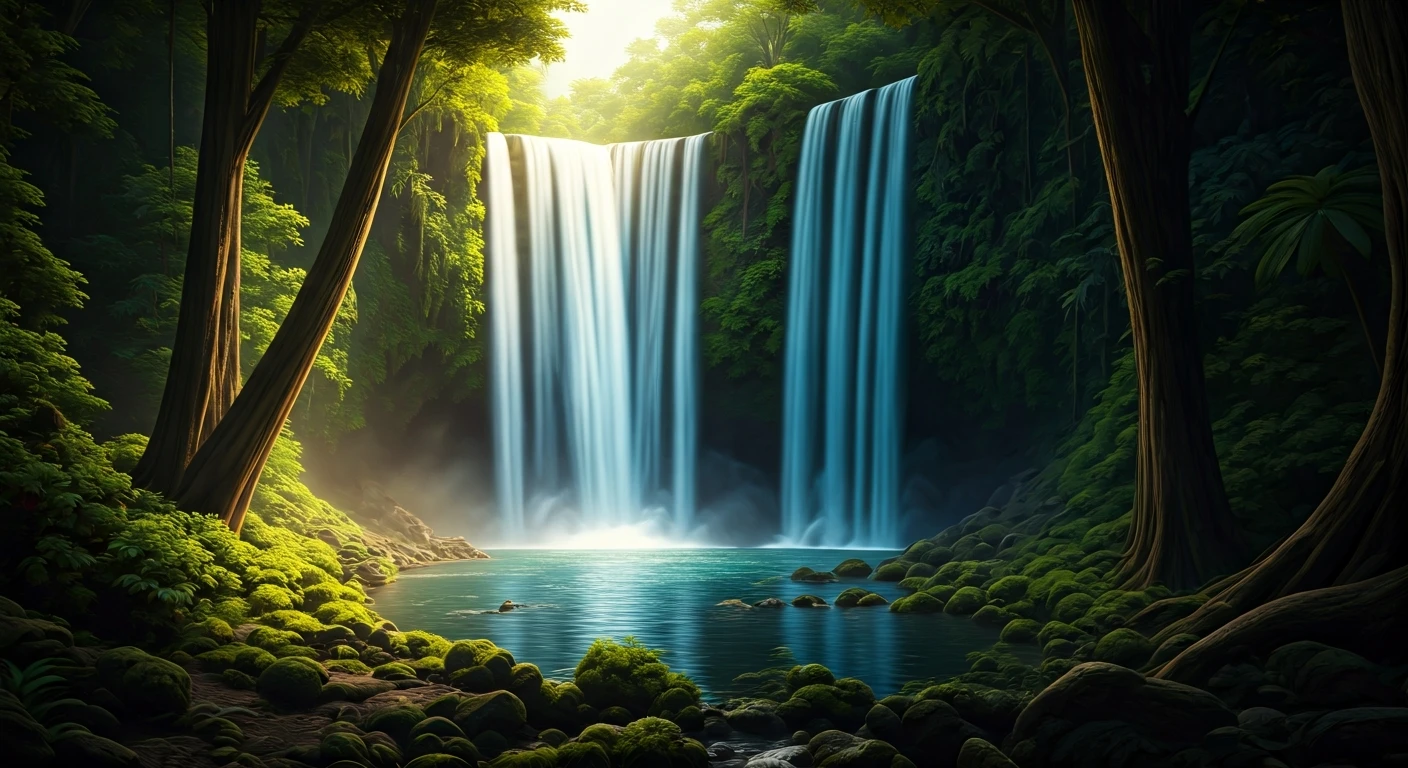
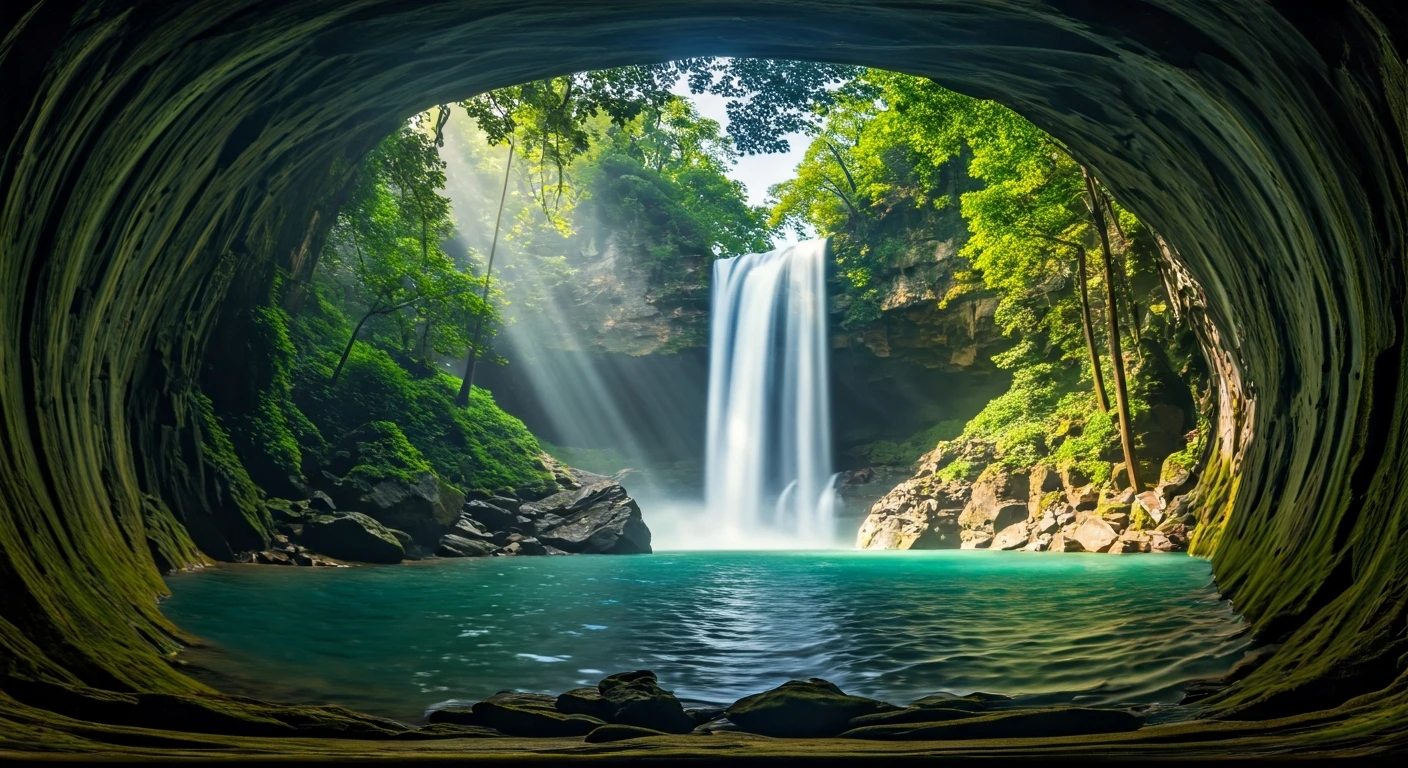
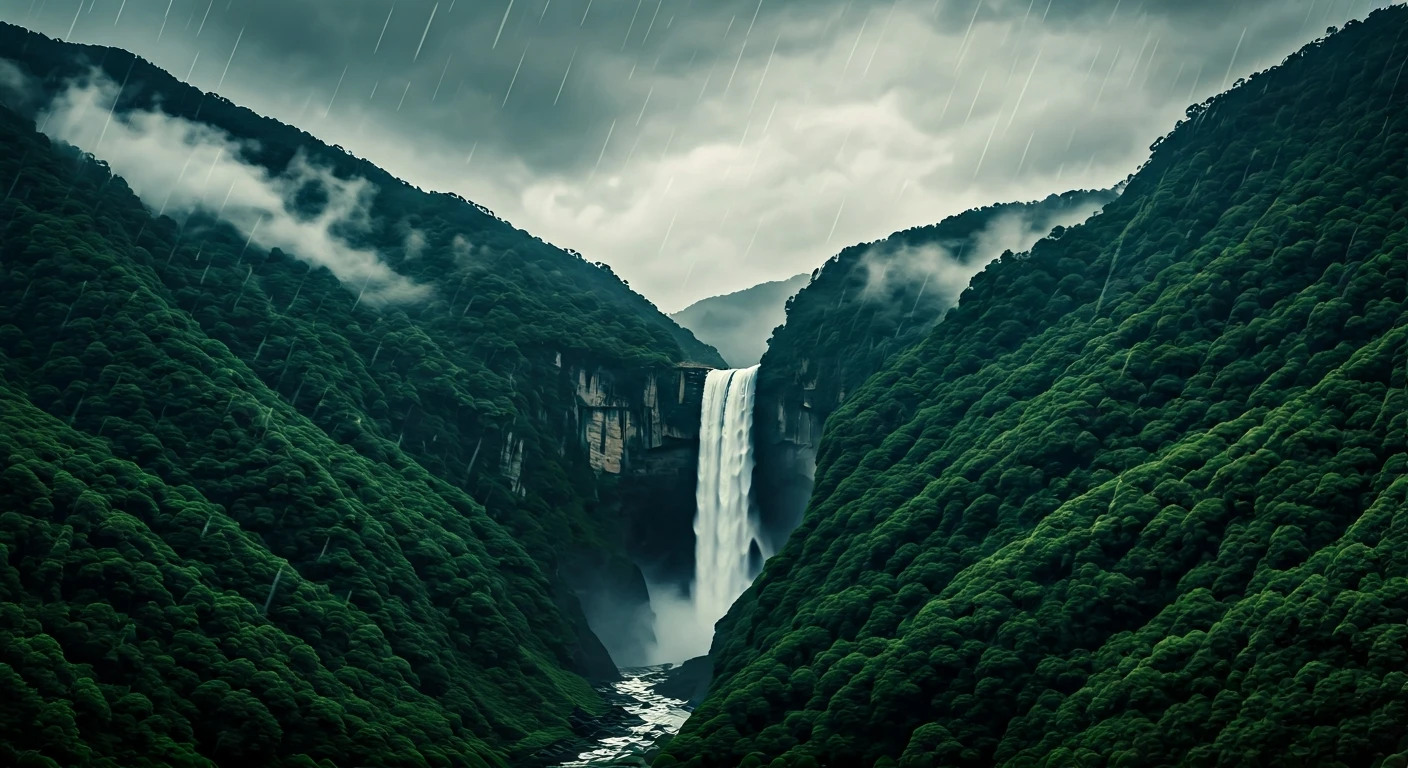
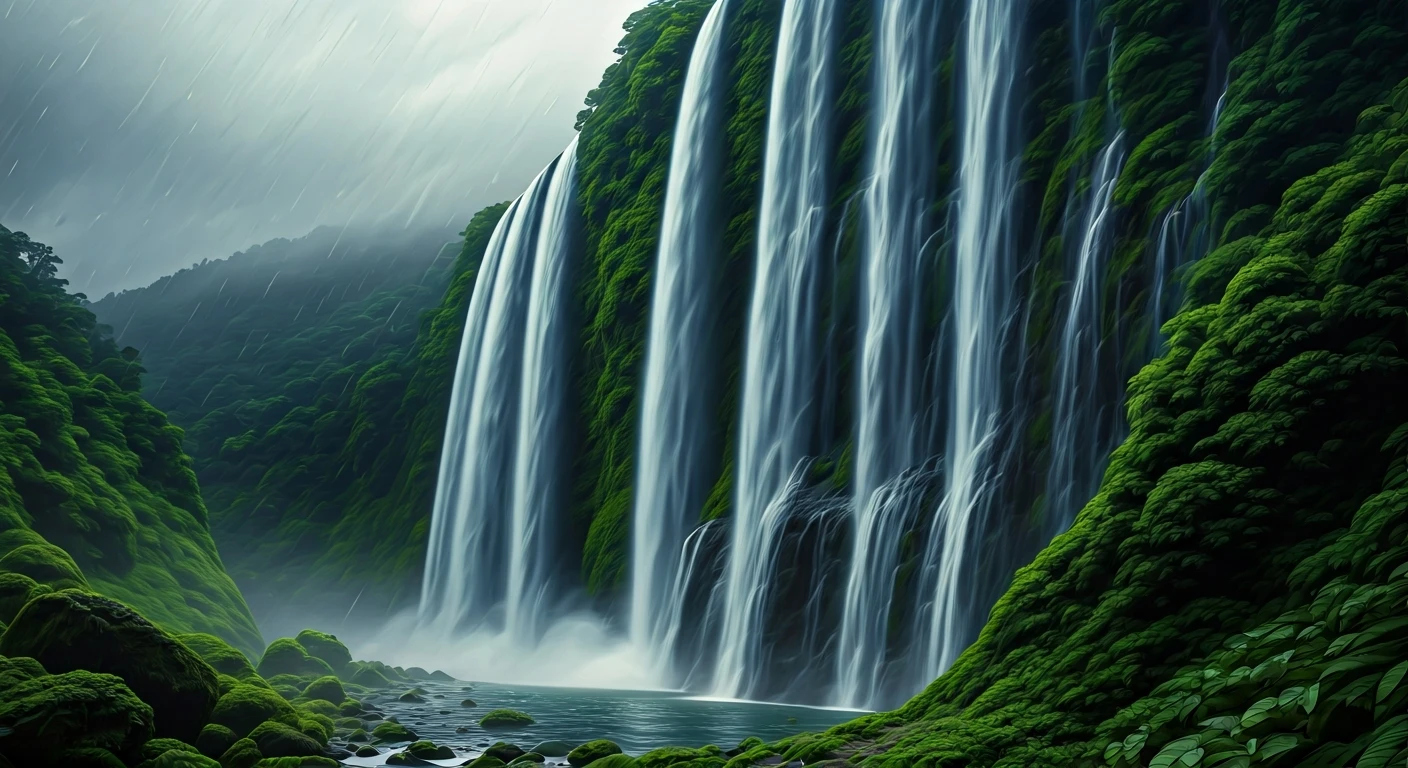
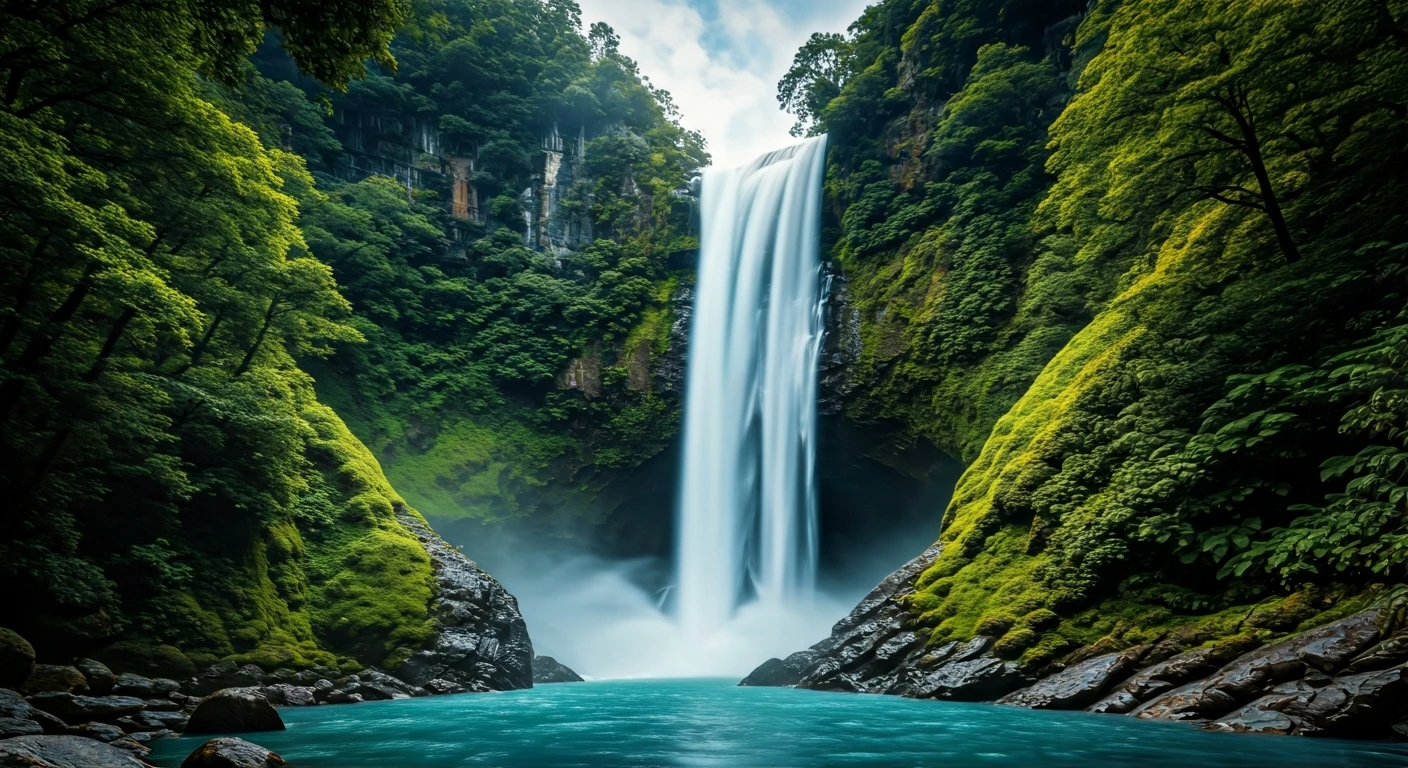
The waterfalls of Meghalaya aren’t just a feature of the landscape; they are its soul. The most famous is Nohkalikai Falls, a dramatic, uninterrupted plunge that drops over 1,100 feet from a verdant cliff into a turquoise pool below. Its name, tied to a somber local legend, adds to its mystique. Not far away, the Seven Sisters Falls (Nohsngithiang Falls) presents a different kind of spectacle: a series of seven distinct streams cascading side-by-side down a wide limestone cliff, creating a breathtaking panorama, especially during the peak monsoon season. Then there are falls like Elephant Falls, a more accessible, multi-tiered cascade near the state capital of Shillong, and the ethereal, curtain-like Krang Suri Falls, whose crystal-clear blue waters have become an Instagram sensation. Each waterfall has its own personality, from thunderous torrents to delicate veils of mist.
Beyond the Falls: The Living Root Bridges
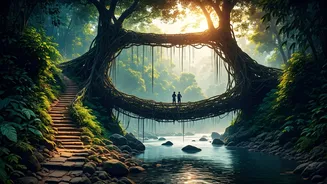
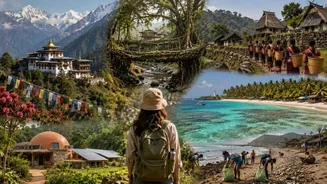
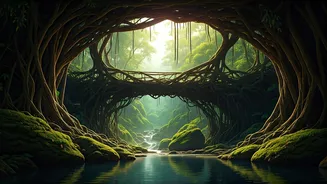
While waterfalls are the immediate draw, Meghalaya’s most unique wonders are its living root bridges. For centuries, the indigenous Khasi and Jaintia peoples have guided the aerial roots of rubber fig trees across rivers and streams, patiently weaving them together to form sturdy, living bridges. These incredible examples of bio-engineering are a testament to a deep, symbiotic relationship with nature. The most iconic is the Jingkieng Nongriat, a double-decker bridge near Cherrapunji that requires a significant trek to reach but rewards visitors with a sight that feels torn from a Tolkien novel. Unlike concrete and steel, these structures grow stronger with time, becoming more resilient as the root systems mature. They represent a philosophy of patience and harmony that feels more relevant than ever.
An Eco-Adventurer's Paradise
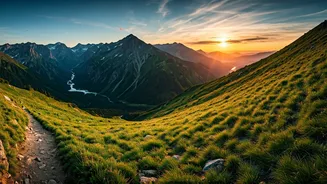
Meghalaya is more than just a pretty picture; it's a playground for the adventurous. The same geology that creates its dramatic gorges and waterfalls has also riddled the state with some of the longest and deepest cave systems in Asia. Caving, or “spelunking,” is a major draw for thrill-seekers, with guided tours taking visitors through subterranean passages filled with fascinating stalactite and stalagmite formations. The trekking here is world-class, with trails leading through dense forests, across grassy plateaus, and down to the base of towering waterfalls. This focus on human-powered adventure fits perfectly with the growing demand for sustainable, eco-conscious travel. The experience is less about luxury resorts and more about immersing oneself in a powerful, untamed environment.
Why Now? A Destination for the Digital Age
So, why is Meghalaya suddenly on everyone’s wishlist? The answer lies partly in our post-pandemic craving for wide-open spaces and authentic experiences. But it’s also a story of the digital age. The otherworldly beauty of the region is perfectly suited for visual platforms like Instagram and TikTok, where images of misty cliffs, azure pools, and living bridges have gone viral, exposing Meghalaya to a new generation of travelers. This digital word-of-mouth has transformed it from an off-the-beaten-path secret to a bucket-list destination, all without losing the sense of rugged discovery that makes it special. It offers a rare combination: the thrill of exploring a seemingly untouched world with the accessibility of a place now firmly on the map.