

Go Vertical—Aggressively
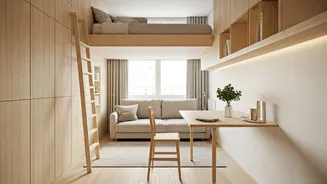
When you can't build out, you have to build up. This is the cardinal rule of small-space living. But think beyond a simple bookshelf. Install floor-to-ceiling shelving units that draw the eye upward, making the room feel taller. Use the space above doorways
and windows for shallow shelves perfect for books or decorative objects. In the kitchen, a wall-mounted pot rack or magnetic knife strip frees up precious drawer and counter space. Consider a high-quality pegboard system, which offers endlessly configurable storage for everything from office supplies to kitchen utensils. Your walls are your most underutilized asset; treat them like a storage goldmine.
Choose Double-Duty Furniture
In a tiny home, every piece of furniture should work for a living, preferably pulling a double shift. A storage ottoman can hide blankets, serve as a coffee table (with a tray on top), and provide extra seating. An expandable dining table can stay small for daily use but grow to accommodate guests. Look for coffee tables that lift to become a work-from-home desk or dining surface. A daybed or a stylish sofa bed is a must if you plan to host overnight guests without a dedicated second bedroom. Investing in these multi-functional pieces is the single most effective way to add utility without adding clutter.
Create Zones Without Walls
An open-plan studio can feel like one big, confusing room if you're not careful. The trick is to create distinct “zones” for sleeping, living, and working. You don't need walls to do this. A large area rug can define a living room space, visually separating it from your kitchen area. You can also use furniture to create these divisions. Place your sofa with its back to your bed area to form a soft barrier. A narrow console table behind the sofa can further solidify this division. Even a tall, open-backed bookshelf can create a sense of separation while still allowing light and air to pass through, avoiding that boxed-in feeling.
Harness the Power of Light and Reflection
Proper lighting and the strategic use of mirrors can dramatically alter the perception of space. Instead of a single, harsh overhead light, layer your lighting with floor lamps, table lamps, and even wall sconces to create depth and ambiance. Place a large mirror directly opposite a window. This will not only reflect the natural light, making the room brighter, but it will also reflect the view, creating an illusion of depth that can make the room feel twice as large. A collection of smaller mirrors can also work, acting as a piece of reflective art that bounces light around the space.
Let Your Furniture Breathe
This might sound counterintuitive, but pushing all your furniture against the walls can actually make a room feel smaller and more cramped. By pulling your sofa, chairs, and even a desk a few inches away from the wall, you create negative space—a little breathing room that gives the illusion of a larger area. This simple trick prevents the room from looking like everything is desperately clinging to the perimeter. It allows for better traffic flow and creates a more sophisticated, intentional layout. Try it with your largest piece of furniture and see how the entire dynamic of the room changes.
Unify with a Cohesive Color Palette
Visual clutter is just as bad as physical clutter. A jumble of competing colors and patterns can make a small space feel chaotic and busy. Instead, opt for a cohesive, light-and-bright color palette. This doesn't mean everything has to be sterile white. Soft grays, pale blues, and warm beiges can all make a room feel more expansive by allowing the walls to recede. Carry this color scheme through your furniture, textiles, and decor. By unifying the space with color, you create a seamless visual flow that makes the entire home feel like a single, thoughtfully designed unit rather than a collection of cramped corners.