


A Protected Paradise in the Himalayas
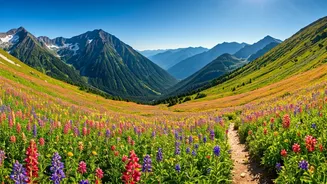
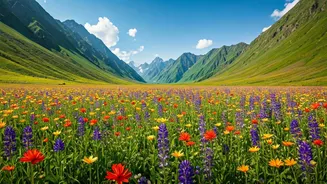
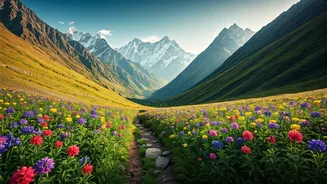
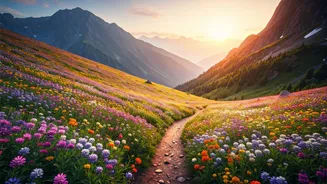
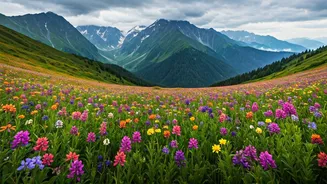
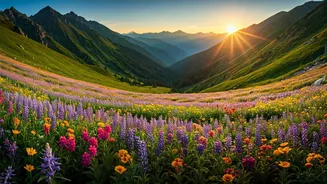
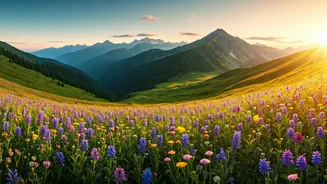
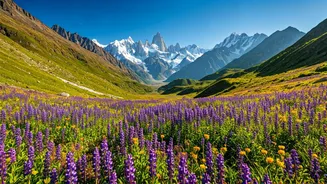
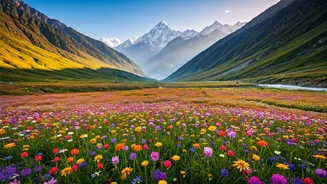
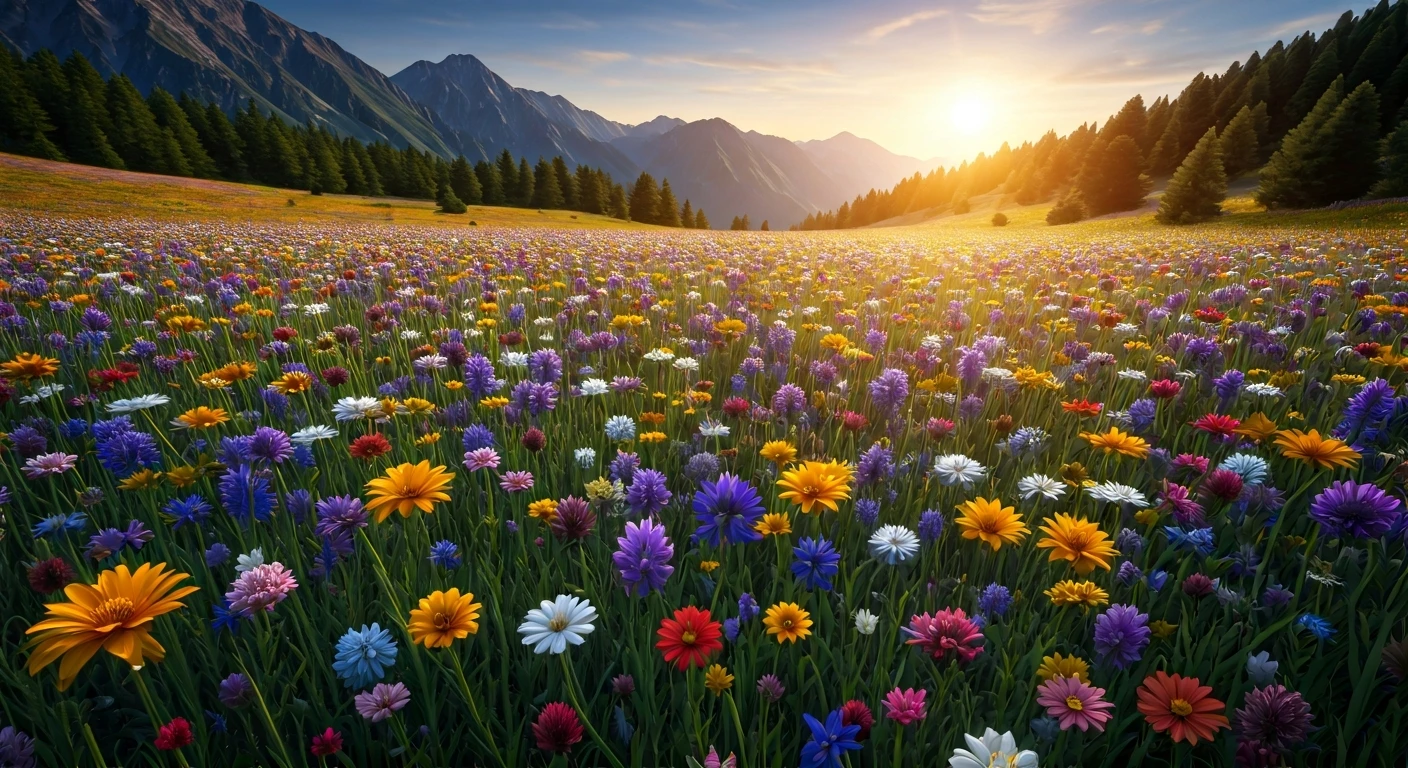
Tucked away in the state of Uttarakhand in northern India, the Valley of Flowers National Park is a UNESCO World Heritage Site renowned for its meadows of endemic alpine flowers. For a few short months each year, this glacial corridor bursts into a riot
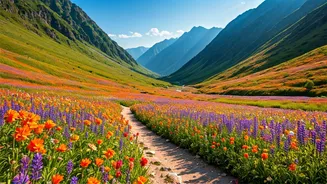
of color, with over 500 species of wildflowers blanketing the landscape. It’s a place where the scale of the Himalayas feels intimate and accessible, framed not by intimidating ice fields, but by carpets of blue poppies, primulas, and potentillas. The park is part of the larger Nanda Devi Biosphere Reserve, a protected zone that has helped preserve its pristine, almost mythical character. Unlike many rugged mountain destinations, the valley’s primary draw is its delicate, vibrant ecosystem, making the journey as much about botany as it is about altitude.
What Makes It a “Soft” Adventure?
The term “soft adventure” perfectly captures the essence of this trek. It’s for the person who loves the idea of the mountains but isn’t a seasoned mountaineer. There are no ropes, no ice axes, and no technical climbing skills required. The trek to the valley is a well-defined path with a relatively gentle gradient. After reaching the base camp village of Ghangaria, the walk into the valley itself is a moderate 3-4 hour round trip on mostly flat terrain. The challenge comes from the altitude—the valley sits at around 12,000 feet—but the daily distances are manageable. It provides the profound sense of accomplishment that comes with a Himalayan journey—the crisp mountain air, the towering peaks in the distance—without the extreme physical demands of a trek to Everest Base Camp or Kilimanjaro. It’s adventure with a safety net, guided by a clear path and stunning rewards at every turn.
The Journey to the Valley Floor
Your adventure begins long before you see the first bloom. Most travelers start from the city of Rishikesh, known as the yoga capital of the world. From there, it’s a scenic, full-day drive along winding mountain roads to Govindghat, the starting point of the trek. The first leg of the trek is a roughly 8-mile walk from Govindghat to the village of Ghangaria, which serves as the base camp for both the Valley of Flowers and the Sikh pilgrimage site of Hemkund Sahib. While you can walk the entire way, many travelers opt to hire a mule or use a helicopter service for part of this initial ascent, saving their energy. Ghangaria is a simple, bustling village with basic guesthouses and restaurants, offering a comfortable place to rest and acclimatize before the main event. From Ghangaria, you'll enter the park through an official gate and follow the Pushpawati River into the heart of the floral wonderland.
When to Go and What You'll See
Timing is everything. The Valley of Flowers is only open to the public from June to October, as it’s covered in snow the rest of the year. The absolute best time to visit is during the monsoon season, from mid-July to mid-August, when the floral bloom is at its peak. This is when the valley transforms into an impossibly vibrant tapestry of pink, yellow, purple, and blue. Keep an eye out for the legendary Brahma Kamal, a rare, saucer-shaped flower that blooms at night, and the elusive blue poppy. The park is also home to rare and endangered animals, including the Asiatic black bear, snow leopard, and musk deer. While sightings are rare and require a good dose of luck, just knowing they inhabit these slopes adds to the valley’s enchanting atmosphere. Be prepared for rain; it's a non-negotiable part of the experience, but it’s what keeps the valley so brilliantly alive.
Essential Tips for Your Trip
Planning is key to a smooth journey. First, all visitors need a permit to enter the park, which can be obtained at the entrance gate near Ghangaria. Pack smart: waterproof hiking boots are non-negotiable, as are a reliable rain jacket and warm layers, since mountain weather changes in an instant. While the trek isn't technically difficult, it’s at high altitude, so give your body a day in Ghangaria to acclimatize before heading into the valley. Hiring a local guide is highly recommended; they can point out specific flowers and share local folklore, enriching the experience tenfold. Lastly, carry cash, as ATMs are scarce in the mountains. Embrace the simplicity of the region—the accommodations are basic, but the views are five-star luxury.