
Beyond the Curry House
For decades, the perception of Indian food outside of India—and often, even within its five-star hotels—was limited. It was largely a celebration of rich, North Indian Mughlai and Punjabi dishes: creamy curries, tandoori meats, and pillowy naan. While
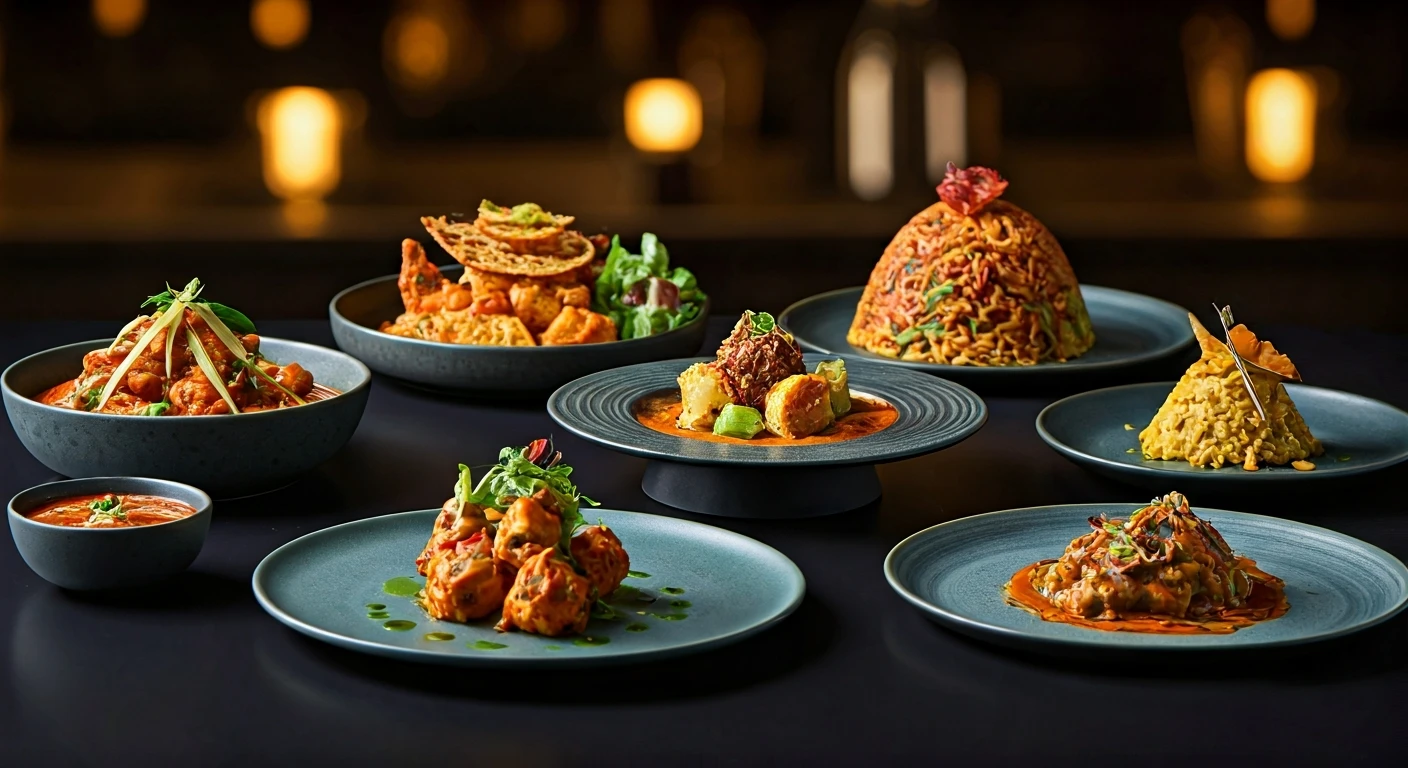
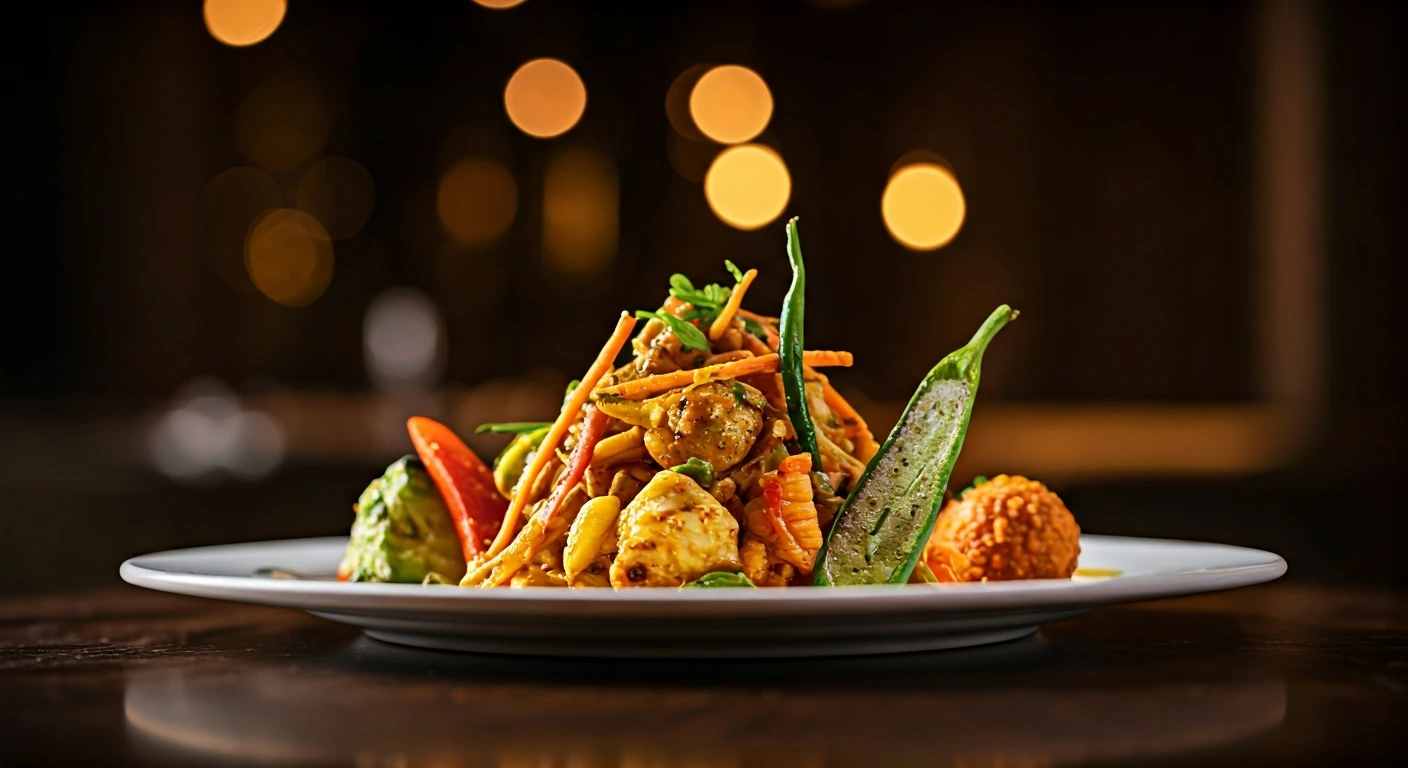
undeniably delicious, this narrow view overshadowed the subcontinent’s staggering culinary diversity. India is not a country with a single cuisine; it’s a continent of cuisines, with flavors, techniques, and ingredients that change every hundred miles. Now, a new generation of chefs is leading a movement away from this monolithic idea. They aren’t just cooking; they are acting as culinary archivists and innovators. The new “serious” Indian restaurant isn’t about importing French techniques or luxury ingredients like foie gras. Instead, it’s about looking inward, exploring the nation’s vast larder, and telling a story about a specific place, memory, or community through food.
The New Guard and Their Philosophy
This shift didn’t happen overnight. Restaurants like Indian Accent in New Delhi, which opened in 2009, laid the groundwork by playfully reinterpreting nostalgic Indian flavors with modern global techniques. But today’s vanguard is taking it a step further. Take Masque in Mumbai, a regular on Asia’s 50 Best Restaurants list. Co-founded by Chef Prateek Sadhu and now led by Chef Varun Totlani, the restaurant’s entire ethos is built on celebrating the bounty of the Himalayas. They forage for ingredients like sea buckthorn and fiddlehead ferns, creating tasting menus that are a journey through the region’s terroir. Similarly, chefs are digging into hyper-regional cuisines that rarely, if ever, made it to a restaurant menu. They’re exploring the wood-fired flavors of Uttarakhand, the tribal cooking of Nagaland, and the delicate seafood preparations of the Malabar Coast. The goal is authenticity, not of a single famous dish, but of the philosophy behind a region's way of eating.
From Farm and Forest to Table
At the heart of this movement is a profound respect for ingredients. The world’s best restaurants, from Copenhagen’s Noma to California’s The French Laundry, have long been defined by their obsessive focus on sourcing. Indian chefs are now applying that same rigor to their own backyards. This involves building direct relationships with farmers to revive heirloom grains, working with foragers to find wild mushrooms and herbs, and championing local cheesemakers and fishermen. This isn't just a gimmick; it’s a radical rethinking of the supply chain. For diners, it means tasting ingredients they’ve never heard of, even if they’re from India. A dish might feature *gondhoraj lebu*, a fragrant lime from Bengal, or *bhoot jolokia*, one of the world's hottest chilies from the Northeast, used not for shock value but for its unique fruity notes. The menu becomes a map of India’s biodiversity, offering a taste of place that is both surprising and deeply rooted.
Global Acclaim Meets Local Pride
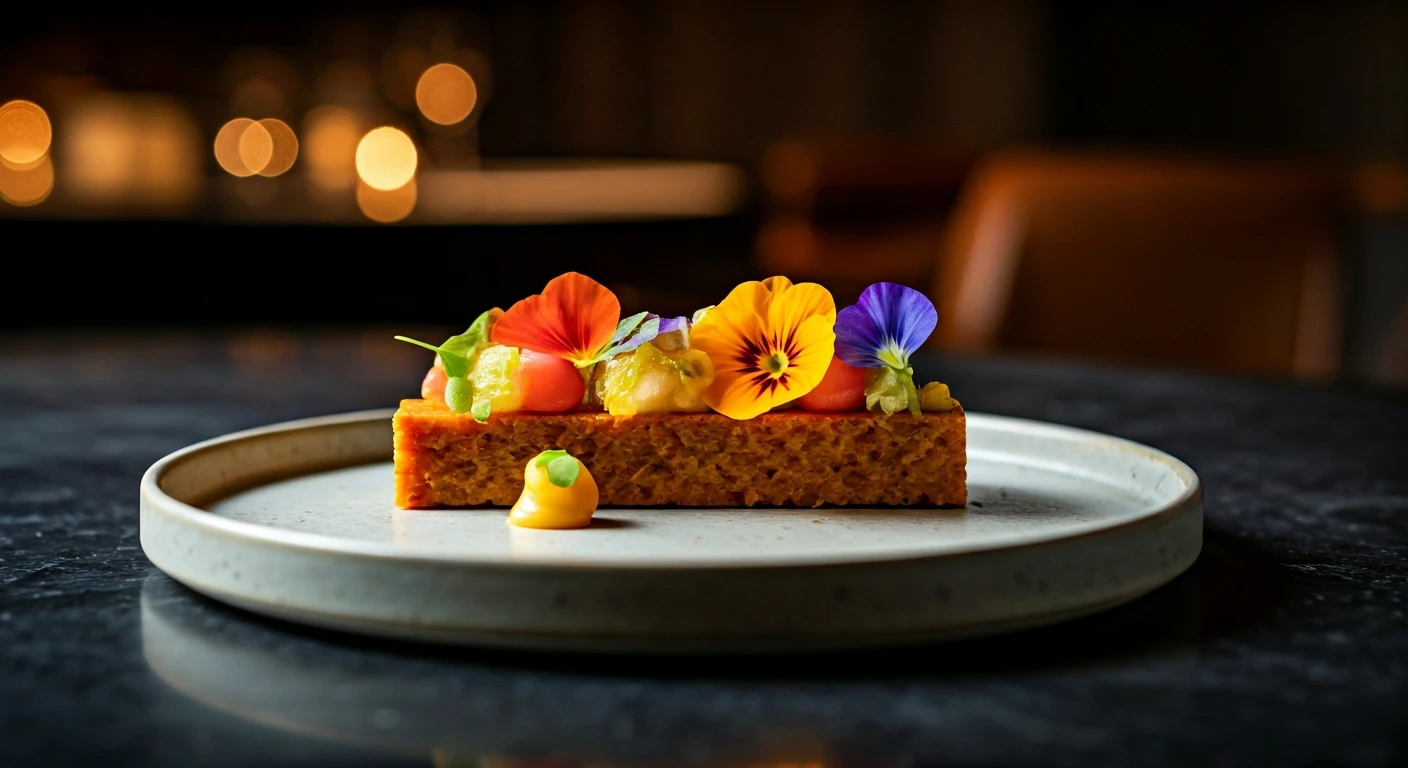
The world is taking notice. The arrival of the Michelin Guide in India and the consistent presence of Indian restaurants on global awards lists signal a new level of international respect. In 2023, two Indian restaurants—Avatara in Dubai and Gaggan Anand in Bangkok (both led by Indian chefs with distinctly Indian concepts)—received two Michelin stars. More importantly, this recognition is happening on India’s own terms. These chefs aren’t just chasing stars by copying Western fine-dining templates. They are creating a new grammar for modern Indian food, one that is confident, creative, and unapologetically Indian. The experience might involve a dozen courses, intricate plating, and a world-class wine list, but the soul of the food remains connected to the land and its history. It's a seriousness born not of formality, but of deep intention and cultural pride.