


Rethinking 'Indian Food'
The disconnect often starts with our points of reference. The Indian food most common in the U.S. is rooted in North Indian and Mughlai traditions, known for their luxurious, celebration-worthy dishes. Think creamy chicken tikka masala, rich kormas, and pillowy
naan made from refined flour. While undeniably delicious, this is the equivalent of thinking all American food is Thanksgiving dinner—a special occasion, not the daily reality. In millions of Indian homes, everyday meals are a different world. They are lighter, built around the seasons, and prioritize a synergy of ingredients that is deeply satisfying without being heavy. The secret ingredient holding it all together isn't cream or ghee, but something far more fundamental: fiber. This fiber-forward approach is the key to understanding why a traditional Indian meal can leave you feeling energized and nourished, not weighed down.
The Power of Dal
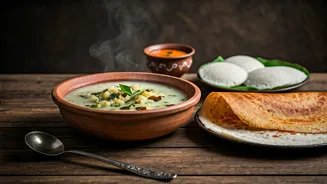
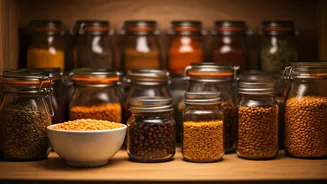
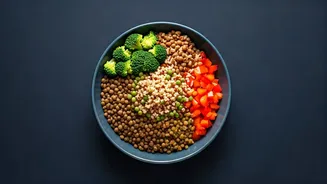
At the center of this balanced plate is dal. While often translated as 'lentil soup,' that description barely scratches the surface. Dal is the foundational protein and fiber source of the subcontinent, a daily staple made from an incredible variety of dried legumes, lentils, and beans—from tiny yellow moong dal to hearty black lentils (urad dal). Simmered with turmeric, ginger, garlic, and other spices, a bowl of dal delivers a powerful one-two punch of plant-based protein and both soluble and insoluble fiber. This combination is crucial. It slows digestion, which promotes a feeling of fullness (satiety) and helps stabilize blood sugar levels, preventing the energy crashes associated with refined carbs. Furthermore, it's a powerhouse for gut health, feeding the microbiome. A simple meal of dal and rice is considered 'soul food' for a reason; it's nutritionally complete and deeply comforting.
Not Just Naan
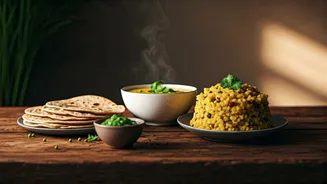
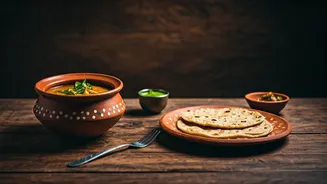
Another major shift in perspective is moving beyond naan. While a beloved restaurant treat, the everyday bread of India is the humble, whole-grain flatbread. Roti (also called chapati or phulka) is made from finely milled whole wheat flour (atta) and water, cooked on a dry griddle. It's light, pliable, and packed with the fiber and nutrients from the entire wheat kernel. Beyond wheat, there's a growing resurgence of traditional millets, which are naturally gluten-free and boast incredible nutritional profiles. Breads made from jowar (sorghum), bajra (pearl millet), and ragi (finger millet) offer earthy, complex flavors and even more fiber and micronutrients. Swapping a refined-flour bread for a whole-grain roti or millet-based flatbread is a simple change that dramatically alters the nutritional calculus of a meal, contributing to that long-lasting, balanced energy.
When Vegetables Are the Main Event
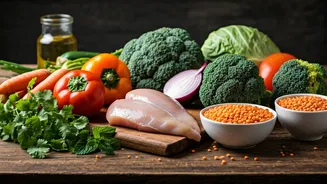
In the standard American meal structure, vegetables are often a side dish—a small, sometimes obligatory, portion next to a large protein. In traditional Indian cooking, the opposite is often true. A 'sabzi' (a dry or semi-dry vegetable dish) is frequently the star of the meal. The sheer variety is staggering, utilizing everything from leafy greens and cruciferous staples like cauliflower to a range of gourds, squashes, and beans that are rarely seen in Western supermarkets. These vegetables are typically cooked quickly with a 'tadka'—spices bloomed in hot oil—which enhances their flavor without drowning them in heavy sauces. This preparation preserves their texture, nutrients, and, most importantly, their fiber content. A meal might feature two or three different sabzis, creating a feast of flavors, textures, and a wide array of vitamins and fibrous goodness.
The Thali Philosophy of Balance
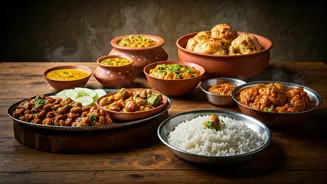
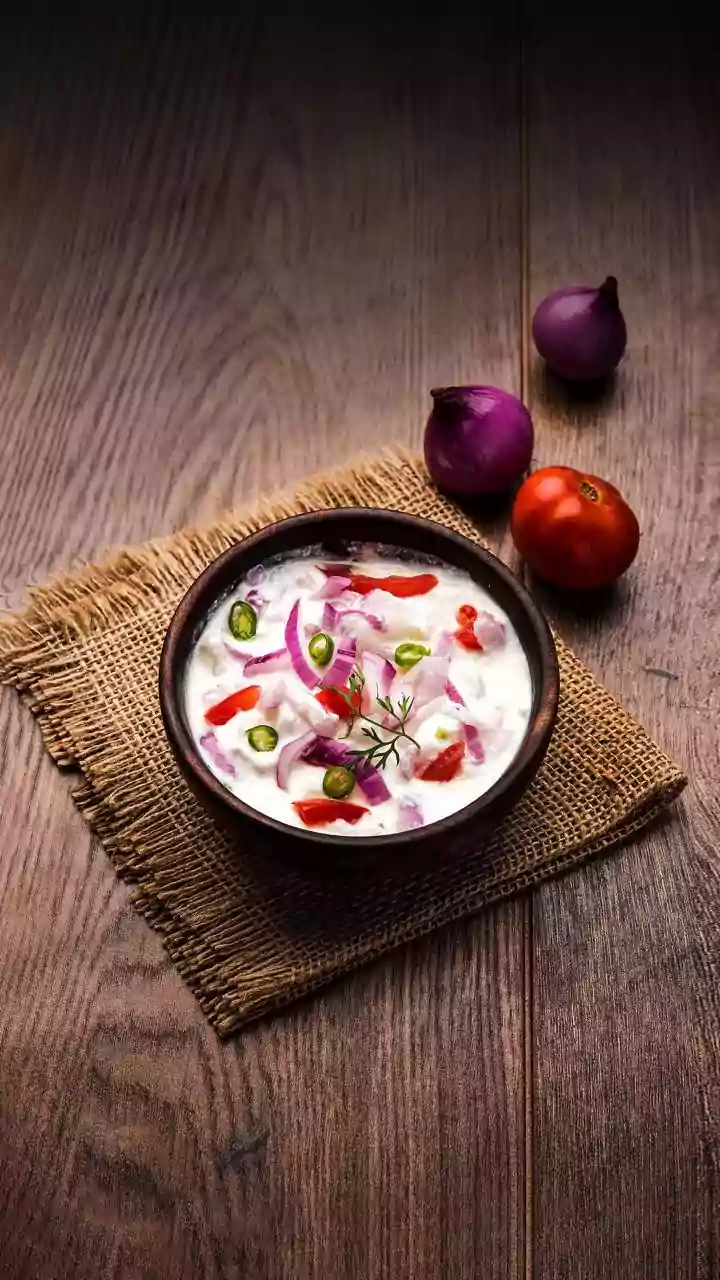
The ultimate expression of this philosophy is the thali: a platter holding a collection of small bowls, each with a different component of the meal. A typical thali isn't a random assortment; it's a masterclass in nutritional balance. You'll find a small portion of rice or a roti (complex carbs), a bowl of dal (protein and fiber), one or two different sabzis (vitamins and more fiber), a small serving of plain yogurt (probiotics and fat), and perhaps a sliver of pickle for a pop of flavor and digestive aid. This isn't about calorie counting but about natural portion control and nutritional completeness. You get a little bit of everything your body needs, in harmony. This is the 'balanced' feeling the headline speaks of. It’s a holistic sense of well-being that comes from a meal designed for nourishment from the ground up, proving that satisfying, flavorful food can also be the very thing that makes you feel your best.