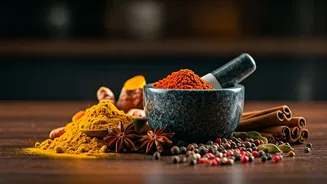





From Flavor-Bomb to Functional Food
For generations, the primary job of spices in the American kitchen was to provide flavor, color, and aroma. A dash of paprika for deviled eggs, a sprinkle of cinnamon on toast. But a major shift is underway. Driven by the booming 'food as medicine' movement
and a growing public interest in preventative health, spices are being recognized for what many global traditions have known for centuries: they are powerful functional ingredients packed with bioactive compounds. Consumers are no longer just asking, 'Does it taste good?' They're also asking, 'What does it do for me?' This has propelled ingredients like turmeric, ginger, and cayenne from culinary supporting roles to wellness headliners, appearing in everything from morning smoothies to post-workout supplements.
The Science Behind the Spice
So, what’s behind the buzz? It comes down to phytochemistry. Many bold spices are loaded with compounds that can have tangible effects on the body. A key concept here is inflammation. While acute inflammation is a healthy immune response, chronic inflammation is linked to a host of modern health issues. Many spices contain potent anti-inflammatory agents that can help manage this process. They are also often rich in antioxidants—molecules that fight oxidative stress by neutralizing unstable free radicals in the body, protecting cells from damage. While no single spice is a silver bullet, incorporating a variety of them into a balanced diet is increasingly seen as a simple, effective strategy for supporting overall wellness. The best part? Unlike a prescription, this medicine tastes delicious.
Turmeric: The Golden Child
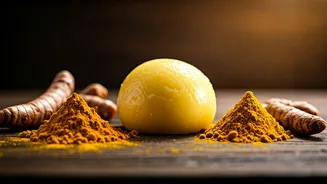
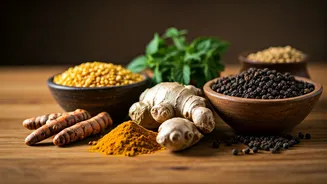
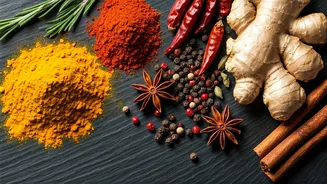
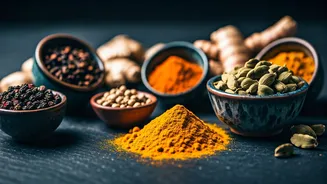
If there’s one spice leading the charge, it’s turmeric. This vibrant yellow powder, a staple in South Asian cuisine, contains a powerful compound called curcumin. Studies suggest curcumin is a formidable anti-inflammatory, with some research indicating it may be as effective as certain over-the-counter drugs, but without the side effects. It’s also a potent antioxidant. To boost its effectiveness, it’s best paired with black pepper, which contains piperine, a substance that dramatically increases curcumin's absorption. Look for it in golden milk lattes, add it to rice or roasted vegetables, or blend it into a smoothie for a wellness kick that’s hard to miss.
Ginger: The Stomach Soother
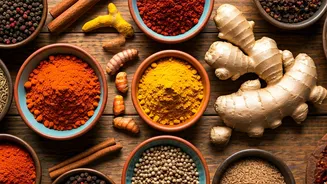
A close cousin of turmeric, ginger has been a go-to remedy for digestive woes for millennia. Its primary bioactive compound, gingerol, is responsible for much of its medicinal power. It’s famously effective at quelling nausea, whether from motion sickness, morning sickness, or chemotherapy. Beyond its anti-nausea effects, ginger is also a powerful anti-inflammatory and antioxidant. It can help soothe sore muscles after a workout and ease digestive discomfort. Fresh ginger is easy to add to stir-fries and teas, while powdered ginger is perfect for baking or spicing up a marinade. It provides a warm, pungent flavor that works in both sweet and savory dishes.
Cayenne: Bringing the Metabolic Heat
For those who like it hot, cayenne pepper offers more than just a fiery kick. Its active ingredient, capsaicin, is the star of the show. Capsaicin is a thermogenic, meaning it can slightly increase your body’s core temperature, leading to a temporary boost in metabolism and calorie burning. It’s also been studied for its potential to reduce appetite and act as a pain reliever when used topically. While a sprinkle of cayenne in your chili won’t single-handedly cause weight loss, incorporating it into your diet can support your metabolic health. Try adding a pinch to your morning lemon water, hot chocolate, or even on top of avocado toast for a surprising and invigorating start to your day.
Cinnamon: The Sweet Stabilizer
Often associated with sweet treats, cinnamon is a surprisingly powerful wellness tool. It’s packed with antioxidants, outranking many other so-called 'superfoods.' But its most celebrated potential benefit lies in its ability to help regulate blood sugar levels. Some studies suggest cinnamon can improve insulin sensitivity, which is crucial for maintaining stable energy and preventing the crashes that come from blood sugar spikes. There are two main types: Cassia (the common, spicier variety) and Ceylon ('true' cinnamon, which is milder and sweeter). While both have benefits, Ceylon is often preferred for regular, heavy use. It's a perfect addition to oatmeal, coffee, yogurt, and savory dishes like stews and tagines.