




First, What Is a Rangoli?
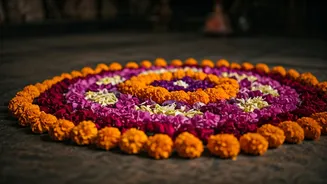
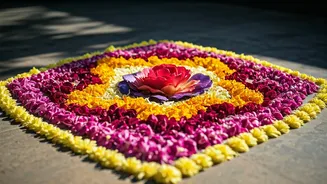
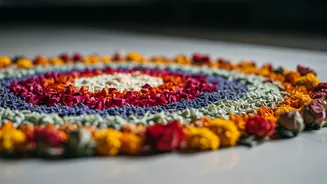
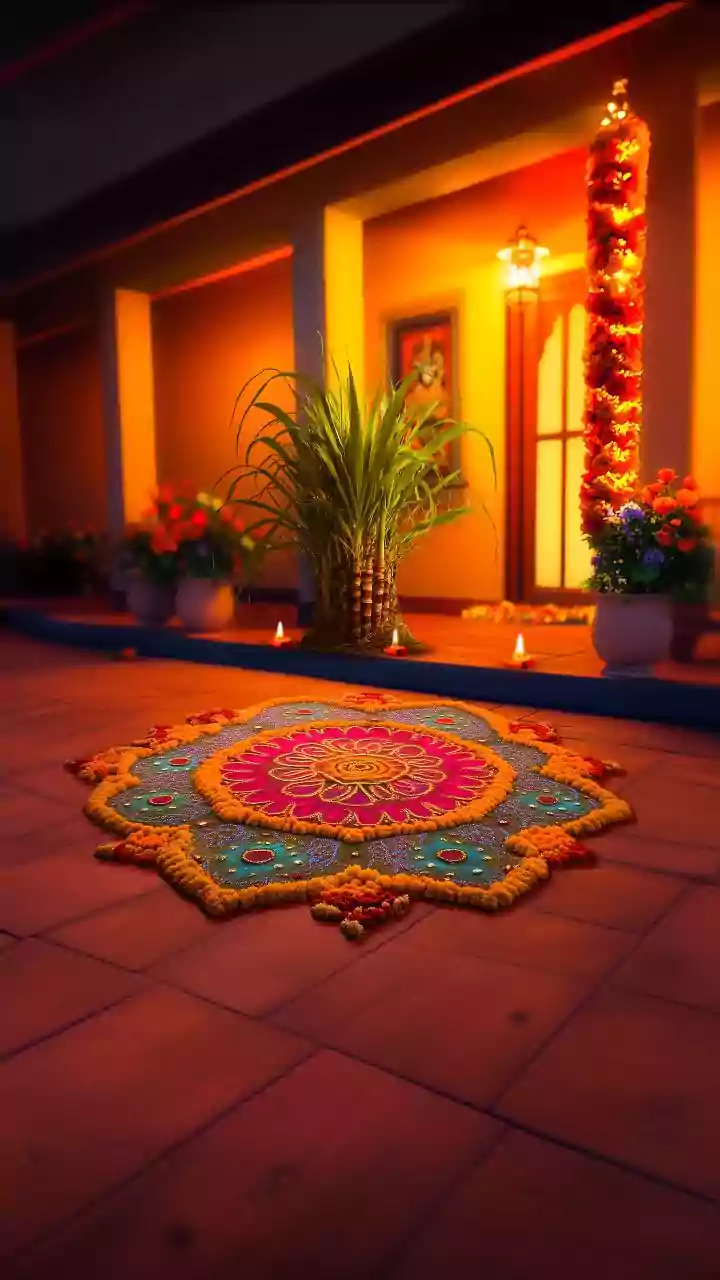
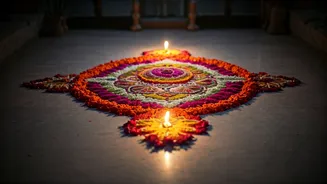
Before diving into the trend, it’s helpful to understand its roots. Rangoli is a vibrant and ancient art form from India, traditionally created on the ground in courtyards or entryways during festivals like Diwali. The purpose is to serve as a sacred
welcoming area for deities and to bring good luck and prosperity. Artists use materials like colored rice flour, chalk, sand, and even fresh flower petals to create intricate geometric patterns, mandalas, and symbolic designs. It's an ephemeral art, meant to be swept away and remade, symbolizing the impermanence of life and the cyclical nature of creation.
A Modern, Sustainable Twist
The trend you’re seeing online adapts this beautiful tradition with a focus on sustainability and a natural, rustic aesthetic. Instead of brightly colored powders or fresh-cut blooms, this version uses dried local flowers, fallen leaves, seed pods, twigs, and other foraged botanicals. This shift aligns perfectly with contemporary values like eco-consciousness, the slow-living movement, and a desire to connect with the seasons. The muted, earthy tones of dried materials offer a different kind of beauty—one that feels serene, timeless, and deeply connected to the surrounding landscape. It transforms the practice from a festive ritual into a year-round meditative craft.
Gathering Your Floral Palette
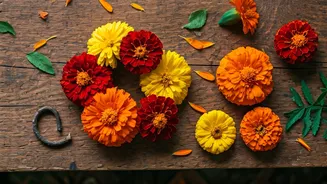
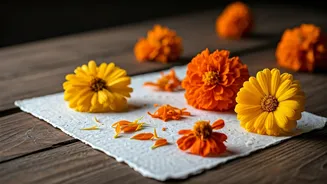
Part of the magic of a dried floral rangoli is the process of collecting your materials. It encourages you to pay closer attention to the natural world right outside your door. Start by looking for elements with interesting textures, shapes, and colors. Think small, delicate petals from faded hydrangeas, crinkly autumn leaves in shades of ochre and rust, wispy grasses, and sculptural seed pods. Pinecones, acorns, small pebbles, and even spices from your pantry like star anise or cloves can add depth and fragrance. You can press flowers from your garden or simply gather what has already fallen. The goal isn't perfection; it's to build a palette that reflects your local environment and the current season.
Designing Your Masterpiece
Creating a rangoli is an exercise in mindfulness. You don’t need to be a professional artist to make something beautiful. Find a clear, flat space for your creation—a tabletop, a large tray, or a section of your floor. Start with a simple framework. A circle is a classic and forgiving shape. You can use a piece of string tied to a pin to draw a faint guideline. Begin your design from the center and work your way outward. Create rings of different materials, alternating colors and textures. You might make a central starburst of twigs, followed by a ring of delicate petals, then a border of dark leaves. Let the design evolve organically. The symmetry is part of the appeal, but don't be afraid of a more free-form, abstract look that celebrates the wildness of nature.
Enjoying Its Impermanence
Unlike a painting, a floral rangoli is not meant to last forever. Because it's made of dry, delicate materials, it's best suited for an indoor space away from heavy foot traffic or drafts. It might last for a few days or a week before it begins to look tired. And that’s the point. The beauty lies in its fleeting nature. When you're ready, you can simply sweep the materials up and return them to your compost or garden, completing the natural cycle. The creative act itself—the quiet focus, the connection to nature, the temporary beauty—is the real reward.