







From Medical Device to Status Symbol
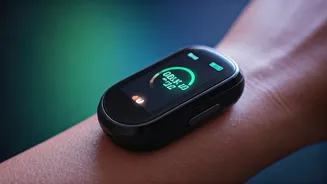
Imagine a fitness tracker, but for the inside of your body. That’s the appeal of Continuous Glucose Monitors (CGMs), devices that track your blood sugar levels in real time. Traditionally, these have been life-changing tools for people with diabetes.
But in India, a new wave of tech startups has successfully rebranded them as must-have gadgets for the wellness-obsessed, non-diabetic individual. Companies like Ultrahuman and HealthifyMe are at the forefront, packaging sleek sensors with sophisticated apps. They’ve transformed the CGM from a clinical necessity into an aspirational lifestyle product, akin to a high-end smartwatch or boutique gym membership. For a growing slice of Indian Gen Z and millennials, wearing a CGM is a public declaration that you’re serious about 'bio-hacking' your way to peak performance.
The Promise of 'Bio-Hacking'
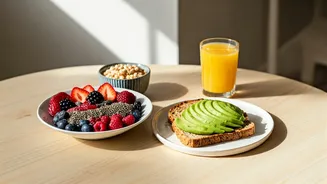
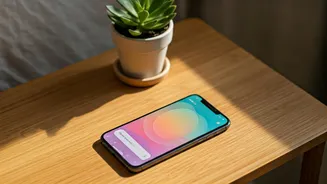
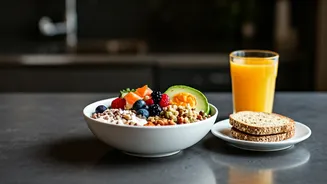
So, what’s the actual draw for someone without a medical need? The allure is data-driven self-improvement. The core promise is that by seeing how your body reacts to every meal—that slice of mango, the post-work samosa, the morning coffee—you can make smarter choices. The app provides a 'metabolic score' and nudges users toward foods that cause a smaller glucose spike, which is theoretically linked to better energy levels, reduced inflammation, and long-term health. It gamifies eating. Suddenly, your diet is no longer about vague advice to 'eat healthy'; it's a personalized experiment with instant feedback. This taps directly into the Gen Z desire for personalization, efficiency, and control. It’s the ultimate life-hack: optimizing your body from the inside out, one data point at a time.
The Influencer Effect
In a market as socially driven as India, a trend doesn't take off without the right people behind it. The rise of the lifestyle CGM has been fueled by a masterful marketing playbook targeting the country's tech-savvy and globally connected youth. Tech CEOs, venture capitalists, and A-list Bollywood celebrities have been spotted with the tell-tale circular patch on their arm. Fitness influencers and wellness gurus fill Instagram and YouTube with content deconstructing their 'glucose-friendly' meals and showcasing their impressive metabolic scores. This powerful social proof creates a potent mix of aspiration and FOMO (fear of missing out). When your favorite creator or celebrity is optimizing their glucose, it frames the practice not as niche or medical, but as the next evolution in personal wellness.
A New Kind of Health Anxiety?
While the bio-hacking community celebrates this new frontier, the medical establishment is urging caution. Many doctors in India and abroad are concerned about the implications of healthy individuals obsessively tracking their glucose. For one, normal glucose fluctuations after meals are, well, normal. Interpreting these spikes as 'bad' without medical context can create unnecessary fear and anxiety around food. Critics worry this hyper-vigilance could fuel orthorexia, an obsession with 'correct' eating. Furthermore, there's limited scientific consensus that micromanaging glucose levels in a non-diabetic person leads to significant long-term health benefits. The worry is that these expensive devices may be selling a solution to a problem that, for many of their users, doesn't actually exist—all while creating a new set of anxieties to manage.