







Why Your Kitchen Scraps Are Gold
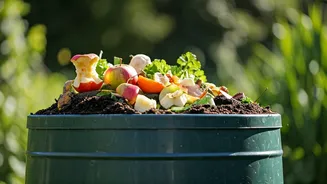
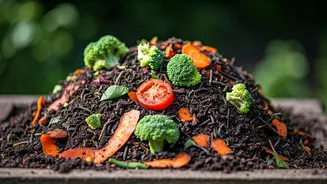
Before you even think about buying a fancy bin or special activators, look at the waste you’re already producing. Used tea leaves, coffee grounds, and wilted lettuce are what composters call “greens.” These materials are rich in nitrogen, a crucial element
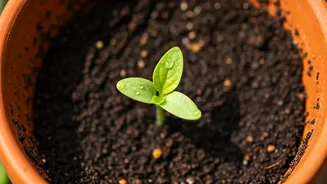
that fuels the microscopic organisms responsible for breaking down organic matter. Think of nitrogen as the engine of your compost pile. When these microorganisms get to work, they generate heat, which speeds up decomposition and transforms your scraps into a dark, crumbly, nutrient-dense soil amendment often called “black gold.” By starting with materials you already have, you’re not only reducing landfill waste but also kickstarting a powerful natural process with zero extra cost.
The Golden Ratio: Balancing Greens and Browns
Composting isn’t just about piling up food waste; it’s about creating a balanced diet for those helpful microbes. In addition to nitrogen-rich “greens,” your pile needs carbon-rich “browns.” Browns are dry, woody materials like torn-up cardboard, shredded newspaper, dried leaves, or wood shavings. Carbon provides the energy source for the decomposers and prevents your pile from becoming a slimy, smelly mess. The magic is in the ratio. A good rule of thumb for a healthy, odor-free compost pile is to aim for roughly two to three parts browns for every one part greens. So, for every container of tea leaves, coffee grounds, and vegetable peels you add, toss in two or three similar-sized containers of shredded cardboard or dry leaves. This balance ensures proper aeration and prevents the pile from becoming waterlogged and anaerobic (which is what causes bad smells).
Beware the Plastic in Your Tea Bag
Here's one critical detail for tea drinkers: not all tea bags are created equal. While the tea leaves themselves are a fantastic compost ingredient, many conventional tea bags are sealed with a small amount of heat-resistant polypropylene plastic. This plastic will not break down in your compost pile, leaving you with a persistent synthetic mesh. To avoid contaminating your compost, you have a few options. The easiest is to use loose-leaf tea and a reusable steeper. Alternatively, look for brands that explicitly state their bags are plastic-free and fully compostable, often made from paper and sealed with cotton string or a fold. If you’re unsure, the safest bet is to tear open the used bag, dump the leaves into your compost container, and throw the bag itself in the trash.
Your First Simple Setup
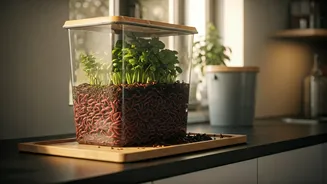
You don’t need an expensive, complicated system to get started. Composting can be as simple as an open pile in a corner of your yard or as contained as a small bin on your patio. For a low-maintenance start, consider a simple compost tumbler, which allows you to easily mix and aerate the contents by turning a crank. If you have more space, you can build a simple enclosure with wood pallets or wire mesh. Even a large, sturdy trash can with holes drilled in the sides and bottom for aeration can work. The key components are air and moisture. Your pile should be about as damp as a wrung-out sponge—not soaking wet, not bone dry. Turn it with a pitchfork or shovel every week or two (or spin your tumbler) to mix everything together and introduce oxygen, which keeps the process humming along.
What Else Can You Add (And What to Avoid)
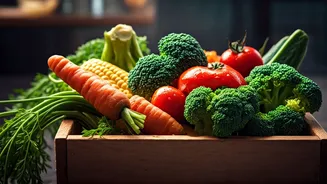
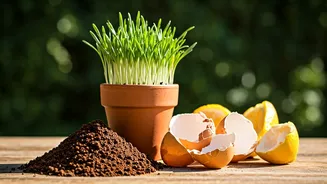
Your tea leaves and coffee grounds are the perfect start, but they’ll be happy to have company. Other fantastic “greens” to add from your kitchen include fruit and vegetable trimmings, crushed eggshells (a great source of calcium), and old bread. Just remember your ratio and add a corresponding amount of “browns” each time you add fresh scraps. However, what you leave out is just as important. To avoid attracting pests and creating foul odors, never add meat, fish, bones, dairy products, or oily/greasy foods to your home compost pile. These items break down slowly and are magnets for rodents and other unwanted visitors. Stick to plant-based materials and eggshells, and your compost pile will be a productive, hassle-free operation.