






Beyond the Black-and-White Page
For decades, the hiring process has revolved around a simple formula: a job description, a text-based resume, and a cover letter. But a growing cohort of Gen Z candidates—those born between 1997 and 2012—is challenging this norm. They aren’t just adding
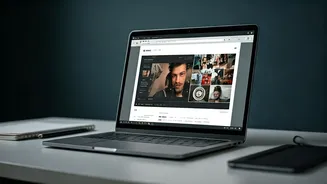
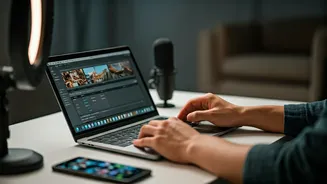
a headshot to their LinkedIn profile; they are fundamentally shifting the application from a written document to a multimedia presentation. This visual-first approach treats the job application less like a formal record and more like a personal pitch. It's about showing, not just telling. Instead of listing 'strong communication skills,' they might submit a short video introduction where those skills are on full display. Instead of describing a 'creative project,' they share a link to a polished digital portfolio.
The Drive for Authenticity and Connection
This shift isn't just about aesthetics; it's rooted in Gen Z's core values. As the first generation of true digital natives, they are fluent in the language of visual media. They grew up on YouTube, Instagram, and TikTok, where personality, storytelling, and visual appeal are currency. The sterile, impersonal nature of applying for jobs through online portals—often described as shouting into a void—feels completely disconnected from their lived experience. By creating a video resume or a visually engaging portfolio on a platform like Canva, they are attempting to cut through the noise and establish a more human connection. It's a way to showcase their personality and 'vibe,' which they see as just as important as the bullet points on a resume. For them, work is an extension of identity, and they want to be hired for who they are, not just what a piece of paper says they’ve done.
The New Visual Toolkit
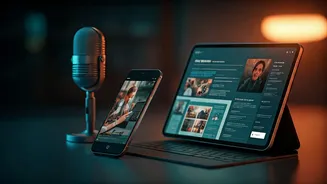
What does a 'visual' application actually look like? The toolkit is diverse and constantly evolving. Short video introductions, often one to two minutes long, are becoming a popular supplement to traditional applications. Some candidates are going further, creating 'TikTok resumes' that use the platform's trends and editing style to present their skills in a uniquely engaging format. In 2021, TikTok even piloted a program called TikTok Resumes, partnering with companies to allow users to apply for jobs directly through the app. Beyond video, highly designed resumes created with tools like Canva are replacing bland Word documents. For creative, marketing, and design roles, a link to a personal website or a rich digital portfolio (hosted on sites like Behance or a personal domain) is no longer a bonus but a baseline expectation. The goal is to provide a rich, interactive experience that gives a fuller picture of their capabilities.
A Challenge for Employers
While this trend empowers candidates, it presents a complex challenge for employers. On one hand, visual applications offer a richer, more holistic view of a person. Recruiters can gauge soft skills like confidence, communication style, and creativity in ways a PDF never could. It helps identify candidates who are digitally savvy and adept at personal branding. On the other hand, it throws a wrench into standardized, 'fair' hiring practices. How do you objectively compare a slickly produced video against a traditional resume? More critically, visual elements open the door to unconscious bias related to a candidate’s appearance, accent, or home environment. For large companies that receive thousands of applications, the time and resources required to review multimedia submissions can be prohibitive. This has led many organizations to stick to their applicant tracking systems (ATS), which are built to parse text, not analyze videos, creating a frustrating disconnect for visually-minded applicants.